
Uganda is widely celebrated for its mountain gorillas, chimpanzees, tree-climbing lions, and spectacular birdlife, but one remarkable wildlife experience is often overlooked by first-time visitors. Rhino tracking Ziwa offers travelers the unique opportunity to encounter southern white rhinos on foot in their natural habitat while contributing directly to one of Africa’s greatest conservation success stories. Located approximately 176 kilometers north of Kampala along the route to Murchison Falls National Park, Ziwa Rhino Sanctuary has become an essential stop on Uganda safari itineraries.
Unlike traditional game drives where wildlife is observed from a vehicle, visitors at Ziwa Rhino Sanctuary leave the safari vehicle behind and walk alongside experienced rangers in search of rhinos grazing across the expansive sanctuary. The thrill of approaching these massive animals on foot creates an unforgettable connection with nature that few safari experiences can match.
The sanctuary also represents hope for rhino conservation in Uganda. Following decades of poaching that wiped out the country’s wild rhino population, Ziwa Rhino Sanctuary has successfully reintroduced and protected rhinos, laying the foundation for their eventual return to Uganda’s national parks. Every visitor who participates in rhino tracking contributes to this important conservation mission.
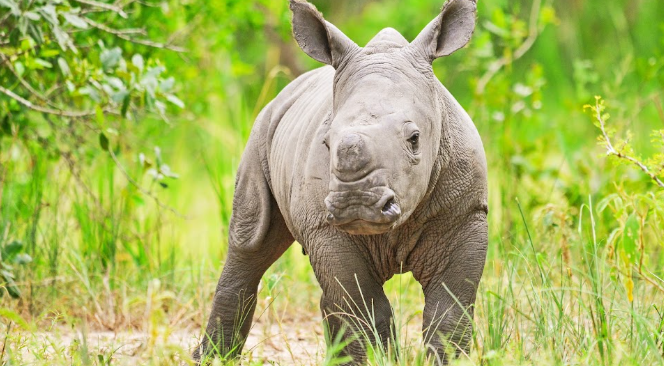
Rhino tracking Ziwa differs significantly from traditional wildlife viewing. Instead of remaining inside a safari vehicle, guests venture into the bush with professional ranger guides who monitor the rhinos daily. The experience feels far more personal because visitors observe the animals from ground level while learning about their behavior, feeding habits, and conservation.
Walking through open grasslands heightens every sense. Fresh footprints, broken vegetation, and dung piles become clues that indicate the rhinos are nearby. Rangers interpret these signs while ensuring visitors remain safe throughout the excursion.
The southern white rhinos at Ziwa have become accustomed to the presence of trained guides, allowing carefully managed encounters that maintain safe distances while offering exceptional photographic opportunities. Watching a rhino peacefully grazing only a short distance away creates an appreciation for the immense size, strength, and gentle nature of these endangered giants.
The experience is equally educational. Visitors gain a deeper understanding of why rhinos disappeared from Uganda, the ongoing threats of poaching, and the extraordinary efforts required to rebuild their population.
The story behind rhino tracking Ziwa is one of determination and conservation success. Uganda once supported thriving populations of both black and northern white rhinos. They roamed protected areas including Murchison Falls National Park and Kidepo Valley National Park for generations.
Unfortunately, civil unrest, habitat destruction, and rampant poaching during the 1970s and 1980s devastated the country’s wildlife. Rhinos became prime targets because of the high international demand for their horns. By the early 1980s, Uganda’s rhinos had become extinct in the wild.
Recognizing the importance of restoring this iconic species, conservation organizations, government agencies, and private partners established Ziwa Rhino Sanctuary in 2005. The sanctuary was specifically created as a secure breeding area where rhinos could live under constant protection.
Beginning with only a handful of founder animals, the sanctuary’s rhino population has steadily increased through successful breeding and intensive management. Today, the growing population demonstrates that carefully planned conservation initiatives can reverse decades of wildlife decline.
Every successful birth represents another step toward the long-term goal of reintroducing rhinos into Uganda’s national parks.
The conservation work at Ziwa Rhino Sanctuary extends far beyond protecting rhinos alone. The sanctuary has become a model for wildlife restoration by combining scientific management, community involvement, environmental education, and sustainable tourism.
Highly trained rangers patrol the sanctuary around the clock to ensure the rhinos remain protected from poaching threats. Veterinary teams monitor the animals’ health while conservation experts maintain detailed breeding records to ensure genetic diversity within the growing population.
The sanctuary also works closely with surrounding communities by creating employment opportunities and encouraging local participation in conservation. Tourism revenue supports ranger salaries, infrastructure development, environmental education programs, habitat restoration, and wildlife monitoring.
Visitors participating in rhino tracking Ziwa therefore become active contributors to Uganda’s wildlife conservation efforts. Their entrance fees directly help sustain the sanctuary’s operations and ensure continued protection of these magnificent animals.
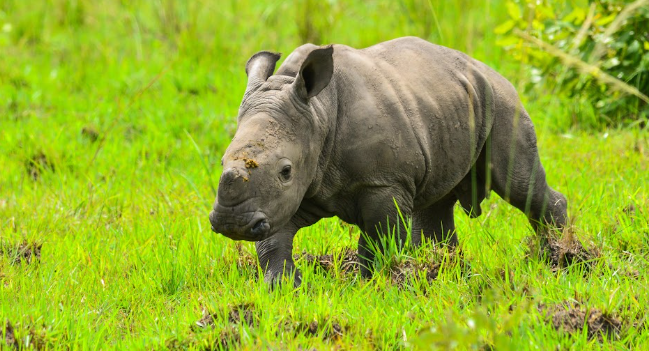
The adventure typically begins with a briefing at the visitor center where guides explain safety procedures and provide background information about the sanctuary’s rhinos. Guests learn how to behave around the animals and what to expect during the walk.
After the briefing, visitors drive a short distance to the approximate location of the rhinos before continuing on foot with experienced ranger guides. Since each rhino group moves freely across the sanctuary, no two tracking experiences are exactly alike.
The walk itself is generally gentle and suitable for most visitors with moderate fitness. Rangers constantly assess wind direction, terrain, and the rhinos’ behavior to ensure safe viewing conditions.
As the group approaches, the first glimpse of a grazing rhino often leaves visitors speechless. These enormous mammals can weigh well over two tons, yet they spend much of their day peacefully feeding on grass. Observing their interactions, movements, and personalities at close range offers a perspective impossible to achieve from inside a vehicle.
Guides share fascinating information about each rhino’s age, family relationships, behavior, feeding habits, and conservation history, transforming the experience into an engaging wildlife lesson.
Rhino tracking Ziwa can be enjoyed throughout the year because the sanctuary remains open in every season. However, Uganda’s dry months generally provide the most comfortable conditions for walking.
Between December and February, as well as June through September, trails remain relatively dry, vegetation is shorter, and walking conditions are easier. These months often provide excellent visibility for photography.
The rainy seasons transform the sanctuary into a lush green landscape. Although trails may become muddy, the scenery is exceptionally beautiful and wildlife remains active. Rhinos continue grazing regardless of the season, making successful sightings highly likely throughout the year.
Morning excursions are particularly popular because temperatures are cooler and the rhinos are often actively feeding before the heat of the day intensifies.
Although rhinos are the sanctuary’s main attraction, Ziwa offers far more than a single-species experience. The protected habitat supports a remarkable diversity of wildlife that enhances every visit.
Numerous antelope species roam the grasslands alongside bushbucks, Uganda kob, waterbucks, and oribis. Warthogs frequently forage across the open plains, while monkeys inhabit the woodland sections of the sanctuary.
Bird enthusiasts are especially rewarded, as Ziwa has become one of Uganda’s premier birdwatching destinations. Hundreds of bird species inhabit the wetlands, forests, and savannah ecosystems. The sanctuary is particularly famous for offering opportunities to see the elusive shoebill stork during guided swamp walks, making it an attractive destination for both wildlife photographers and dedicated birders.
The diversity of habitats means every visit presents different wildlife encounters beyond the rhinos themselves.
One of the greatest advantages of rhino tracking Ziwa is its strategic location along the main highway connecting Kampala with Murchison Falls National Park. This makes the sanctuary an ideal addition to nearly every northern Uganda safari itinerary.
Many travelers depart Kampala early in the morning, enjoy rhino tracking at Ziwa, and continue to Murchison Falls National Park later the same day. This convenient routing maximizes wildlife experiences without requiring major detours.
Combining these destinations creates an incredible safari circuit where visitors experience rhinos on foot before encountering elephants, lions, giraffes, buffaloes, hippos, crocodiles, and numerous antelope species during traditional game drives and boat cruises in Murchison Falls National Park.
Many tour operators also combine Ziwa with chimpanzee tracking in Budongo Forest or gorilla trekking in Bwindi Impenetrable National Park, allowing travelers to observe Uganda’s famous primates alongside the country’s only wild rhinos.
Rhino tracking Ziwa offers outstanding opportunities for wildlife photography because visitors observe the animals from ground level rather than through vehicle windows. This perspective often results in more intimate and dramatic images.
Soft morning light creates excellent photographic conditions by enhancing detail while avoiding harsh midday shadows. A telephoto lens is useful for close-up portraits, although wider lenses also perform well because viewing distances are often surprisingly close.
Patience is one of the greatest assets for wildlife photography. Rhinos frequently pause while grazing, creating opportunities to capture relaxed natural behavior. Photographers should always follow ranger instructions regarding positioning and maintain the recommended viewing distance to ensure both visitor safety and animal welfare.
Respecting the rhinos and minimizing disturbance ultimately leads to more authentic wildlife photographs.
Modern travelers increasingly seek experiences that benefit wildlife conservation while supporting local communities. Rhino tracking Ziwa perfectly reflects these principles.
Tourism revenue helps finance anti-poaching patrols, veterinary care, habitat management, research initiatives, ranger training, and community outreach. By choosing to visit the sanctuary, travelers actively contribute to the protection and growth of Uganda’s rhino population.
The sanctuary also demonstrates how conservation can generate long-term economic opportunities. Employment for guides, rangers, hospitality staff, maintenance workers, and local suppliers ensures that surrounding communities benefit directly from wildlife protection, creating strong incentives to preserve natural resources.
This balance between tourism, conservation, and community development makes Ziwa one of Uganda’s most inspiring conservation success stories.
Planning a visit to Ziwa Rhino Sanctuary is relatively straightforward, particularly when incorporated into a broader Uganda safari. Most visitors spend two to three hours at the sanctuary, allowing sufficient time for the briefing, guided walk, wildlife observation, and photography.
Comfortable walking shoes, lightweight clothing in neutral colors, sunscreen, insect repellent, drinking water, and a camera are recommended for the excursion. Since the tracking involves walking across natural terrain, visitors should be prepared for uneven ground, although the pace remains comfortable for most participants.
Talk to our Experts in advance for booking is advisable, especially during peak tourism seasons, as guided tracking sessions are carefully managed to maintain both visitor quality and wildlife welfare.

Ready to explore the wild beauty of Africa? Tell us your travel interests below and our safari experts will respond to provided email within 2 minutes & absolutely free.


