
A wildlife photography safari in Uganda offers far more than an ordinary safari experience. Known as the Pearl of Africa, Uganda boasts an incredible diversity of landscapes, ecosystems, and wildlife, making it one of Africa’s most rewarding destinations for photographers. From the vast savannahs of Queen Elizabeth National Park to the mist-covered forests of Bwindi Impenetrable National Park, every region presents unique opportunities to capture extraordinary images of Africa’s iconic animals and breathtaking scenery.
Unlike destinations that focus solely on the Big Five, Uganda combines exceptional wildlife encounters with dramatic mountain ranges, wetlands, tropical rainforests, crater lakes, and winding rivers. This remarkable variety allows photographers to create an impressive portfolio featuring gorillas, chimpanzees, tree-climbing lions, elephants, rare birds, and countless other species within a single journey. Whether you are a professional photographer carrying advanced equipment or an enthusiastic traveler using a mirrorless camera, a wildlife photography safari in Uganda promises unforgettable moments behind the lens.
Uganda stands apart because of its exceptional biodiversity packed into a relatively compact country. Travelers can move from open grasslands to dense tropical forests within a few hours, creating endless photographic possibilities. Every park offers distinct lighting conditions, wildlife behavior, and natural backdrops that enhance every image.
The country’s protected areas support more than 1,000 bird species, over 340 mammal species, numerous reptiles, and spectacular butterfly populations. This diversity means photographers are rarely short of subjects. Early morning mist, dramatic sunsets, seasonal storms, and lush green landscapes further enrich every composition.
Uganda also experiences less safari traffic compared to some neighboring countries. Fewer vehicles around wildlife often create cleaner compositions without distracting backgrounds, allowing photographers to capture authentic animal behavior in peaceful surroundings.
Queen Elizabeth National Park is widely regarded as one of the finest destinations for a wildlife photography safari in Uganda. Covering nearly 2,000 square kilometers, the park contains open savannahs, wetlands, forests, crater lakes, and the famous Kazinga Channel, offering extraordinary photographic diversity.
Morning game drives reveal elephants emerging from the grasslands, buffalo grazing peacefully, Uganda kobs moving across the plains, and predators beginning their daily hunts. The changing light during sunrise creates soft golden tones that enhance wildlife portraits while reducing harsh shadows.
One of the park’s biggest attractions is the Ishasha sector, internationally recognized for its famous tree-climbing lions. Watching these magnificent cats resting on large fig tree branches presents one of Africa’s most distinctive wildlife photography opportunities. Capturing lions against the backdrop of leafy branches creates images rarely found elsewhere on the continent.
Boat cruises along the Kazinga Channel introduce a completely different perspective. Hippos crowd the shoreline while enormous Nile crocodiles bask in the sun. African elephants frequently approach the water to drink, providing dramatic close-range photography from the safety of the boat. Hundreds of bird species also line the banks, making every cruise productive for wildlife photographers.
Murchison Falls National Park is Uganda’s largest and oldest conservation area, making it another outstanding destination for a wildlife photography safari. Its combination of open plains, woodlands, riverine forests, and the powerful Nile River creates diverse photographic opportunities throughout the year.
The northern section of the park supports large populations of giraffes, elephants, buffaloes, hartebeests, waterbucks, oribis, and lions. During early morning game drives, soft natural lighting highlights the rich colors of the landscape while animals actively search for food.
One of the park’s greatest attractions is the spectacular Murchison Falls itself. Here, the Nile squeezes through a narrow seven-meter gorge before plunging dramatically below. Long-exposure photography captures the movement of the water beautifully, while surrounding rainbows add vibrant colors under the right conditions.
Boat safaris towards the falls allow photographers to capture crocodiles, hippos, elephants, and countless bird species from unique water-level angles. The famous shoebill stork occasionally appears in nearby wetlands, attracting bird photographers from around the world.
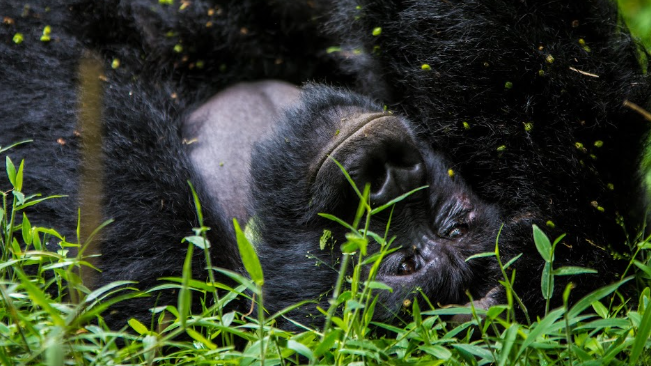
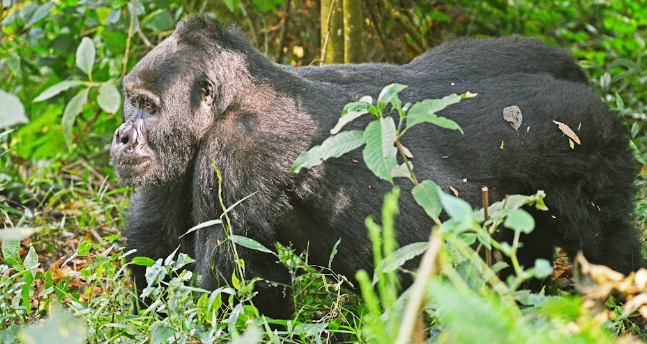
For many visitors, mountain gorillas represent the ultimate highlight of any wildlife photography safari in Uganda. Bwindi Impenetrable National Park protects nearly half of the world’s remaining mountain gorilla population, offering one of the most extraordinary wildlife experiences available anywhere.
Photographing gorillas differs significantly from photographing savannah wildlife. Dense vegetation, changing light conditions, and close encounters require patience and careful camera settings. However, the emotional connection created through eye contact with these gentle giants often results in unforgettable images.
Each gorilla family displays unique personalities and behaviors. Young gorillas frequently play among the trees while silverbacks quietly observe their surroundings. Mothers caring for infants present touching scenes that tell powerful conservation stories through photography.
The surrounding rainforest also offers opportunities to photograph colorful butterflies, forest birds, monkeys, ancient trees, and mist-covered landscapes that beautifully complement the gorilla experience.
Kibale National Park is internationally renowned for chimpanzee tracking, making it an excellent destination for primate photography. The lush rainforest supports one of Africa’s highest concentrations of primates, including chimpanzees, black-and-white colobus monkeys, red-tailed monkeys, L’Hoest’s monkeys, and grey-cheeked mangabeys.
Chimpanzees move quickly through the forest canopy, making photography both challenging and rewarding. Capturing their expressive faces, playful interactions, and human-like behavior often results in compelling storytelling images.
Besides primates, Kibale’s dense forest provides exceptional opportunities for photographing tropical vegetation, fungi, insects, and numerous forest bird species. The constantly changing forest light creates dramatic moods throughout the day.
For photographers seeking remote wilderness, Kidepo Valley National Park offers one of Africa’s most untouched safari destinations. Located in Uganda’s northeastern corner, the park features rugged mountains, expansive valleys, and vast open plains that create spectacular landscape photography.
The park supports species rarely seen elsewhere in Uganda, including cheetahs, ostriches, bat-eared foxes, and large herds of buffalo. Lions frequently patrol the Narus Valley while elephants roam the surrounding grasslands.
Because visitor numbers remain relatively low, photographers often enjoy uninterrupted wildlife sightings without crowded vehicles. The dramatic mountain scenery also provides stunning backgrounds that elevate ordinary wildlife images into extraordinary compositions.
Golden sunsets across Kidepo’s open landscapes create perfect conditions for silhouette photography and dramatic wide-angle images.
Although smaller than Uganda’s other national parks, Lake Mburo National Park offers remarkable opportunities for a relaxed wildlife photography safari. The park is especially known for its zebras, impalas, elands, giraffes, and numerous antelope species.
One of Lake Mburo’s unique advantages is the availability of walking safaris. Photographing wildlife from ground level provides entirely different perspectives compared to vehicle-based game drives. Experienced guides help visitors safely approach suitable wildlife while respecting animal behavior.
Boat cruises on Lake Mburo introduce excellent chances to photograph hippos, crocodiles, fish eagles, kingfishers, herons, and African finfoot. The calm waters also create beautiful reflections during sunrise and sunset.
Uganda has earned a global reputation as one of Africa’s finest birding destinations, making every wildlife photography safari especially rewarding for bird photographers. More than half of Africa’s bird species occur within Uganda’s borders, creating extraordinary opportunities throughout the country.
Wetlands, forests, savannahs, and mountainous regions each support specialized bird communities. The iconic shoebill remains the country’s most sought-after photographic subject, while colorful bee-eaters, turacos, kingfishers, hornbills, fish eagles, and sunbirds provide endless variety.
Bird photography often requires patience and specialized techniques, but Uganda rewards persistent photographers with exceptional diversity rarely matched elsewhere in Africa.
Uganda offers rewarding photography throughout the year, although weather conditions influence accessibility and lighting. The dry seasons, usually from June to August and December to February, provide excellent wildlife viewing because animals gather around permanent water sources while vegetation becomes less dense.
These months also offer easier road conditions, making travel between parks more comfortable. Morning and evening light during the dry season frequently produces warm golden tones that photographers highly value.
The rainy seasons bring their own advantages. Landscapes become vibrant green, flowers bloom across the countryside, and dramatic cloud formations enhance landscape photography. Bird activity also increases significantly during these periods, making them particularly attractive for bird enthusiasts.
Preparing properly enhances every wildlife photography safari experience. A telephoto lens is invaluable for photographing distant wildlife while maintaining a respectful distance. A wide-angle lens complements wildlife photography by capturing sweeping landscapes, dramatic skies, and environmental portraits that place animals within their natural habitats.
Photographers should keep spare batteries, multiple memory cards, lens cleaning cloths, and protective waterproof bags readily available throughout the safari. Uganda’s varying environments, from dusty savannahs to humid rainforests, can quickly affect camera equipment.
Patience remains one of the most valuable skills in wildlife photography. Animals follow their own routines, and waiting quietly often leads to remarkable moments that cannot be rushed. Respecting wildlife and following guide instructions not only ensures safety but also contributes to natural, authentic photographs.
Every wildlife photography safari contributes to Uganda’s conservation efforts. Park entrance fees, gorilla permits, and tourism revenue help fund wildlife protection, habitat conservation, ranger patrols, scientific research, and community development initiatives surrounding protected areas.
Are you hoping for wildlife photography safari in Uganda? At Haven Expeditions we tailor an itinerary that combines extraordinary wildlife encounters, breathtaking scenery, and authentic wilderness experiences unlike almost anywhere else in Africa.

Ready to explore the wild beauty of Africa? Tell us your travel interests below and our safari experts will respond to provided email within 2 minutes & absolutely free.


