
For many wildlife enthusiasts, seeing endangered mountain gorillas in their natural habitat is the highlight of an African adventure. As travelers begin planning this once-in-a-lifetime experience, one question often arises: Uganda vs Rwanda, which destination is better for gorilla trekking? Both countries are internationally recognized for their commitment to mountain gorilla conservation and offer exceptional opportunities to observe these gentle giants up close. Yet, despite sharing the same remarkable species, each destination delivers a distinctly different experience.
Choosing between Uganda and Rwanda is not simply a matter of selecting where to see gorillas. It involves considering your travel budget, the amount of time you have available, the style of safari you prefer, and the type of adventure you hope to enjoy. Some visitors are drawn to Rwanda’s convenience and luxury, while others appreciate Uganda’s affordability, diverse wildlife, and immersive rainforest experience.
This comprehensive comparison explores every important aspect of Uganda vs Rwanda gorilla trekking, helping you decide which destination best matches your travel expectations.
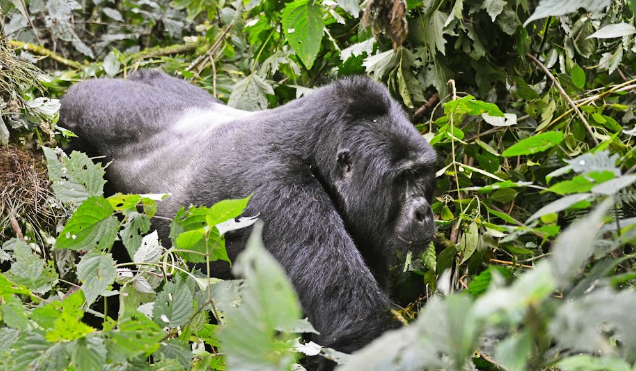
Although Uganda and Rwanda protect the same endangered mountain gorilla species, the trekking experience differs in several meaningful ways. In both countries, visitors spend approximately one hour observing a habituated gorilla family after a guided hike through the forest. Professional guides and experienced trackers lead every trek, ensuring both visitor safety and the well-being of the gorillas. Strict conservation rules limit the number of visitors per gorilla family each day, creating an intimate and unforgettable wildlife encounter.
The similarities, however, end there. The surrounding landscapes, trekking conditions, accessibility, accommodation options, and overall safari opportunities create two unique experiences. Understanding these differences is essential when deciding whether Uganda or Rwanda is the better destination for your gorilla trekking adventure.
One of the biggest distinctions between Uganda vs Rwanda lies in the number and variety of gorilla trekking locations. Uganda offers trekking in both Bwindi Impenetrable National Park and Mgahinga Gorilla National Park. Bwindi is particularly famous because it is home to nearly half of the world’s remaining mountain gorillas. The park contains numerous habituated gorilla families spread across four trekking sectors Buhoma, Ruhija, Rushaga, and Nkuringo giving visitors greater flexibility when selecting permits and accommodations.
Rwanda, by comparison, concentrates all gorilla trekking activities within Volcanoes National Park. Nestled among the scenic Virunga Mountains, the park is renowned for its beautiful volcanic landscapes, bamboo forests, and excellent tourism infrastructure. While Rwanda has fewer habituated gorilla families than Uganda, it still provides outstanding trekking experiences with consistently high success rates for gorilla sightings.
Permit prices often play a decisive role when comparing Uganda vs Rwanda. Uganda is widely regarded as the more affordable option for gorilla trekking, making it attractive to travelers who want exceptional value without compromising the quality of their experience.
A standard gorilla trekking permit in Uganda costs significantly less than one in Rwanda. In addition, Uganda offers the exclusive Gorilla Habituation Experience, which allows visitors to spend up to four hours with a semi-habituated gorilla family instead of the standard one-hour encounter.
Rwanda positions itself as a premium tourism destination, and its higher permit price reflects that strategy. Although the trekking experience itself is equally remarkable, visitors pay considerably more for the convenience, accessibility, and luxury services associated with Rwanda’s tourism industry.
For travelers working within a moderate budget, Uganda generally provides greater overall value while delivering an equally memorable wildlife encounter.
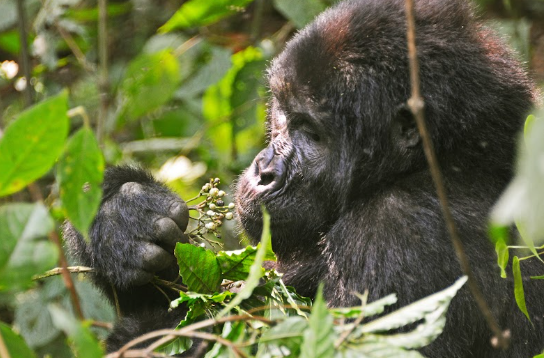
Accessibility represents one of Rwanda’s strongest advantages. Volcanoes National Park is located approximately two to three hours by road from Kigali International Airport, allowing travelers to arrive, complete a gorilla trek, and depart within just a few days. This convenience makes Rwanda particularly attractive to business travelers and tourists with limited vacation time.
Uganda requires a longer journey to reach its primary gorilla trekking destinations. Most visitors arrive through Entebbe International Airport before traveling by road to Bwindi Impenetrable National Park, a journey that typically takes eight to ten hours depending on the chosen sector. Domestic flights are also available, significantly reducing travel time, although they increase overall safari costs.
While Uganda demands more travel, many visitors find the journey itself rewarding. The drive passes through picturesque countryside, rolling hills, tea plantations, traditional villages, and wildlife-rich regions, providing a broader introduction to the country’s diverse landscapes.
Another important comparison in Uganda vs Rwanda involves the physical demands of the trek itself. Uganda’s Bwindi Impenetrable Forest lives up to its name, featuring steep hills, dense vegetation, muddy trails, and thick rainforest. Depending on the location of the assigned gorilla family, trekking can last anywhere from one hour to eight hours. Although the hike can be challenging, many visitors consider the adventure an essential part of the overall experience, as it creates a genuine sense of exploration before finally encountering the gorillas.
Rwanda’s Volcanoes National Park generally offers easier trekking conditions. Much of the vegetation consists of bamboo forests with more open terrain and clearly defined hiking paths. While some gorilla families inhabit higher elevations requiring strenuous climbs, many treks are comparatively shorter and less physically demanding than those in Uganda.
Travelers seeking a rugged rainforest adventure often favor Uganda, whereas those preferring a more accessible hiking experience frequently choose Rwanda.
When comparing Uganda vs Rwanda, many travelers consider what they can experience beyond gorilla trekking. Uganda stands out as one of Africa’s most diverse safari destinations, allowing visitors to combine gorilla trekking with chimpanzee tracking, Big Five game drives, boat cruises, birdwatching, mountain hiking, and cultural tours within a single itinerary.
National parks such as Queen Elizabeth, Murchison Falls, Kibale Forest, and Kidepo Valley offer incredible opportunities to see elephants, lions, leopards, buffaloes, giraffes, hippos, crocodiles, and hundreds of bird species. This diversity makes Uganda an ideal destination for travelers seeking a complete wildlife holiday.
Rwanda also offers excellent safari experiences, including game drives in Akagera National Park and chimpanzee tracking in Nyungwe Forest National Park. However, compared to Uganda, the country’s wildlife circuit is smaller, making Uganda the stronger choice for visitors wishing to combine multiple safari activities.
The scenery surrounding each trekking destination contributes greatly to the overall experience. Uganda’s Bwindi Impenetrable National Park is an ancient rainforest characterized by towering trees, mist-covered valleys, cascading streams, and remarkable biodiversity. The dense forest creates a feeling of entering one of Africa’s last truly wild ecosystems, where every step reveals unique plants, colorful birds, and fascinating forest life.
Rwanda presents a completely different but equally spectacular landscape. Volcanoes National Park is surrounded by dramatic volcanic peaks that dominate the horizon, while rolling farmland stretches across the surrounding countryside. The contrast between lush bamboo forests and towering volcanoes creates some of East Africa’s most photogenic scenery.
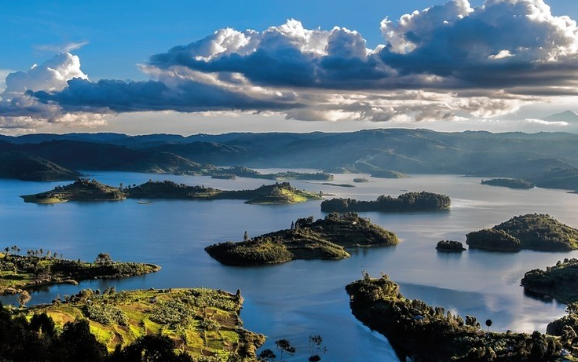
Accommodation quality is excellent in both destinations, although the styles differ considerably. Uganda provides an impressive range of lodging options that cater to every budget. Visitors can choose from comfortable guesthouses and mid-range safari lodges to luxurious eco-lodges overlooking the rainforest. Many accommodations are community-owned or operate sustainable tourism initiatives that directly benefit local residents and conservation projects.
Rwanda has established itself as a luxury tourism destination, offering some of Africa’s finest safari lodges with exceptional service, gourmet dining, elegant design, and exclusive experiences. Travelers seeking premium comfort often find Rwanda particularly appealing, although these luxury experiences come with higher overall travel costs.
Budget-conscious travelers generally enjoy greater flexibility in Uganda, while Rwanda excels in delivering high-end hospitality.
Photographers frequently compare Uganda vs Rwanda when deciding where to capture the best gorilla images. Uganda’s dense rainforest produces dramatic photographs filled with lush vegetation, atmospheric lighting, and authentic jungle settings. However, thick foliage and lower light levels can make photography more challenging, requiring patience and suitable camera equipment.
Rwanda’s bamboo forests often provide more open viewing conditions, allowing clearer backgrounds and improved natural lighting. These conditions can make it easier to capture sharp, well-composed images of gorillas in their natural environment.
Both destinations reward photographers with unforgettable images, although Rwanda’s more open terrain may offer a slight advantage for less experienced wildlife photographers.
Regardless of which destination you choose, your gorilla trekking permit contributes directly to one of Africa’s greatest conservation success stories. Revenue generated from tourism supports ranger patrols, veterinary care, habitat protection, scientific research, anti-poaching initiatives, and community development projects that encourage local people to protect wildlife rather than exploit it.
Both Uganda and Rwanda have demonstrated remarkable leadership in mountain gorilla conservation, helping increase the population through responsible tourism and strong government commitment. Every visitor who purchases a gorilla permit plays an important role in ensuring the continued survival of these endangered primates.
The answer ultimately depends on your personal travel priorities. If your goal is to maximize value, experience diverse wildlife, and enjoy a longer safari filled with varied adventures, Uganda offers exceptional opportunities at a more affordable price. Its extensive national park network, lower permit costs, and remarkable biodiversity make it an outstanding destination for travelers seeking a comprehensive East African safari.
Rwanda, on the other hand, is an excellent choice for visitors who prioritize convenience, luxury, and shorter travel times. The close proximity of Volcanoes National Park to Kigali allows travelers to experience gorilla trekking even during a brief holiday, while the country’s premium lodges and efficient tourism infrastructure create a seamless travel experience.
In conclusion, the debate surrounding Uganda vs Rwanda does not produce a single universal winner because both countries offer extraordinary opportunities to encounter endangered mountain gorillas in their natural habitat. Uganda distinguishes itself through affordability, adventure, wildlife diversity, and the chance to combine gorilla trekking with a wide range of safari experiences. Rwanda shines through its accessibility, luxury accommodations, efficient travel logistics, and spectacular volcanic scenery.

Ready to explore the wild beauty of Africa? Tell us your travel interests below and our safari experts will respond to provided email within 2 minutes & absolutely free.


