
The Rwenzori Mountains are among Africa’s most spectacular yet least explored mountain ranges. Rising dramatically along the border between Uganda and the Democratic Republic of Congo, these legendary peaks are often referred to as the “Mountains of the Moon.” Unlike the dry volcanic slopes of Mount Kilimanjaro or Mount Kenya, the Rwenzoris are covered in lush tropical forests, giant heather trees, bamboo zones, alpine meadows, and glaciers, creating one of the world’s most unique hiking destinations.
For adventurous travelers seeking an unforgettable experience, Rwenzori Mountains hiking offers breathtaking scenery, diverse wildlife, and the rewarding challenge of trekking through one of Africa’s most beautiful national parks. Whether you dream of conquering Margherita Peak or simply enjoying a multi-day nature trek, this guide will help you understand everything you need to know before planning your journey.
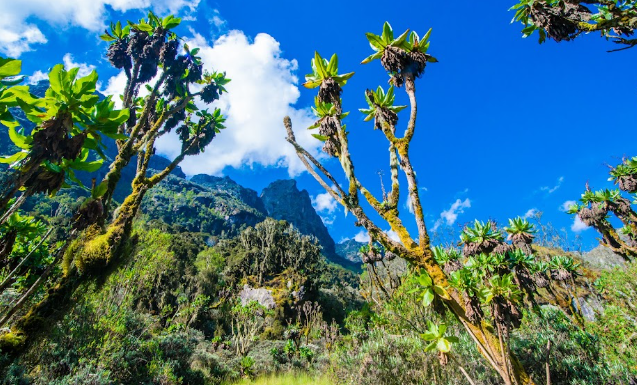
One of the biggest reasons travelers choose Rwenzori Mountains hiking is the incredible diversity of landscapes encountered during the trek. Every day feels like walking through a completely different ecosystem. The journey begins in dense tropical rainforest, gradually transitions into bamboo forests and moss-covered valleys, before reaching alpine vegetation and glacier-covered peaks.
Unlike many popular trekking destinations that can become crowded during peak seasons, the Rwenzori Mountains remain relatively untouched. Hikers enjoy peaceful trails, intimate encounters with nature, and a genuine wilderness experience that feels far removed from mass tourism.
The mountain range is also a UNESCO World Heritage Site, recognized for its exceptional biodiversity and remarkable ecological importance. Numerous endemic plant species, colorful birds, primates, and rare mammals inhabit these forests, making every hike an opportunity to experience Uganda’s rich natural heritage.
Choosing the right trail is one of the most important decisions when planning Rwenzori Mountains hiking. Fortunately, there are routes suitable for different fitness levels and travel goals.
The Central Circuit is the classic trekking route and remains the most popular option for visitors. This trail typically takes between seven and nine days, depending on the itinerary, and circles the mountain range while offering opportunities to summit Margherita Peak.
The trail passes through dense forests, beautiful valleys, waterfalls, alpine lakes, and rocky ridges before reaching higher elevations. Along the way, hikers stay in mountain huts that provide basic accommodation and shelter.
The Kilembe Trail is another excellent option for Rwenzori Mountains hiking. It approaches the mountains from the southern side and is often praised for its stunning scenery and quieter atmosphere.
This route offers spectacular views of deep valleys, dramatic cliffs, and pristine forests. Depending on the chosen itinerary, hikers can enjoy shorter scenic treks or challenging summit expeditions.
Not every visitor wants to spend a week climbing mountains. Fortunately, shorter guided hikes lasting one to three days are available. These treks allow beginners to experience the magical forests, waterfalls, and wildlife of the Rwenzoris without committing to a high-altitude expedition.
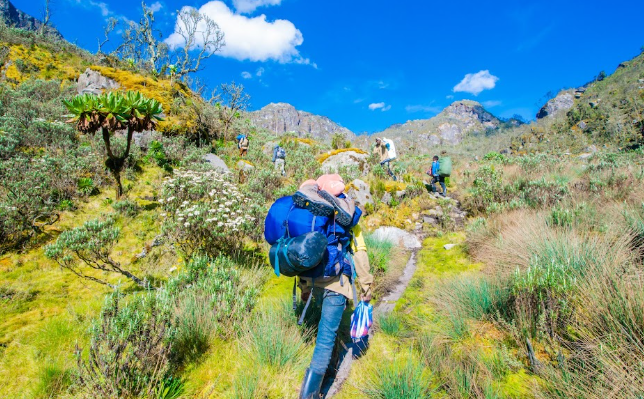
Many first-time visitors wonder whether Rwenzori Mountains hiking is suitable for beginners. The answer depends on the route selected and the individual’s physical condition.
The lower forest trails are relatively manageable for most healthy travelers with moderate fitness. However, reaching Margherita Peak requires considerable endurance, determination, and preparation. The trails are often muddy, steep, rocky, and slippery due to frequent rainfall.
Unlike some mountain climbs that rely mainly on altitude, the Rwenzoris present additional challenges because of rough terrain and unpredictable weather. Daily hiking can last between five and eight hours, making physical preparation extremely valuable.
Regular walking, stair climbing, cycling, and light strength training before your trip will significantly improve your hiking experience.
Timing plays an important role in planning a successful trekking adventure.
Although the mountains can be visited throughout the year, the relatively drier months generally provide better hiking conditions. These include:
During these periods, trails are slightly less muddy, skies are often clearer, and mountain views are more rewarding.
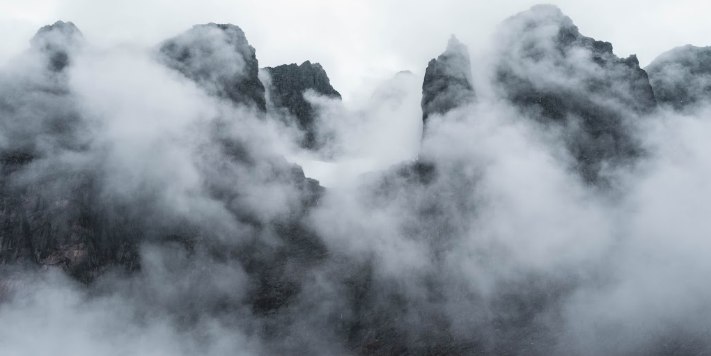
However, one unique aspect of the Rwenzoris is that rain can occur at almost any time of the year. Hikers should always prepare for wet conditions regardless of the season.
Preparation begins several weeks before your departure.
If possible, start exercising regularly to improve cardiovascular fitness and strengthen your leg muscles. Even moderate training can make long hiking days far more comfortable.
Equally important is choosing appropriate hiking gear. Waterproof clothing, comfortable hiking boots, warm layers, and quality rain protection are essential because mountain weather changes rapidly.
Mental preparation also matters. Mountain trekking requires patience, flexibility, and determination. Progress may seem slow due to steep terrain, but the breathtaking scenery makes every step worthwhile.
Packing wisely can greatly improve your comfort during the trek.
A reliable pair of waterproof hiking boots is perhaps the most important item. Since trails are frequently muddy, boots with strong ankle support and good grip are highly recommended.
Your clothing should follow a layering system that allows easy adjustment as temperatures change throughout the day. Moisture-wicking base layers, insulating fleece jackets, waterproof outer shells, gloves, and warm hats all play important roles.
Hiring porters is strongly encouraged, as they carry heavy luggage while also supporting local communities through tourism employment.
While the Rwenzori Mountains are primarily known for their landscapes, wildlife encounters add another exciting dimension to the experience.
The lower forests are home to black-and-white colobus monkeys, blue monkeys, chimpanzees, forest elephants, giant forest hogs, and numerous antelope species. Although large mammals are rarely seen due to dense vegetation, signs of their presence are common.
Bird enthusiasts will find the mountains particularly rewarding. More than 200 bird species inhabit the region, including several Albertine Rift endemics found nowhere else on Earth.
The unique alpine vegetation is equally fascinating. Giant lobelias and towering groundsels create surreal landscapes that resemble scenes from another planet.
Accommodation depends on the route selected.
Multi-day expeditions typically use mountain huts strategically located along the trails. These huts provide simple but comfortable shelter where hikers can rest after long days on the mountain.
Facilities are basic but adequate, with shared sleeping areas, dining spaces, and cooking facilities managed by trekking organizations.
Before and after the trek, visitors usually stay in comfortable lodges near the national park. These range from budget guesthouses to luxury eco-lodges, allowing travelers to choose accommodation that matches their budget.
Safety should always be a priority when trekking in mountainous environments.
Experienced guides accompany every official trekking expedition, ensuring hikers follow safe routes while monitoring weather conditions and altitude-related concerns.
Listening carefully to your guide, staying hydrated, maintaining a steady pace, and reporting any symptoms of altitude sickness early are all essential practices.
Travel insurance that specifically covers mountain trekking is strongly recommended, particularly for summit expeditions.
Respecting the natural environment is equally important. Stay on designated trails, avoid disturbing wildlife, and carry out all non-biodegradable waste to help preserve this extraordinary ecosystem.
The cost of Rwenzori Mountains hiking varies depending on the length of the trek, chosen route, accommodation, and operator.
Typical packages include park entrance fees, guide services, accommodation in mountain huts, meals, porter services, rescue fees, and logistical support.
While summit expeditions require a larger budget than shorter nature hikes, the experience represents exceptional value considering the level of organization, safety, and unforgettable scenery provided.
Booking through a reputable safari company ensures transparent pricing and professional support throughout your adventure.
Planning a mountain expedition requires expertise, careful logistics, and experienced local knowledge. Haven Expeditions specializes in creating safe, enjoyable, and well-organized trekking experiences throughout Uganda.
From securing permits and arranging transportation to providing experienced mountain guides and customized itineraries, the team ensures every detail is professionally managed. Whether you’re attempting your first mountain hike or pursuing the challenge of Margherita Peak, Haven Expeditions offers personalized service designed to maximize both safety and enjoyment.
With experienced guides, reliable equipment support, and a commitment to responsible tourism, you can focus entirely on enjoying one of Africa’s greatest hiking adventures.
Rwenzori Mountains hiking is much more than reaching a mountain summit, it’s an immersive journey through one of Africa’s most extraordinary natural landscapes. Every stage of the trek introduces new ecosystems, breathtaking scenery, and unforgettable moments that leave lasting memories long after the adventure ends.
For beginners, careful preparation, realistic expectations, and the guidance of experienced professionals make the experience both achievable and immensely rewarding. Whether you choose a short scenic hike through the lower forests or embark on a challenging summit expedition, the Rwenzori Mountains promise an adventure unlike any other.
If you’re looking for a destination that combines dramatic landscapes, remarkable biodiversity, authentic wilderness, and a genuine sense of exploration, the Rwenzori Mountains deserve a place at the very top of your Uganda travel itinerary.

Ready to explore the wild beauty of Africa? Tell us your travel interests below and our safari experts will respond to provided email within 2 minutes & absolutely free.


