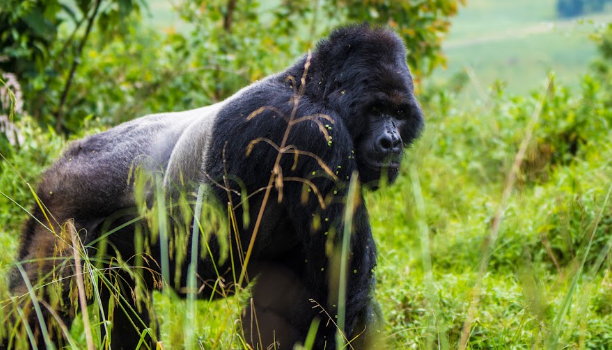
Gorilla trekking is one of Africa’s most extraordinary wildlife experiences, offering travelers the rare opportunity to observe endangered mountain gorillas in their natural habitat. While the trek itself is unforgettable, capturing those once-in-a-lifetime moments requires preparation, patience, and an understanding of both photography techniques and gorilla conservation guidelines. Unlike photographing wildlife on an open savannah, gorilla trekking takes place in dense tropical forests where lighting is limited, movement is unpredictable, and strict rules protect the animals from disturbance.
Mastering gorilla trekking photography is about much more than owning an expensive camera. It involves selecting the right equipment, understanding camera settings, respecting wildlife regulations, and knowing how to tell a compelling visual story. Whether you’re a professional photographer or simply hoping to capture memorable vacation photos, the right approach can dramatically improve your results.
This guide explores everything you need to know about gorilla trekking photography, from choosing the best camera gear to composing breathtaking images while respecting the incredible animals that make these forests their home.
Why Gorilla Trekking Photography is Unique
Unlike traditional wildlife photography, mountain gorillas live beneath dense forest canopies where sunlight rarely reaches the ground evenly. This creates challenging lighting conditions that require photographers to adapt quickly.
The trekking experience also limits photography time. Visitors spend only one hour with a habituated gorilla family, making preparation essential before entering the forest.
Because every trek is different, flexibility is one of the most valuable photography skills.
Preparing for Gorilla Trekking Photography
Preparation begins long before you reach Uganda or Rwanda. Understanding your equipment and practicing with it beforehand can significantly improve your confidence during the trek.
Instead of learning new camera settings in the forest, become comfortable adjusting shutter speed, ISO, autofocus, and exposure compensation before your safari.
Photographers should also familiarize themselves with local trekking regulations, ensuring their photography supports conservation rather than disrupting wildlife.
Choosing the Best Camera for Gorilla Trekking Photography
The best camera is one that performs well in low light and allows fast adjustments without complicated menus.
Mirrorless cameras have become increasingly popular because they offer excellent autofocus, lightweight designs, and outstanding image quality. Modern DSLR cameras remain equally effective, particularly for photographers already familiar with them.
Entry-level photographers can still capture beautiful images using advanced compact cameras or premium smartphones, although dedicated cameras generally perform better under forest lighting.
Selecting the Right Lens for Gorilla Trekking Photography
Lens choice has a major impact on image quality.
A medium telephoto zoom such as a 70–200mm lens is often considered the ideal option because it provides flexibility while maintaining respectful distances.
Many gorilla trekking photographers also carry a standard zoom lens for environmental portraits that showcase both gorillas and their lush surroundings.
Very long telephoto lenses are generally unnecessary because trekkers often approach relatively close to habituated gorilla families.
Fast lenses with wide apertures such as f/2.8 perform exceptionally well in dim forest conditions.
Camera Settings for Successful Gorilla Trekking Photography
Proper camera settings can make the difference between sharp wildlife images and blurry disappointments.
Because gorillas move frequently, photographers should prioritize faster shutter speeds whenever possible.
Recommended settings include:
Use a Higher ISO
Forest environments often require ISO settings between 800 and 3200.
Modern cameras handle these values remarkably well while maintaining excellent image quality.
Choose a Wide Aperture
Apertures between f/2.8 and f/5.6 allow more light into the camera while creating attractive background blur that isolates the gorilla from surrounding vegetation.
Increase Shutter Speed
Aim for shutter speeds of at least 1/250 second to freeze movement.
More active juveniles may require even faster settings.
Continuous Autofocus
Using continuous autofocus helps maintain sharp focus when gorillas change position unexpectedly.
Eye detection autofocus, if available, can produce remarkably detailed portraits.
Gorilla Trekking Photography During the Trek
The journey to the gorillas offers many photographic opportunities beyond the main attraction.
Dense forests contain colorful birds, butterflies, unique vegetation, insects, and dramatic landscapes that help tell the complete story of your adventure.
Documenting the trek itself creates a richer visual narrative than photographing only the gorillas.
Images of guides, trackers, forest paths, and hiking experiences add context that many travelers later appreciate.
Respect Wildlife While Practicing Gorilla Trekking Photography
Ethical photography should always take priority over getting the perfect shot.
Mountain gorillas are endangered animals whose welfare comes before photography.
Always follow ranger instructions throughout the encounter.
Respectful behavior allows both humans and gorillas to enjoy a safe encounter.
Composition Tips for Better Gorilla Trekking Photography
Technical settings matter, but composition transforms ordinary photographs into memorable works of art.
Instead of photographing every gorilla in the same way, look for emotional moments and natural interactions.
Excellent compositions often include:
Focus on the Eyes
Sharp eyes create emotional connection and immediately draw viewers into the image.
Capture Family Relationships
Silverbacks interacting with infants, mothers grooming young, and playful juveniles all tell compelling conservation stories.
Include the Environment
Wide-angle images that show gorillas surrounded by lush rainforest emphasize their natural habitat and strengthen storytelling.
Use Natural Frames
Leaves, vines, and branches can naturally frame subjects while adding depth.
Shoot from Eye Level
Whenever possible, photographing from the gorilla’s eye level creates more intimate and engaging portraits.
Lighting Techniques for Gorilla Trekking Photography
Forest lighting constantly changes throughout the trek.
Instead of fighting difficult light, photographers should learn to work with it.
Soft filtered sunlight often produces beautiful natural portraits without harsh shadows.
Cloudy days are surprisingly beneficial because they create evenly diffused lighting.
If bright sunlight breaks through the canopy, consider slightly reducing exposure to preserve detail in highlights.
Managing Moisture During Gorilla Trekking Photography
Rainforests are naturally humid environments.
Protecting camera equipment is essential.
Carry waterproof camera covers or dry bags, especially during the rainy seasons.
Microfiber cloths help remove moisture from lenses before shooting.
Avoid changing lenses frequently inside the forest, as this increases the chance of introducing dust or moisture into the camera sensor.
Allow equipment to gradually acclimate after leaving air-conditioned vehicles to minimize lens fogging.
Common Mistakes in Gorilla Trekking Photography
Many first-time visitors focus so intensely on taking photographs that they forget to experience the encounter itself.
Avoid spending the entire hour looking through the viewfinder.
Other common mistakes include:
Bringing too much heavy equipment.
Constantly changing lenses.
Using flash.
Ignoring composition.
Forgetting to back up photographs.
Shooting only close-up portraits.
Not checking exposure regularly.
Balancing photography with personal observation creates a far more rewarding experience.
Smartphone Gorilla Trekking Photography
Modern smartphones have become surprisingly capable cameras.
Although they cannot fully replace dedicated cameras in low light, they can still capture impressive memories.
To improve smartphone photography:
Hold the phone steady with both hands, avoid excessive digital zoom, clean the camera lens before entering the forest, use portrait mode carefully, and take advantage of HDR features when lighting conditions vary.
Remember that smartphones perform best when the gorillas are relatively close and lighting is favorable.
Telling a Story Through Gorilla Trekking Photography
The most memorable travel photography tells a complete story rather than presenting isolated images.
Consider documenting each stage of the experience.
Photograph:
The park entrance, briefing sessions, local guides, hiking trails, rainforest scenery, fellow trekkers, wildlife encountered along the way, and finally the incredible gorilla family itself.
This chronological approach creates a meaningful visual journey that reflects the entire adventure rather than only the destination.
Editing Gorilla Trekking Photography
Post-processing should enhance photographs while preserving their authenticity.
Basic adjustments often include:
Increasing shadow detail, correcting white balance, reducing digital noise, improving contrast, and applying gentle sharpening.
Avoid excessive editing that changes the natural appearance of the gorillas or rainforest.
Authentic wildlife photography remains more powerful than heavily manipulated images.
Best Time for Gorilla Trekking Photography
Photography conditions vary throughout the year.
The dry seasons generally provide easier hiking conditions and slightly brighter forest environments.
These typically occur between:
June to September.
December to February.
The rainy seasons, however, produce lush green vegetation, dramatic mist, and fewer visitors, creating unique photographic opportunities despite more challenging conditions.
Every season offers distinct advantages depending on your creative goals.
Accessories That Improve Gorilla Trekking Photography
A few carefully selected accessories can greatly improve your experience without adding excessive weight.
Useful items include:
A waterproof backpack, extra camera batteries, additional memory cards, lens cleaning cloths, rain covers, lightweight monopods where permitted, comfortable camera straps, and silica gel packs to reduce moisture.
Pack efficiently because the trek itself can be physically demanding.
Conservation and Responsible Gorilla Trekking Photography
Photography has tremendous power to inspire conservation.
Powerful images encourage people around the world to appreciate mountain gorillas and support efforts to protect their fragile habitats.
Always prioritize ethical photography over obtaining dramatic images.
Respect park rules, maintain safe distances, minimize environmental impact, and follow guidance from experienced ranger guides.
Responsible photography ensures future generations will continue enjoying these extraordinary encounters while supporting ongoing conservation initiatives
A successful gorilla safari is about far more than returning home with beautiful photographs. It is about experiencing one of the world’s most remarkable wildlife encounters while respecting the delicate balance between tourism and conservation.
With the right approach, gorilla trekking photography becomes more than simply taking pictures, it becomes a meaningful way to celebrate one of Africa’s greatest wildlife experiences while supporting the ongoing conservation of endangered mountain gorillas. For more information on gorillas or professional photographing, contact Haven Expeditionsfor your successful travel memories