
Traveling to Uganda is an unforgettable experience filled with extraordinary wildlife encounters, breathtaking landscapes, vibrant cultures, and warm hospitality. Whether you are planning to trek mountain gorillas in Bwindi Impenetrable National Park, embark on a game drive through Queen Elizabeth National Park, cruise along the Nile River in Murchison Falls National Park, or relax by the shores of Lake Bunyonyi, maintaining good health should be an essential part of your travel preparations. Understanding Uganda travel health recommendations before departure allows visitors to enjoy their journey with confidence while minimizing preventable health risks.
Many first-time travelers are concerned about malaria and other tropical diseases, but with proper planning, vaccination, preventive medication, and sensible travel habits, Uganda remains a safe and rewarding destination. Modern tourism infrastructure, professional tour operators, and accessible healthcare facilities in major towns help ensure that visitors can travel comfortably while enjoying everything the Pearl of Africa has to offer.

Preparing for Uganda travel health begins several weeks before your departure. Visiting a travel clinic approximately four to six weeks before your flight gives enough time for vaccinations, medical advice, and obtaining any recommended prescription medications.
A travel health consultation allows healthcare professionals to evaluate your itinerary, planned activities, existing medical conditions, and personal risk factors. Someone planning gorilla trekking in southwestern Uganda may receive slightly different recommendations from a traveler spending most of their time in Kampala or attending business meetings.
Travel insurance that includes medical treatment and emergency evacuation should also form part of your preparation. Although Uganda has reputable private hospitals in larger cities, evacuation may be necessary in rare cases involving serious illness or injury in remote national parks.
Bringing copies of your prescriptions, carrying medications in their original packaging, and packing a small medical kit can prevent unnecessary stress during your journey.
Among all Uganda travel health considerations, malaria prevention receives the greatest attention, and for good reason. Malaria remains present throughout much of Uganda, including both urban and rural areas, although the level of transmission varies depending on season, altitude, and location.
Malaria is transmitted through the bite of infected female Anopheles mosquitoes, which are most active between dusk and dawn. Fortunately, travelers can dramatically reduce their risk through a combination of preventive medication and protective measures against mosquito bites.
Doctors commonly prescribe antimalarial medications before travel. The most appropriate medication depends on your medical history, destination, age, and potential side effects. It is important to begin taking the medication according to your doctor’s instructions before arrival in Uganda, continue throughout your stay, and complete the full course after returning home if required.
Medication alone should never replace mosquito bite prevention. Wearing long-sleeved shirts and long trousers during evening hours provides an additional layer of protection. Applying insect repellent containing DEET, picaridin, or other approved active ingredients to exposed skin further reduces mosquito bites.
Sleeping under insecticide-treated mosquito nets remains highly effective, particularly when staying in remote safari lodges or community accommodations. Fortunately, most reputable safari lodges and hotels already provide mosquito nets and regularly spray guest rooms.
Air-conditioned rooms, screened windows, and closing doors before sunset also help limit mosquito exposure during the evening.
Vaccinations are another important aspect of Uganda travel health planning. Some vaccines are mandatory for entry, while others are strongly recommended depending on your itinerary.
Yellow fever vaccination is required for most travelers entering Uganda from countries with a risk of yellow fever transmission. Visitors should carry their International Certificate of Vaccination as immigration officials may request to see it upon arrival.
Healthcare providers often recommend additional vaccinations including hepatitis A, hepatitis B, typhoid, tetanus, diphtheria, pertussis, measles, mumps, rubella, polio, and rabies for travelers who expect extended stays or close interaction with animals.
Routine childhood vaccinations should also be up to date before international travel. Although not every traveler requires every vaccine, consulting a qualified travel medicine specialist ensures appropriate protection based on individual travel plans.
Food is one of the highlights of visiting Uganda. Fresh tropical fruits, locally grown vegetables, grilled meats, matoke, Rolex wraps, and delicious regional dishes provide memorable culinary experiences.
Drinking bottled water from sealed containers remains the safest choice throughout your trip. Many hotels and safari lodges also provide purified drinking water for guests. Travelers should avoid untreated tap water unless it has been properly boiled or filtered.
Ice cubes should only be consumed when made from purified water. Freshly cooked meals served hot generally present lower risks than foods left standing at room temperature for extended periods.
Peeling fruits personally and washing hands before meals further decreases the likelihood of gastrointestinal infections. Alcohol-based hand sanitizers provide an excellent alternative whenever soap and clean water are unavailable during excursions.
Although occasional stomach discomfort can occur anywhere in the world, practicing careful food and water hygiene greatly reduces the chances of illness interrupting your safari.
One unique aspect of Uganda travel health involves protecting both humans and wildlife. Mountain gorillas and chimpanzees share a large percentage of human DNA, making them vulnerable to many of the same respiratory illnesses.
Visitors who develop symptoms such as fever, cough, sore throat, or flu-like illness before trekking should immediately inform park authorities. Rangers may advise postponing the trek to protect endangered primates from infection.
Sneezing or coughing into your elbow, sanitizing hands before entering the forest, and following ranger instructions all contribute to responsible wildlife tourism.
These precautions protect both visitors and Uganda’s globally important primate populations.
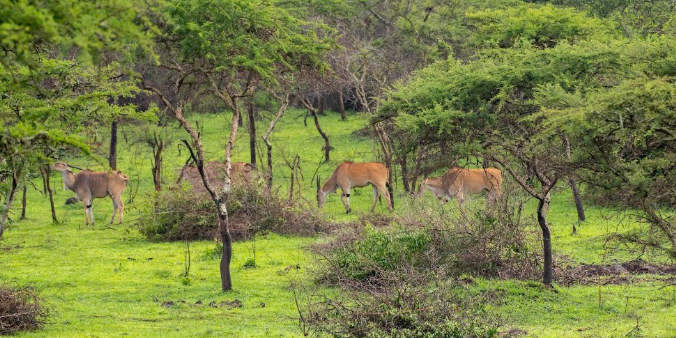
Although Uganda enjoys a moderate climate due to its elevation, the equatorial sun remains surprisingly strong throughout the year. Many visitors underestimate their exposure, particularly during game drives, boat cruises, hiking excursions, and gorilla trekking.
Applying broad-spectrum sunscreen regularly protects against sunburn and long-term skin damage. Wearing a wide-brimmed hat, UV-protective sunglasses, and lightweight clothing further minimizes sun exposure.
Hydration deserves equal attention. Long safari days, warm temperatures, and physically demanding hikes increase fluid requirements. Drinking sufficient clean water before, during, and after outdoor activities helps prevent dehydration, fatigue, and heat-related illness.
Safari guides usually carry extra bottled water during excursions, but travelers should also bring reusable water bottles for convenience.
Although Uganda does not have the extreme altitudes found in some mountain destinations, certain areas such as Mount Elgon and the Rwenzori Mountains reach significant elevations where travelers may notice mild altitude effects.
Most safari activities, including gorilla trekking, require moderate physical fitness rather than advanced athletic ability. Trekking conditions vary daily depending on where gorilla families are located, with hikes ranging from relatively easy walks to more challenging climbs through steep forest terrain.
Preparing through regular walking, light hiking, and cardiovascular exercise before departure improves both comfort and enjoyment during the trip.
Wearing supportive hiking boots, carrying enough drinking water, and pacing yourself throughout the trek help reduce exhaustion and minor injuries.
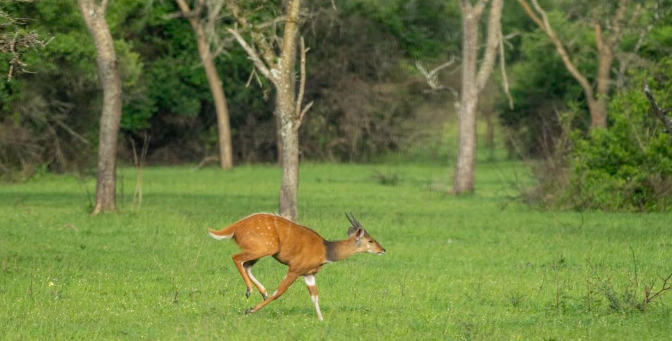
While malaria receives the greatest attention, preventing insect bites also helps reduce exposure to other mosquito-borne illnesses and general discomfort.
Light-colored clothing makes it easier to spot insects while attracting fewer mosquitoes than dark colors. Applying insect repellent after sunscreen ensures maximum effectiveness throughout outdoor activities.
Accommodation providers frequently implement mosquito control programs, including treated nets, screened rooms, and routine spraying. Nevertheless, personal protective measures remain important, especially during evening game drives or riverside activities.
Avoiding heavily scented perfumes and lotions may also reduce insect attraction in some environments.
Understanding available healthcare services contributes significantly to Uganda travel health preparedness. Uganda has both public and private healthcare facilities, with private hospitals generally offering higher standards of care for international visitors.
Kampala is home to several modern medical centers staffed by experienced physicians and specialists. Regional towns including Mbarara, Fort Portal, Gulu, and Jinja also provide healthcare services suitable for many routine medical needs.
Safari companies maintain communication systems that allow guides to coordinate emergency assistance if necessary. Reputable tour operators also know the nearest medical facilities within each national park region.
Carrying travel insurance documentation, emergency contact numbers, and a list of any allergies or chronic medical conditions can expedite treatment should unexpected illness occur.
A thoughtfully prepared medical kit supports good Uganda travel health throughout your journey. Packing essential supplies before leaving home ensures immediate access when needed, particularly in remote safari locations.
Your kit should include prescription medications in sufficient quantities for the entire trip, antimalarial medication, pain relievers, oral rehydration salts, anti-diarrheal medication recommended by your healthcare provider, adhesive bandages, antiseptic wipes, blister treatment, hand sanitizer, insect repellent, sunscreen, and any personal medical devices you routinely use.
Individuals with allergies should carry appropriate emergency medication, while those with chronic illnesses should bring additional supplies in case of unexpected travel delays.
Healthy travel habits extend beyond medications and vaccinations. Adequate sleep, balanced meals, proper hydration, and regular hand hygiene all contribute to maintaining your immune system while traveling.
Avoiding excessive alcohol consumption, particularly before strenuous activities such as gorilla trekking, helps prevent dehydration and fatigue. Listening to your body and informing your guide if you begin feeling unwell ensures that assistance can be provided promptly.
Preparing for Uganda travel health is one of the smartest investments you can make before exploring one of Africa’s most captivating destinations. While malaria prevention deserves careful attention, comprehensive travel health planning also includes vaccinations, food and water safety, insect bite prevention, sun protection, travel insurance, and sensible personal hygiene.
Uganda welcomes thousands of international visitors every year who safely enjoy gorilla trekking, wildlife safaris, cultural experiences, hiking adventures, and scenic landscapes without experiencing significant health problems. By consulting a travel health professional like Haven Expeditions before departure, following recommended preventive measures, and remaining aware of your personal wellbeing throughout the trip, you can travel with confidence and peace of mind.

Ready to explore the wild beauty of Africa? Tell us your travel interests below and our safari experts will respond to provided email within 2 minutes & absolutely free.
Copyright © 2026 Haven Expeditions


