
Uganda is widely celebrated for its mountain gorillas, the mighty River Nile, and diverse wildlife, but tucked away in the country’s remote northeastern corner lies one of Africa’s most spectacular wilderness destinations, Kidepo Valley National Park. Far removed from the busy tourism circuit, this remarkable park offers breathtaking landscapes, exceptional wildlife encounters, rich cultural experiences, and an authentic safari atmosphere that few places on the continent can match.
Often described as Uganda’s best-kept secret, Kidepo Valley National Park combines dramatic mountain scenery, sweeping savannahs, seasonal rivers, and abundant wildlife to create an unforgettable safari destination. Unlike many popular parks that attract large crowds, Kidepo rewards visitors with peaceful game drives where they may spend hours exploring without encountering another vehicle. This sense of exclusivity makes it a dream destination for nature lovers, photographers, and travelers seeking an authentic African wilderness experience.
Whether you are planning your first safari in Uganda or looking to venture beyond the country’s famous gorilla trekking destinations, Kidepo Valley National Park deserves a place at the top of your travel itinerary.
Kidepo Valley National Park covers approximately 1,442 square kilometers and lies in Uganda’s Karamoja region, bordering South Sudan to the north and Kenya to the east. Its remote location has helped preserve its untouched beauty and remarkable biodiversity.
Unlike the more frequently visited parks in southwestern Uganda, Kidepo offers an entirely different safari experience. The landscape is dominated by vast golden grasslands, rocky outcrops, dry riverbeds, and the towering Morungole Mountains, creating scenery that rivals the famous parks of East Africa.
International travel experts have consistently ranked Kidepo among Africa’s finest national parks due to its stunning scenery and impressive concentration of wildlife. Every journey into the park feels like entering an untouched wilderness where nature reigns supreme.
One of the defining features of Kidepo Valley National Park is its extraordinary scenery. Visitors are immediately captivated by endless plains stretching toward distant mountain ranges, creating breathtaking panoramic views in every direction.
The Narus Valley forms the heart of the park and remains green throughout much of the year because of permanent water sources. These conditions attract large concentrations of wildlife, making it the best area for game viewing.
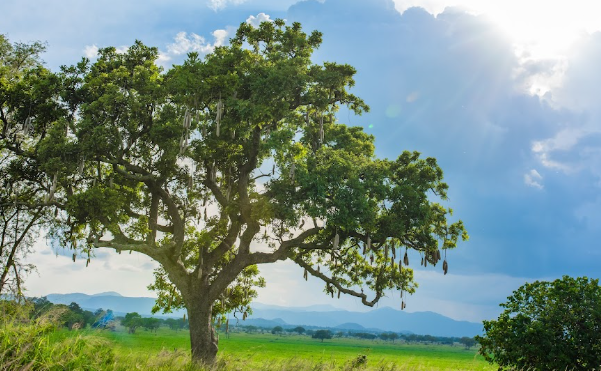
The Kidepo Valley itself presents an entirely different environment. During the dry season, the Kidepo River transforms into a sandy riverbed lined with magnificent Borassus palm trees, creating one of Uganda’s most iconic landscapes. After seasonal rains, the valley bursts into life with lush vegetation that supports numerous animal species.
The dramatic Morungole Mountain rises over 2,700 meters above sea level and serves as an impressive backdrop throughout the park, enhancing its already spectacular scenery.
Kidepo Valley National Park boasts one of the richest wildlife populations in Uganda. More than 75 mammal species call the park home, including several that are rarely found elsewhere in the country.
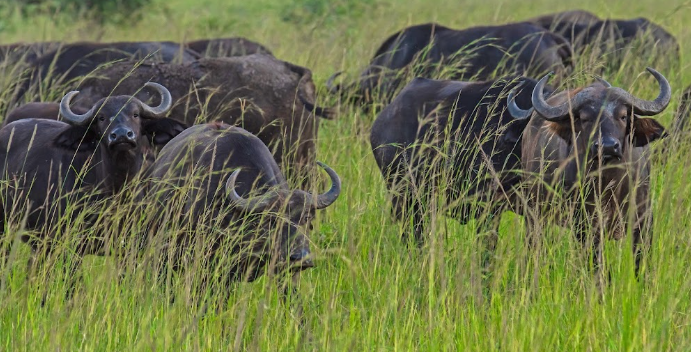
Game drives through the Narus Valley often reveal impressive herds of African elephants peacefully grazing alongside Cape buffaloes, zebras, giraffes, and various antelope species. Uganda kob, elands, waterbucks, bushbucks, and oribis are commonly seen throughout the plains.
Predators thrive in this protected ecosystem. Lions are among the park’s biggest attractions and are often observed resting on rocky outcrops or beneath acacia trees during the heat of the day. Leopards also inhabit the park, although spotting these elusive cats requires patience and a bit of luck.
One of the unique highlights of Kidepo Valley Park is the presence of cheetahs, which are absent from most other Ugandan national parks. The park is also one of the few places in Uganda where visitors may encounter bat-eared foxes, striped hyenas, and caracals.
Because tourist numbers remain relatively low, wildlife encounters feel intimate and unhurried, allowing visitors to fully appreciate animal behavior in a peaceful environment.
Bird enthusiasts consider Kidepo Valley National Park one of East Africa’s premier birding destinations. The park is home to more than 470 bird species, many of which are unique to Uganda’s northeastern region.
The diverse habitats support an impressive variety of raptors, savannah birds, woodland species, and migratory birds. Birdwatchers may encounter ostriches, secretary birds, Abyssinian ground hornbills, Kori bustards, Verreaux’s eagle, and numerous colorful bee-eaters and kingfishers.
The dry valleys, wetlands, woodlands, and open grasslands each provide unique opportunities for bird photography and observation throughout the year.

Visitors can enjoy a wide range of exciting activities that showcase the park’s natural beauty and cultural richness.
Game drives remain the most popular activity, particularly during the early morning and late afternoon when wildlife is most active. Professional guides help visitors locate animals while sharing fascinating insights about the park’s ecology.
Nature walks offer an entirely different perspective. Accompanied by experienced Uganda Wildlife Authority rangers, guests can explore the wilderness on foot while learning about animal tracks, medicinal plants, insects, and birdlife.
Mountain hiking is another rewarding adventure. The challenging trek up Mount Morungole rewards hikers with spectacular panoramic views across Uganda, South Sudan, and Kenya.
A safari to Kidepo Valley National Park extends beyond wildlife viewing. The surrounding Karamoja region offers visitors the opportunity to experience one of Uganda’s most distinctive cultures.
The Karamojong people have maintained many of their traditional customs and pastoral lifestyle for generations. Guided cultural visits introduce travelers to local homesteads known as Manyattas, where they learn about traditional architecture, cattle keeping, dances, music, crafts, and daily life.
Visitors interested in mountain cultures may also arrange guided visits to the Ik community living on the slopes of Mount Morungole. Once regarded as one of Africa’s most isolated communities, the Ik provide valuable insight into a unique way of life that has survived for centuries.
These cultural encounters create meaningful connections between conservation and community tourism while directly supporting local livelihoods.
Kidepo Valley National Park can be visited throughout the year, although the dry seasons generally provide the most rewarding safari experiences.
Between December and March, as well as June through September, vegetation becomes less dense and wildlife gathers around permanent water sources, making animals easier to locate during game drives.
The rainy seasons transform the park into a lush green paradise with vibrant vegetation and excellent opportunities for bird watching. Although some roads may become more challenging, photographers often appreciate the dramatic landscapes created by seasonal rains.
Regardless of the season, every visit offers unique experiences that showcase different aspects of the park’s remarkable ecosystem.
Despite its remote location, reaching Kidepo Valley National Park has become increasingly convenient.
Travelers can drive from Kampala through Gulu and Kitgum, enjoying changing landscapes that highlight Uganda’s incredible diversity. The road journey takes approximately ten to twelve hours and is often combined with visits to other attractions in northern Uganda.
For visitors seeking greater convenience, scheduled domestic flights operate between Entebbe International Airport and Kidepo Airstrip, significantly reducing travel time while offering spectacular aerial views of Uganda’s landscapes.
Many tour operators include Kidepo in customized safari itineraries that combine wildlife viewing with gorilla trekking, chimpanzee tracking, or visits to Murchison Falls National Park.
Accommodation within and around Kidepo Valley National Park caters to a variety of travel styles and budgets.
Luxury safari lodges provide elegant rooms, fine dining, panoramic views, and personalized service while maintaining harmony with the surrounding environment. Mid-range lodges offer comfortable facilities and excellent access to wildlife viewing areas.
Budget travelers can choose from safari camps and community-operated accommodations that provide clean, affordable lodging while supporting local conservation initiatives.
The preservation of Kidepo Valley National Park depends on ongoing conservation efforts led by the Uganda Wildlife Authority together with local communities and conservation organizations.
Anti-poaching patrols, community education programs, wildlife monitoring, and sustainable tourism initiatives have helped maintain healthy wildlife populations while creating economic opportunities for surrounding communities.
Responsible tourism plays an important role in protecting the park. Every visitor contributes through park entrance fees, local employment, and support for community enterprises, ensuring that future generations can continue to enjoy this extraordinary wilderness.
Kidepo Valley National Park offers far more than a traditional safari. It combines spectacular landscapes, remarkable biodiversity, authentic cultural encounters, and a rare sense of solitude that has become increasingly difficult to find in today’s popular wildlife destinations.
For travelers seeking an authentic African safari away from crowded destinations, Kidepo Valley National Park truly lives up to its reputation as Uganda’s hidden gem. A journey to Kidepo is not simply a holiday, it is an unforgettable exploration of one of Africa’s last great wildernesses.

Ready to explore the wild beauty of Africa? Tell us your travel interests below and our safari experts will respond to provided email within 2 minutes & absolutely free.


