How to Plan a Budget Safari in Uganda
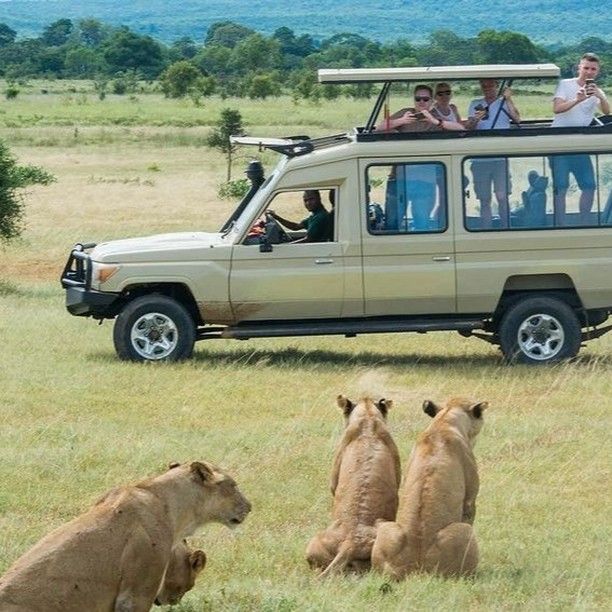
Uganda, the “Pearl of Africa,” is a land of incredible biodiversity, from the iconic mountain gorillas of Bwindi to the thundering Murchison Falls. While a safari here can feel like a luxury reserved for the elite, it absolutely doesn’t have to be!
With the right strategy, you can experience the magic of Uganda’s national parks without emptying your savings. Here is your essential guide to planning a budget-friendly safari adventure.
1. Group Up and Share the Costs
The single biggest cost saver for a safari is sharing the expense of transportation and guiding.
- Form a Group: Travel with friends or family. Splitting the cost of a 4×4 safari vehicle and driver-guide across 4-6 people dramatically cuts the per-person price.
- Join a Group Tour: If you are a solo traveler or a couple, ask local tour operators if they have any scheduled group departures that you can join. This allows you to benefit from the split costs of a larger group without having to organize it yourself.
- Split Permits: Even the mandatory Gorilla Trekking permit (currently $800 for non-residents) can feel more manageable when you’ve saved hundreds on accommodation and transport.
2. Embrace Budget Accommodation: Camp or Community Lodges
Forget the luxury tented camps with swimming pools—Uganda has fantastic, well-maintained budget options that put you closer to nature.
- Camping: Many national parks, like Queen Elizabeth and Murchison Falls, have designated public or private campsites (e.g., Red Chilli Rest Camp, UWA Campsites). You can pitch your own tent for a small fee ($5-$15/night) or rent a basic, already-pitched tent or “banda” (a simple hut) for more minimal cost ($15-$30/night).
- Community Lodges & Guesthouses: These locally-run establishments offer clean, basic, and often en-suite rooms just outside the park gates for a fraction of the price of mid-range lodges. Look for options like Buhoma Community Rest Camp near Bwindi or Pumba Safari Cottages near Queen Elizabeth.
- Self-Catering: Choose accommodations that offer self-catering facilities. Buying groceries in local towns and cooking a few of your own meals can save a lot compared to full board at a lodge.
3. Choose Your Transport Wisely: Self-Drive vs. Safari Van
Transportation can be a major budget item, but you have options:
- The Ultimate Budget Saver: Self-Drive: Renting a reliable 4×4 (like a Toyota Land Cruiser or Prado) can cost as low as $50 – $100 per day (excluding fuel). This gives you total freedom and flexibility. Tip: Many rentals offer a rooftop tent and camping gear bundle, combining your transport and accommodation cost!
- The Practical Budget Tour: Safari Van: If you book a budget package, you might be put in a customized safari van instead of a Land Cruiser. These vehicles have lower rental costs (often around $100/day compared to $250-$300/day for a Land Cruiser) and are a great shared-cost option.
- Local Public Transport (For the truly adventurous): While difficult to rely on for park visits, public buses and shared taxis (‘matatus’) are the cheapest way to travel between major towns like Kampala, Fort Portal, and Mbarara, saving a huge chunk of your travel budget.
4. Travel During the Low Season
Uganda’s low season, typically March-May and October-November, brings fewer crowds and better prices.
- Discounted Accommodation: Many lodges offer lower rates to fill rooms during the rainy seasons. You can often secure a budget room for even less.
- Fewer Crowds: You’ll have a more intimate experience with wildlife and nature, as you won’t be sharing sightings with a dozen other vehicles.
- Note: While a budget is important, the price of the Gorilla Trekking Permit is generally fixed year-round at $800.
5. Prioritize Your Activities and Parks
Uganda offers many incredible activities, but some are much more expensive than others.
- Focus on the Big Game Parks: Safaris in parks like Queen Elizabeth National Park and Murchison Falls National Park are generally cheaper than primate tracking. Game drives and boat cruises are fantastic value for money.
- Consider Cheaper Primate Tracking: While Gorilla Trekking is the bucket list item, Chimpanzee Tracking in Kibale Forest National Park is significantly cheaper ($250 vs $800) and an equally thrilling primate experience.
- Explore Lake Mburo National Park: This park is the most accessible from Kampala/Entebbe and is known for its affordable activities, including walking safaris and cycling safaris, which allow for unique wildlife encounters at a low cost.
Final Budget Checklist:
A Uganda safari is an achievable dream for budget-conscious travelers. By grouping up, choosing communal or simple accommodation, and being smart about your transportation, you can easily save hundreds of dollars and put that money towards the experience of a lifetime, like meeting the magnificent Mountain Gorillas! Start planning your affordable African adventure today.