
A gorilla trekking adventure is one of Africa’s most unforgettable wildlife experiences. Walking through lush tropical forests, listening to the sounds of nature, and finally coming face-to-face with a family of endangered mountain gorillas creates memories that last a lifetime. Many families planning a safari often ask whether gorilla trekking kids can participate in this extraordinary adventure.
The answer is both simple and important. While children under the official minimum age are not permitted to trek mountain gorillas, families can still enjoy an incredible gorilla safari with older teenagers and take advantage of many family-friendly activities for younger children.
This guide explains everything parents need to know about gorilla trekking kids, including age restrictions, safety considerations, family-friendly destinations, preparation tips, and alternatives for younger children.
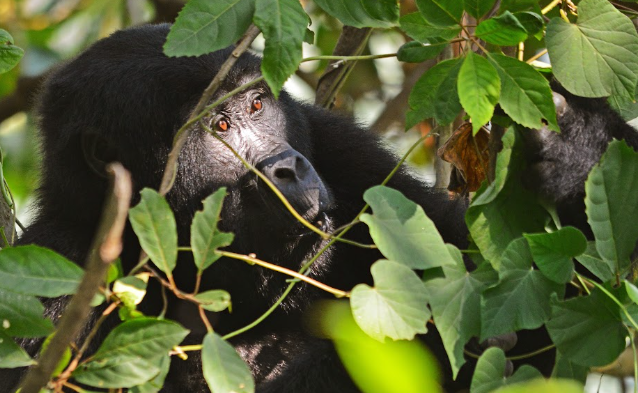
Family travel is increasingly focused on meaningful experiences rather than traditional sightseeing. Gorilla trekking offers children and teenagers an opportunity to learn about wildlife conservation while experiencing nature in its purest form.
Unlike visiting animals in a zoo, trekking allows visitors to observe gorillas behaving naturally in their forest habitat. Watching playful juveniles, protective silverbacks, and nurturing mothers teaches valuable lessons about animal behavior and biodiversity.
For older children, the adventure itself is equally exciting. Hiking through dense forests, crossing streams, and discovering wildlife creates an educational journey that combines physical activity with unforgettable encounters.
Parents often find that a gorilla safari strengthens family bonds through shared adventure while inspiring young travelers to appreciate conservation efforts.
One of the most common questions about gorilla trekking kids concerns the minimum age requirement. Both Uganda and Rwanda require every trekker to be at least 15 years old before participating in mountain gorilla trekking.
This rule exists for several important reasons. Gorilla trekking can involve hiking for several hours over steep, muddy, and uneven terrain. Young children may struggle with the physical demands and become tired before reaching the gorillas.
Another reason is safety. Although mountain gorillas are generally calm and habituated to human presence, they remain wild animals. Visitors must remain quiet, follow ranger instructions, and avoid sudden movements. Younger children may unintentionally react loudly or unpredictably, potentially disturbing the gorillas.
Health considerations also play a significant role. Gorillas share approximately 98 percent of human DNA and are highly susceptible to human illnesses such as colds and flu. Older visitors are generally better able to understand and follow strict health guidelines designed to protect these endangered animals.
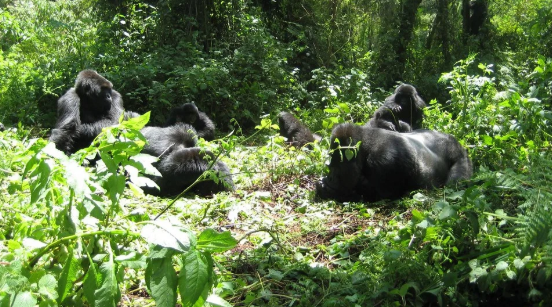
Families with teenagers who meet the minimum age often discover that gorilla trekking becomes the highlight of their African safari.
The day typically begins early with a briefing by park rangers. During this session, visitors learn about gorilla behavior, trekking etiquette, and conservation rules before being assigned to a specific gorilla family.
The trek itself may last anywhere from one to six hours depending on where the gorillas are located that day. Some families encounter gorillas relatively quickly, while others enjoy a longer hike through breathtaking rainforest landscapes.
Once the gorillas are located, visitors spend one unforgettable hour observing them. Teenagers often find this hour fascinating as they witness playful young gorillas climbing trees, mothers caring for infants, and the dominant silverback watching over the group.
Photography is permitted without flash, allowing families to capture remarkable memories while respecting the animals.
Preparation significantly enhances the trekking experience. Families should discuss what to expect well before arriving in Uganda or Rwanda.
Teenagers benefit from understanding that gorilla trekking is not simply a walk through the forest. The terrain may be slippery, steep, humid, and physically demanding. Building fitness through regular walks or hikes before travel helps ensure they enjoy the adventure rather than struggle with it.
Parents should also explain the importance of remaining calm near wildlife. Rangers provide clear instructions, but teenagers who understand these expectations beforehand tend to feel more confident during the encounter.
Mental preparation is equally valuable. Trekking requires patience because locating gorillas depends on their daily movements rather than fixed schedules.
Packing the right equipment makes the trek safer and more comfortable.
Comfortable waterproof hiking boots provide stability on muddy trails while long trousers and long-sleeved shirts protect against insects and stinging plants. Gardening gloves are surprisingly useful for gripping vegetation during steep sections.
Waterproof jackets are recommended because rainforest weather changes quickly, even during the dry season. Families should also carry reusable water bottles to remain hydrated throughout the hike.
High-energy snacks provide extra fuel, especially for teenagers who may expend considerable energy during longer treks. Sunscreen, insect repellent, sunglasses, and a wide-brimmed hat add additional protection whenever forest cover becomes less dense.
A lightweight backpack helps organize these essentials without becoming uncomfortable during extended hiking.
Safety remains the highest priority during every gorilla trek.
Professional guides and armed rangers accompany each group from beginning to end. These experienced conservation experts monitor both visitor safety and gorilla welfare throughout the experience.
Visitors experiencing symptoms of illness should postpone their trek. Even common respiratory infections can threaten mountain gorilla populations.
Parents should also remind teenagers that touching gorillas is strictly prohibited, regardless of how close the animals may approach.
Families traveling with children under fifteen need not abandon their gorilla safari dreams. Many destinations near gorilla parks offer exciting activities suitable for younger visitors.
Nature walks introduce children to rainforest ecosystems through shorter, easier trails. Guided village visits allow families to experience local traditions, music, dance, and crafts while learning about communities living near protected forests.
Bird watching provides excellent opportunities to discover colorful forest species, while butterfly walks introduce children to fascinating insects found within the rainforest ecosystem.
Several lodges also provide cultural storytelling sessions, traditional cooking demonstrations, and wildlife education programs specifically designed for young guests.
Parents can alternate activities, allowing one adult to participate in gorilla trekking while the other enjoys child-friendly experiences before switching on another day if itinerary permits.
Uganda remains one of the most popular destinations for family gorilla safaris due to its diverse wildlife experiences.
Families often combine gorilla trekking with game drives, boat safaris, chimpanzee tracking, and cultural experiences. This variety helps create an itinerary that appeals to every family member regardless of age.
Rwanda offers shorter travel times between the capital and the gorilla trekking region, making it attractive for families with limited vacation days. Luxury lodges and excellent infrastructure also contribute to a comfortable family experience.
Regardless of destination, selecting accommodations experienced in hosting families can make a significant difference. Many safari lodges provide spacious family rooms, flexible dining options, and staff accustomed to assisting guests traveling with children.
One of the greatest benefits of introducing older children to gorilla trekking is the educational value.
Teenagers gain firsthand understanding of wildlife conservation by learning how tourism directly supports gorilla protection, habitat preservation, ranger employment, veterinary care, and local community development.
Guides often explain how responsible tourism has contributed to the gradual recovery of mountain gorilla populations over recent decades. This real-world lesson helps young travelers appreciate the relationship between conservation and sustainable tourism.
Many teenagers return home with a deeper interest in wildlife, biology, environmental science, or conservation careers after experiencing gorillas in their natural habitat.
Families can enjoy gorilla trekking throughout the year, although the dry seasons generally provide more comfortable hiking conditions.
The months from June to September and December to February typically feature less rainfall, making forest trails easier to navigate. These periods are especially suitable for families trekking with teenagers who may have limited hiking experience.
The wetter months bring greener scenery, fewer visitors, and excellent photography opportunities. However, trails may become considerably muddier and require extra physical effort.
A successful family adventure begins with realistic expectations. Parents should choose itineraries that allow adequate rest between activities rather than rushing from one destination to another.
Hiring a porter during the trek is highly recommended, even for physically fit visitors. Porters assist with carrying backpacks, provide support on difficult terrain, and create employment opportunities for local communities.
Travel insurance that covers trekking activities offers valuable peace of mind, while consulting a travel clinic before departure ensures all recommended vaccinations and health precautions are addressed.
Most importantly, families should approach the experience with patience and flexibility. Wildlife encounters are unpredictable, which makes every gorilla trek unique and memorable.
No. The official minimum age for mountain gorilla trekking in Uganda and Rwanda is 15 years.
The regulation protects both children and gorillas by ensuring trekkers possess the physical ability, maturity, and discipline needed during the encounter.
Yes. Although they cannot trek gorillas, they can participate in many family-friendly activities around the national parks while older family members complete the trek.
Yes. When accompanied by experienced guides and following park regulations, gorilla trekking is considered a safe wildlife activity for eligible participants.
Difficulty varies daily depending on the gorillas’ location. Some hikes last under two hours, while others may require several hours of walking through mountainous rainforest.
Families traveling with younger children can still enjoy an enriching safari by combining gorilla trekking with cultural experiences, nature walks, wildlife viewing, and educational activities designed for all ages. With thoughtful planning, suitable accommodations, and realistic expectations, every member of the family can enjoy a memorable African adventure.
Whether your goal is introducing teenagers to wildlife conservation or creating a once-in-a-lifetime family holiday, a well-planned gorilla safari promises unforgettable moments that will be treasured for years to come.

Ready to explore the wild beauty of Africa? Tell us your travel interests below and our safari experts will respond to provided email within 2 minutes & absolutely free.


