
Gorilla trekking is one of Africa’s most unforgettable wildlife experiences. Standing only a few meters away from a family of endangered mountain gorillas in their natural habitat is an emotional and life-changing encounter. However, trekking through dense tropical forests, steep hills, muddy trails, and changing weather conditions requires proper preparation. One of the most important aspects of preparing for your adventure is gorilla trekking packing. Bringing the right gear not only ensures your comfort but also enhances your safety and allows you to fully enjoy every moment of your trek.
Whether you are planning to trek in Uganda’s Bwindi Impenetrable National Park or Mgahinga Gorilla National Park, or across the border in Rwanda’s Volcanoes National Park, this comprehensive guide will help you understand exactly what to pack and why each item matters.
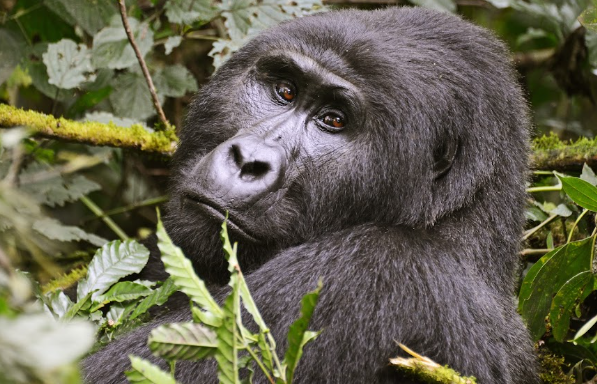
Many first-time travelers underestimate the physical nature of gorilla trekking. Although some trekking routes are relatively easy, others involve several hours of hiking through thick vegetation, slippery slopes, and uneven terrain. Rain can appear without warning, temperatures fluctuate throughout the day, and insects are common in the rainforest.
Proper gorilla trekking packing prepares you for these varying conditions while allowing you to focus on the incredible experience instead of worrying about discomfort. A carefully planned packing list also minimizes unnecessary luggage while ensuring that you have every essential item required for a successful trek.
Choosing the right clothing is perhaps the most important part of your gorilla trekking packing checklist. Your clothing should provide protection from insects, thorny plants, rain, and changing temperatures while remaining comfortable enough for long hikes.
Long-sleeved shirts are highly recommended because they protect your arms from stinging insects, nettles, and scratches from dense vegetation. Lightweight, breathable fabrics that wick away moisture work best since the rainforest can become humid during the trek.
Neutral colors such as green, brown, gray, or khaki are ideal because they blend naturally with the forest environment and are less attractive to insects than bright colors.
Comfortable hiking trousers protect your legs from thorns, insects, and muddy conditions. Quick-drying synthetic materials are preferable to jeans, which become heavy and uncomfortable when wet.
Some trekkers also tuck their trousers into their socks to prevent ants and insects from crawling inside during the hike.
Rainfall can occur at any time throughout the year, even during the dry seasons. A lightweight waterproof jacket should always be included in your packing list. Ideally, choose one that is breathable to prevent overheating during steep climbs.
A compact rain jacket occupies very little space in your backpack but can make a huge difference if heavy showers begin during your trek.
Proper footwear is essential because the trails are often muddy, rocky, and slippery.
A sturdy pair of waterproof hiking boots with excellent ankle support is one of the most valuable investments for gorilla trekking. The terrain can become extremely slippery after rainfall, and quality boots provide better traction while reducing the risk of injury.
Before traveling, wear your hiking boots several times to break them in. New boots may cause painful blisters during long hikes.
Good-quality hiking socks provide additional cushioning and reduce friction inside your boots. Packing multiple pairs allows you to change into dry socks after your trek, which greatly improves comfort.
While clothing forms the foundation of your packing list, several accessories significantly improve your trekking experience.
Many experienced guides recommend lightweight gardening gloves because they protect your hands when grabbing branches or pushing through thick vegetation. Gloves also help prevent scratches from thorny plants.
A wide-brimmed hat or lightweight cap protects you from direct sunlight before entering the forest and during breaks along the trail.
Although optional, gaiters are extremely useful during muddy conditions. They prevent mud, stones, and insects from entering your hiking boots while keeping your trousers cleaner throughout the trek.
A comfortable daypack is essential because you will carry your personal belongings throughout the trek.
Choose a lightweight backpack that includes padded shoulder straps and enough room for your daily essentials without becoming bulky.
Your backpack should comfortably carry: Drinking water, Snacks, Rain jacket, Camera, Personal medication, Sunscreen, Insect repellent and Extra clothing layers
Using a waterproof backpack cover provides additional protection if rain begins unexpectedly.
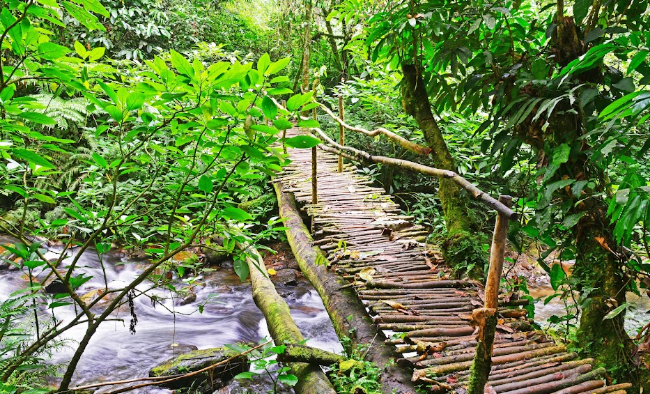
Although most trekking companies provide packed lunches, you should always carry enough drinking water to stay hydrated throughout your hike.
Experts generally recommend carrying at least two liters of water per person. Trekking at higher elevations combined with physical exertion can quickly lead to dehydration.
Energy-rich snacks such as trail mix, protein bars, nuts, bananas, or dried fruit provide extra fuel during longer hikes.
Capturing photographs of mountain gorillas is one of the highlights of the entire experience.
Bring a quality camera with a fully charged battery and enough memory cards to accommodate hundreds of photos.
Many photographers prefer cameras with zoom lenses, although the gorillas often approach surprisingly close, making moderate zoom lenses sufficient.
Flash photography is not allowed because it may disturb the gorillas. Familiarize yourself with your camera’s low-light settings before your trip since the forest canopy creates dim lighting conditions.
Although the main objective is gorilla trekking, Uganda’s forests are home to numerous bird species, monkeys, butterflies, and other fascinating wildlife.
Compact binoculars can greatly enhance your wildlife viewing experience while hiking through the forest.
Personal health items should never be overlooked when preparing for your safari.
Rainforests naturally contain mosquitoes and other biting insects. Apply insect repellent before beginning your trek and carry a small bottle for reapplication if necessary.
Products containing DEET or other proven active ingredients generally provide the best protection.
Although much of the trek occurs beneath forest cover, you may spend time in open areas before or after the hike where sun exposure can be significant.
A high-SPF sunscreen protects your skin throughout the day.
Always carry any prescription medication you require, along with basic pain relievers, blister treatment, and adhesive bandages.
Individuals with allergies should also carry appropriate emergency medication.
Walking sticks are extremely helpful on steep or slippery terrain.
Most national parks provide complimentary walking sticks at the trekking briefing, but some hikers prefer bringing their own adjustable trekking poles for additional comfort and familiarity.
These poles reduce pressure on the knees during downhill sections while improving overall balance.
Before leaving your lodge, ensure you have all required travel documents readily available.
These include:
Keeping digital copies on your phone and printed copies in a waterproof pouch provides extra security.
Uganda’s mountain forests experience unpredictable weather throughout the year.
Morning temperatures can be cool, afternoons warm, and sudden rain showers may occur without warning. Dressing in lightweight layers allows you to adapt easily as weather conditions change.
Moisture-wicking clothing combined with waterproof outer layers provides the greatest flexibility for changing temperatures.
Although not essential, several additional items can make your experience even more enjoyable.
A small microfiber towel helps dry your hands after rain or muddy sections. Lip balm prevents dry lips at higher elevations, while reusable zip-lock bags keep electronics safe from moisture.
Portable power banks are particularly useful if you plan to take many photographs or videos throughout your safari.
Successful gorilla trekking packing also means knowing what to leave behind.
Avoid carrying unnecessary valuables, heavy luggage, large suitcases, or expensive jewelry. These items only add weight or create unnecessary concern during your trek.
Strong perfumes and scented lotions should also be avoided because they may attract insects.
If this is your first gorilla trekking adventure, begin preparing several weeks before departure. Test your hiking boots during practice walks and organize your equipment well in advance rather than packing at the last minute.
Packing light while including every essential item creates the ideal balance between comfort and practicality. Remember that professional porters are available for hire and can carry your backpack while also supporting local communities.
Most importantly, maintain realistic expectations. Gorilla trekking is an adventure, not a luxury walk. Muddy boots, wet clothes, and challenging trails are all part of the experience, making the final encounter with the mountain gorillas even more rewarding.
In conclusion; Preparing the perfect gorilla trekking packing list is one of the smartest ways to ensure an enjoyable and stress-free safari. From sturdy hiking boots and waterproof clothing to cameras, snacks, and personal essentials, every item you pack contributes to a safer and more comfortable journey through Africa’s remarkable mountain forests.
Whether you are planning your first gorilla trekking adventure or returning for another unforgettable safari, contact Haven Expeditions for careful preparation as it is key to making the most of this once-in-a-lifetime wildlife experience.

Ready to explore the wild beauty of Africa? Tell us your travel interests below and our safari experts will respond to provided email within 2 minutes & absolutely free.


