
Gorilla trekking is one of Africa’s most unforgettable wildlife experiences. Walking through dense tropical forests to meet endangered mountain gorillas in their natural habitat is both exciting and rewarding. However, many first-time travelers often ask one important question: How fit do you need to be for gorilla trekking?
The good news is that you do not need to be a marathon runner or professional athlete to enjoy this incredible adventure. People of different ages and fitness levels successfully complete gorilla treks every day in Uganda and Rwanda. What matters most is having a reasonable level of endurance, preparing well before your trip, and understanding what to expect on trekking day.
This guide explains everything you need to know about gorilla trekking fitness, including the physical demands, training tips, health considerations, and practical advice to help you confidently prepare for your once-in-a-lifetime encounter.
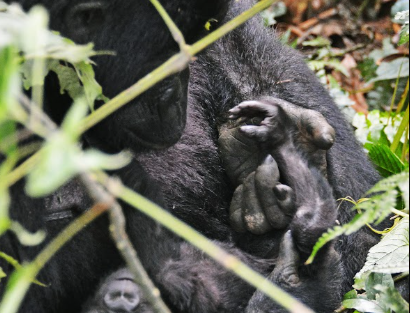
When discussing gorilla trekking fitness, it’s important to remember that every trek is different. Mountain gorillas are wild animals that move freely within the forest, meaning their location changes daily.
Some trekking groups may locate gorillas after just 30 minutes of walking, while others may hike for five or even six hours before reaching the gorilla family.
Several factors influence the difficulty of your trek, including: The location of the gorilla family, Terrain conditions, Weather, Forest density, Elevation and Your personal pace
Because each day is different, park authorities cannot predict exactly how challenging your trek will be.
Good gorilla trekking fitness doesn’t mean being extremely athletic, it simply means being physically prepared to enjoy the experience safely.
During a typical trek, you may encounter: Steep hills, Muddy trails, Thick vegetation, Uneven forest floors, River crossings, High altitudes
Maintaining a moderate level of fitness helps you:
The better prepared you are physically, the more enjoyable your trekking experience will be.
Most gorilla trekking takes place in mountainous forests with elevations ranging between approximately 1,200 and 2,600 meters above sea level.
Some sections require climbing steep slopes using walking sticks or grabbing tree roots for support. Descending can sometimes be even more challenging because muddy paths become slippery after rainfall.
Strong leg muscles and good balance make these sections much easier.
Guides often use machetes to clear paths through dense vegetation. This requires stepping over roots, ducking beneath branches, and navigating uneven ground.
Flexibility and coordination are surprisingly helpful during these moments.
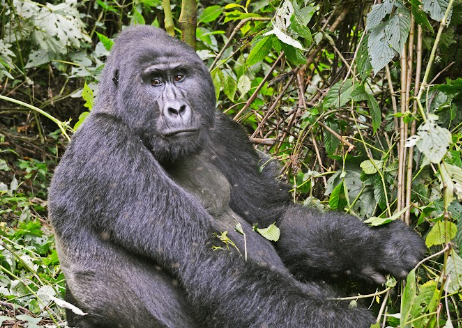
One of the biggest concerns for travelers is the amount of walking involved.
The answer varies considerably.
A typical trekking day includes: Hiking between 2 and 15 kilometers, Walking for 2–6 hours, One unforgettable hour with the gorillas and Returning along the same or a different route
Although the distance may not seem extreme, the challenging terrain makes the hike more demanding than a normal countryside walk.
Many first-time hikers successfully complete gorilla treks every year.
If you rarely hike, don’t worry.
You can improve your gorilla trekking fitness with a few weeks of preparation.
Begin by:
Even simple lifestyle changes can make a noticeable difference.
Preparing several weeks before your safari will help your body adapt to longer hikes.
Walking remains the single best preparation.
Aim for:
Gradually increase both speed and distance.
If possible, include hills in your workouts.
Walking uphill strengthens: Calves, Hamstrings, Quadriceps and Glutes
These muscles are heavily used during gorilla trekking.
Stair climbing closely mimics mountain hiking.
Practice climbing stairs continuously for 15–30 minutes several times each week.
Focus on exercises that improve lower-body strength.
Examples include:
A stronger core improves stability on uneven trails.
Activities like:
help build endurance for longer hikes.
Altitude affects everyone differently.
Because trekking occurs in mountain forests, some visitors experience:
Most people adapt quickly.
To minimize altitude effects:
Your guide will ensure the group moves at a manageable speed.
Age alone does not prevent anyone from enjoying gorilla trekking.
Many visitors in their 60s, 70s, and even 80s have successfully completed gorilla treks.
What matters more than age is:
If you have concerns, consult your doctor before traveling.
Having mobility challenges does not necessarily mean missing out.
Several parks offer sedan chairs or stretchers carried by trained porters for visitors unable to complete the trek independently.
These services allow travelers with disabilities, injuries, or reduced mobility to experience gorilla trekking safely.
Advance booking is highly recommended.
One of the smartest decisions many visitors make is hiring a porter.
Porters help by:
Hiring a porter is affordable while also supporting local communities.
Even physically fit trekkers often appreciate the extra assistance.
Your physical preparation works best when combined with appropriate gear. Proper footwear alone can dramatically improve comfort and reduce fatigue.
Preparing your body goes beyond exercise.
Several healthy habits contribute to successful trekking.
Drink plenty of water before and during your trek.
Dehydration increases fatigue and muscle cramps.
A balanced breakfast provides energy for several hours of hiking.
Choose foods rich in:
A good night’s rest improves both physical performance and mental focus.
Many people overlook the psychological aspect of trekking.
The hike may become physically demanding, especially if rain creates slippery conditions.
Maintaining a positive attitude helps tremendously.
Remember:
Patience and determination are just as valuable as physical fitness.
Rain increases the difficulty of trekking.
Trails become:
During wet months:
Although the hike may require more effort, the forests become incredibly lush and beautiful.
Avoid these common errors before your safari:
Even a few weeks of training make trekking easier.
Always break in hiking boots before your trip.
Keep your backpack light.
Start slowly and conserve energy.
Drink water consistently throughout the hike.
Absolutely.
Thousands of ordinary travelers complete gorilla trekking every year.
You do not need:
Instead, you need:
Professional guides adjust the trekking pace according to the group’s abilities.
Preparing for gorilla trekking is far less intimidating than many people imagine. While the experience involves hiking through mountainous forests over uneven terrain, most travelers with average health and moderate fitness successfully complete the trek each year.
Improving your gorilla trekking fitness through regular walking, hill training, strength exercises, and cardiovascular workouts can significantly enhance your comfort and confidence on trekking day. Equally important are practical preparations such as wearing proper hiking boots, staying hydrated, hiring a porter if needed, and maintaining a positive attitude throughout the journey.
Remember that gorilla trekking is not a race. Experienced guides carefully manage the pace, provide assistance where necessary, and prioritize the safety of every visitor. Whether you’re an experienced hiker or embarking on your first adventure, good preparation will help you focus on what truly matters the unforgettable moment of standing just a few meters away from a family of majestic mountain gorillas in their natural habitat.
With thoughtful planning and realistic expectations, you’ll discover that the physical effort is a small price to pay for one of the world’s most extraordinary wildlife encounters.

Ready to explore the wild beauty of Africa? Tell us your travel interests below and our safari experts will respond to provided email within 2 minutes & absolutely free.


