
Gorilla trekking is one of the most remarkable wildlife experiences on earth. It allows you to walk deep into ancient rwanda packing list and come face-to-face with endangered mountain gorillas in their natural habitat. Whether you are trekking in Uganda or Rwanda, the journey is physically demanding, emotionally rewarding, and deeply immersive. However, the success of your experience depends heavily on preparation—especially what you pack. The forests of Bwindi Impenetrable National Park, Volcanoes National Park, and Mgahinga Gorilla National Park are humid, unpredictable, and often muddy. Without proper gear, even a short trek can become uncomfortable.
This detailed guide breaks down everything you need to pack, why it matters, and how to prepare for one of Africa’s greatest adventures.
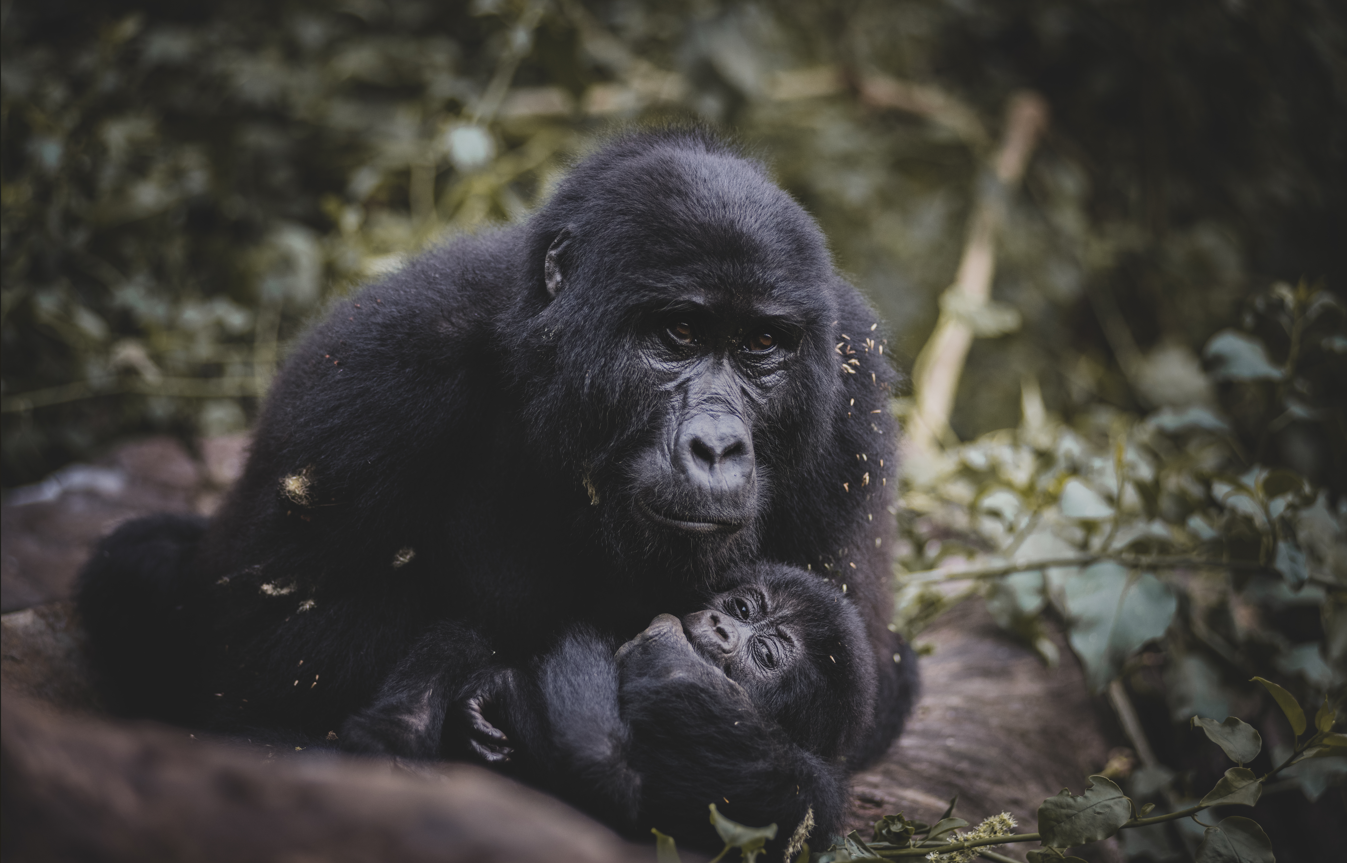
Before packing, it is important to understand the environment you are stepping into. Gorilla habitats are typically located in high-altitude rainforests. These areas are characterized by:
Because gorillas move freely in the wild, trackers must locate them each day. This means your trek could be short and easy—or long and challenging depending on their location.
Proper packing ensures you are ready for any scenario.
Clothing is one of the most critical aspects of your packing list. The goal is protection, comfort, and adaptability.
Lightweight, breathable clothing is essential. Long sleeves and trousers protect you from:
Avoid jeans or heavy fabrics—they absorb water and become uncomfortable when wet.
Earth-toned colors like green, brown, or beige are recommended to blend into the forest environment and avoid attracting attention from insects.
Rain can fall at any time, even during the dry season. A lightweight waterproof jacket keeps you dry without adding excessive weight. Ponchos are also useful for sudden downpours.
Early mornings at higher altitudes can be cold, especially in Volcanoes National Park. A fleece jacket or warm sweater is important for comfort before and after the trek.
A wide-brim hat helps protect you from rain and sun, while a neck buff or scarf can protect against dust and insects.
Your footwear can determine how enjoyable your trek will be.
Sturdy, waterproof hiking boots are non-negotiable. Look for:
Avoid new boots on your trekking day. Always break them in beforehand to prevent blisters.
Carry at least two pairs of thick, moisture-wicking socks. They help prevent blisters and keep your feet warm and dry in wet conditions.
Gaiters protect your boots and legs from mud, insects, and water entering from the top. They are especially useful in muddy sections of Bwindi and Mgahinga.
You will need a small, comfortable backpack to carry essential items during the hike.
Hydration is crucial. Carry at least 1.5–2 liters of water. Trekking can be physically demanding due to steep slopes and humidity.
Pack lightweight, high-energy snacks such as:
These help maintain energy during long treks.
A waterproof cover or dry bag liner is essential to protect electronics and clothing from sudden rain.
Some tour operators provide packed lunches. Ensure they are compact and easy to carry.
Light gardening or hiking gloves are extremely useful. They protect your hands when:
A walking stick is often provided at park headquarters. It helps with balance on slippery and uneven trails.
While gorillas are the highlight, forests are home to birds, monkeys, and other wildlife. Binoculars enhance your overall experience.
Photography is allowed, but rules are strict:
Gorilla trekking involves remote forest environments, so health preparation is essential.
Protects against mosquitoes and other biting insects common in tropical forests.
Even in forest conditions, UV exposure can be strong at higher altitudes.
Useful before eating snacks or after touching surfaces during the trek.
Include:
Without proper documentation, you cannot access gorilla trekking areas.
A valid gorilla trekking permit is required and should be secured in advance through licensed operators.
Used for identification at park entry points.
Ensure it covers trekking, hiking, and wildlife activities.
Gorilla trekking is a dream for photographers, but the conditions are challenging.
Protects equipment from moisture and rain.
Cold and humid conditions drain batteries faster than usual.
Always carry extra storage space for unexpected photo opportunities.
Knowing what to leave behind is just as important as what to bring:
The lighter you travel, the easier your trek will be.
Although this is not a physical item, preparation plays a big role in your success.
You don’t need to be an athlete, but basic fitness helps. Walking, hiking, or climbing stairs before your trip can improve stamina.
Gorilla trekking is unpredictable. You may walk for hours before finding the gorillas, but patience is always rewarded with an unforgettable encounter.
Hiring a porter is highly recommended in parks like Bwindi and Volcanoes National Park. Porters help:
This small contribution also enhances your trekking experience significantly.
Here is a simplified summary for quick reference:
Clothing
Gear
Health
Documents
Gorilla trekking is one of the most powerful wildlife experiences in the world. Standing just meters away from a mountain gorilla family in the misty forests of Bwindi Impenetrable National Park or the volcanic landscapes of Volcanoes National Park is something few people ever forget.
However, the difference between a difficult trek and a life-changing adventure lies in preparation. By packing the right clothing, equipment, and essentials, you ensure comfort, safety, and full enjoyment of the journey.
With proper planning and respect for nature, your gorilla trekking experience in Uganda or Rwanda will not just be a trip—it will be a memory that lasts a lifetime.

Ready to explore the wild beauty of Africa? Tell us your travel interests below and our safari experts will respond to provided email within 2 minutes & absolutely free.


