Is There a Discount for Low Season Gorilla Permits in Uganda?
Gorilla trekking in East Africa is one of the most unforgettable wildlife experiences on the continent. Uganda, home to a significant portion of the world’s remaining mountain gorillas, offers travelers a rare opportunity to encounter these gentle giants in their natural habitat. Most treks take place in protected rainforests such as Bwindi Impenetrable Forest, a UNESCO World Heritage Site known for its dense vegetation, rich biodiversity, and challenging terrain.
One of the most frequently asked questions by travelers planning a gorilla safari is whether there are discounts available for gorilla permits during the low season. The answer is yes—Uganda, through the Uganda Wildlife Authority, offers reduced permit prices during specific months of the year to encourage tourism during quieter periods.
In this blog, we explore everything you need to know about low season gorilla permit discounts in Uganda, including pricing, timing, advantages, and how to plan your safari effectively.
Understanding Gorilla Permits in Uganda
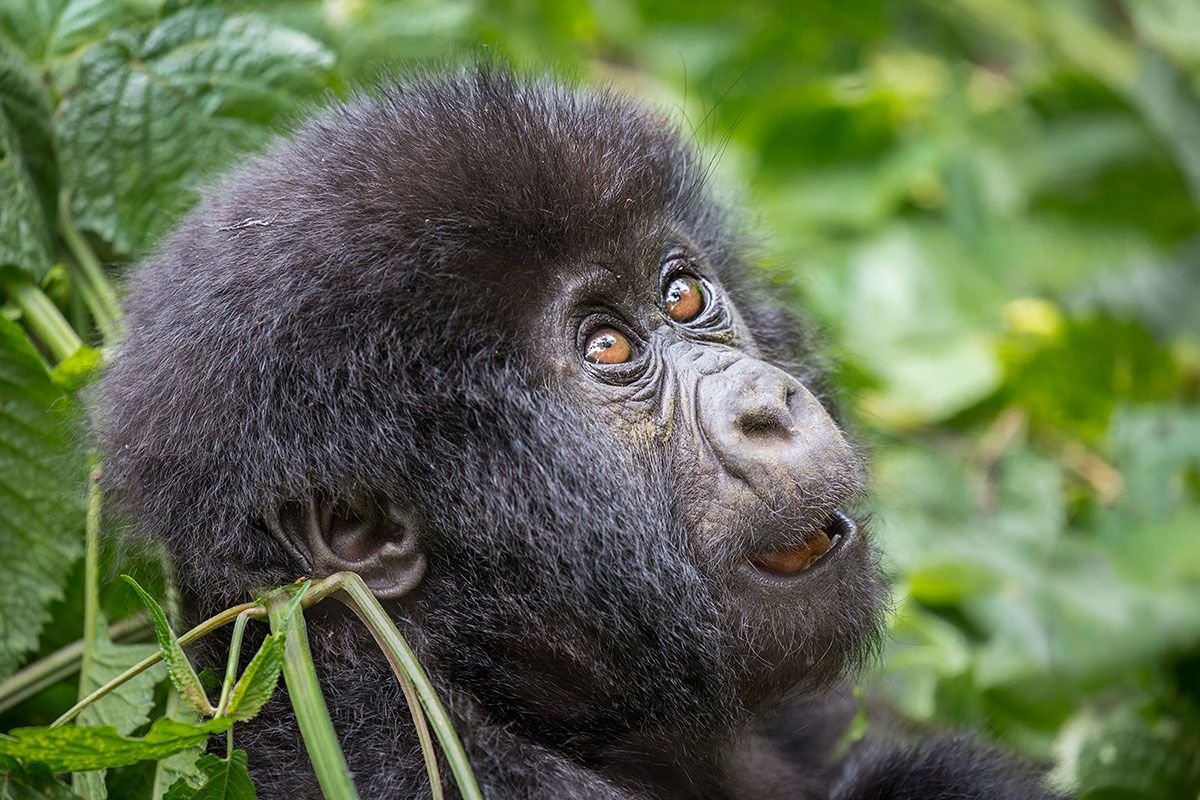
A gorilla permit is an official document issued by the Uganda Wildlife Authority that allows visitors to track and spend time with a habituated gorilla family. Each permit grants one hour in the presence of a gorilla group, under the guidance of experienced rangers and trackers.
Permit fees are used to support conservation efforts, protect gorilla habitats, fund anti-poaching activities, and support local communities living near national parks.
Uganda’s gorilla trekking destinations are primarily located in:
- Bwindi Impenetrable Forest
- Mgahinga Gorilla National Park
These parks are among the few places in the world where mountain gorillas can be observed in the wild.
Gorilla Permit Pricing in Uganda
Uganda has a structured pricing system for gorilla permits, which varies depending on the season:
- High (Peak) Season: Typically around $800 per permit
- Low (Off-Peak) Season: Reduced to approximately $600 per permit
The low season discount is designed to encourage more visitors during months when tourism demand is lower.
This reduction makes Uganda one of the more flexible gorilla trekking destinations compared to neighboring countries, while still maintaining strong conservation funding.
When Is the Low Season for Gorilla Trekking?
The low season in Uganda generally corresponds with the rainy months, when trekking conditions can be more challenging due to wet and muddy trails.
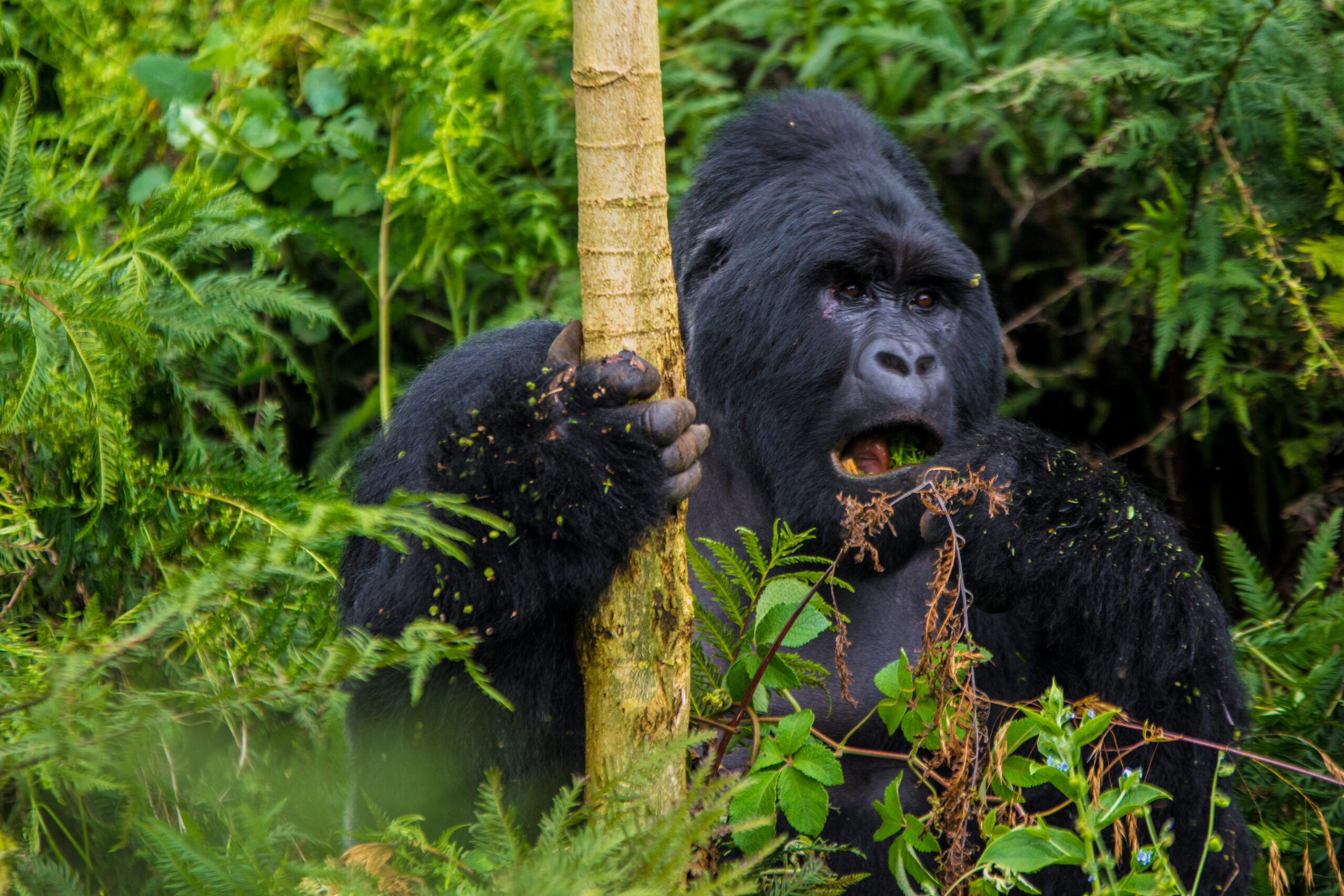
The typical low seasons are:
- March to May (long rains)
- October to November (short rains)
During these periods:
- Forest trails may be slippery
- Rain showers are more frequent
- Visibility can sometimes be reduced
- Fewer tourists are traveling
However, these conditions do not prevent gorilla trekking—in fact, many travelers still visit during this time and benefit from fewer crowds and discounted permits.
Why Uganda Offers Low Season Discounts
The discounted gorilla permits serve several purposes:
1. Boost Tourism During Quiet Periods
By reducing permit prices, Uganda attracts travelers who are flexible with their travel dates.
2. Spread Visitor Numbers More Evenly
Instead of concentrating tourists during peak months, discounts help distribute visitation throughout the year.
3. Support Conservation Year-Round
Even during low season, revenue from permits continues to fund conservation programs and community initiatives.
4. Encourage Accessibility
Lower prices make gorilla trekking more accessible to a wider range of travelers, including budget-conscious adventurers.
Advantages of Booking Gorilla Permits in Low Season
While some travelers prefer dry season conditions, the low season offers unique advantages that are often overlooked.
1. Lower Costs
The most obvious benefit is the reduced permit fee of $600, saving $200 compared to peak season.
2. Fewer Tourists
With fewer visitors in the parks, trekking groups tend to feel more exclusive and less crowded.
3. Greater Lodge Availability
Accommodation is easier to secure, and many lodges offer discounted rates during low season.
4. More Flexible Itineraries
Tour operators often have more flexibility in arranging customized safari experiences.
5. Lush Green Landscapes
The rainforest becomes incredibly vibrant and photogenic after rainfall, creating beautiful scenery for photography.
Challenges of Low Season Gorilla Trekking
While the low season has benefits, travelers should also be prepared for certain challenges:
1. Muddy and Slippery Trails
Rain can make hiking conditions more demanding, especially in steep areas.
2. Unpredictable Weather
Rain showers can occur at any time, so proper gear is essential.
3. Longer Trekking Times
Gorilla families may move deeper into the forest, requiring longer hikes to locate them.
4. Limited Visibility
Mist and rain may affect visibility in the forest.
Despite these challenges, many travelers still describe the experience as rewarding and memorable.
What to Expect During Gorilla Trekking
A typical gorilla trekking experience in Uganda includes the following steps:
1. Briefing at the Park Headquarters
Early in the morning, visitors gather for a safety briefing. Rangers explain trekking rules, group assignments, and what to expect.
2. Assignment to a Gorilla Group
Trekking groups are assigned to specific gorilla families based on fitness level and location.
3. Trekking into the Forest
Accompanied by guides and armed rangers, visitors hike through dense rainforest terrain while tracking signs of gorillas such as footprints, nests, and dung.
4. Encounter with Gorillas
Once located, visitors spend up to one hour observing the gorillas as they feed, rest, and interact.
5. Return Journey
After the encounter, trekkers return to the starting point and receive a trekking certificate.
Who Should Consider Low Season Gorilla Trekking?
Low season trekking is ideal for:
- Budget-conscious travelers
- Photographers seeking lush landscapes
- Repeat visitors looking for a quieter experience
- Travelers with flexible schedules
- Adventure seekers comfortable with challenging conditions
If you prefer fewer crowds and lower costs over perfect weather, low season is an excellent choice.
How to Plan for a Low Season Gorilla Safari
Planning is key to making the most of your gorilla trekking experience. Here are important steps to consider:
1. Book Permits in Advance
Even during low season, permits can sell out. It is advisable to secure them early through a trusted tour operator.
2. Choose the Right Accommodation
Select lodges near Bwindi Impenetrable Forest to reduce travel time and improve convenience.
3. Pack Appropriately
Essential items include:
- Waterproof hiking boots
- Rain jacket or poncho
- Long-sleeved clothing
- Gloves for handling vegetation
- A walking stick (often provided)
- Insect repellent
4. Prepare Physically
Gorilla trekking can be physically demanding. Moderate fitness is recommended.
5. Travel with an Experienced Operator
Working with a local Ugandan tour operator ensures smooth logistics, proper guidance, and reliable support throughout your trip.
Conservation and Responsible Tourism
Gorilla trekking is not just a tourist activity—it is a vital conservation effort. Each permit contributes directly to protecting gorillas and supporting surrounding communities.
Responsible tourism practices include:
- Maintaining a safe distance from gorillas
- Avoiding direct eye contact or sudden movements
- Not visiting if you are sick
- Following ranger instructions at all times
- Minimizing environmental impact
By participating in gorilla trekking, travelers contribute to one of Africa’s most successful conservation stories.
Why Uganda Is a Top Gorilla Trekking Destination
Uganda stands out as one of the best destinations for gorilla trekking due to:
- A large population of mountain gorillas
- Multiple habituated gorilla families
- Diverse trekking experiences
- Accessibility and infrastructure
- Opportunities to combine gorilla trekking with other safaris
In addition to gorilla trekking, visitors can explore wildlife parks, cultural experiences, and scenic landscapes across the country.
Combining Gorilla Trekking with a Full Safari Experience
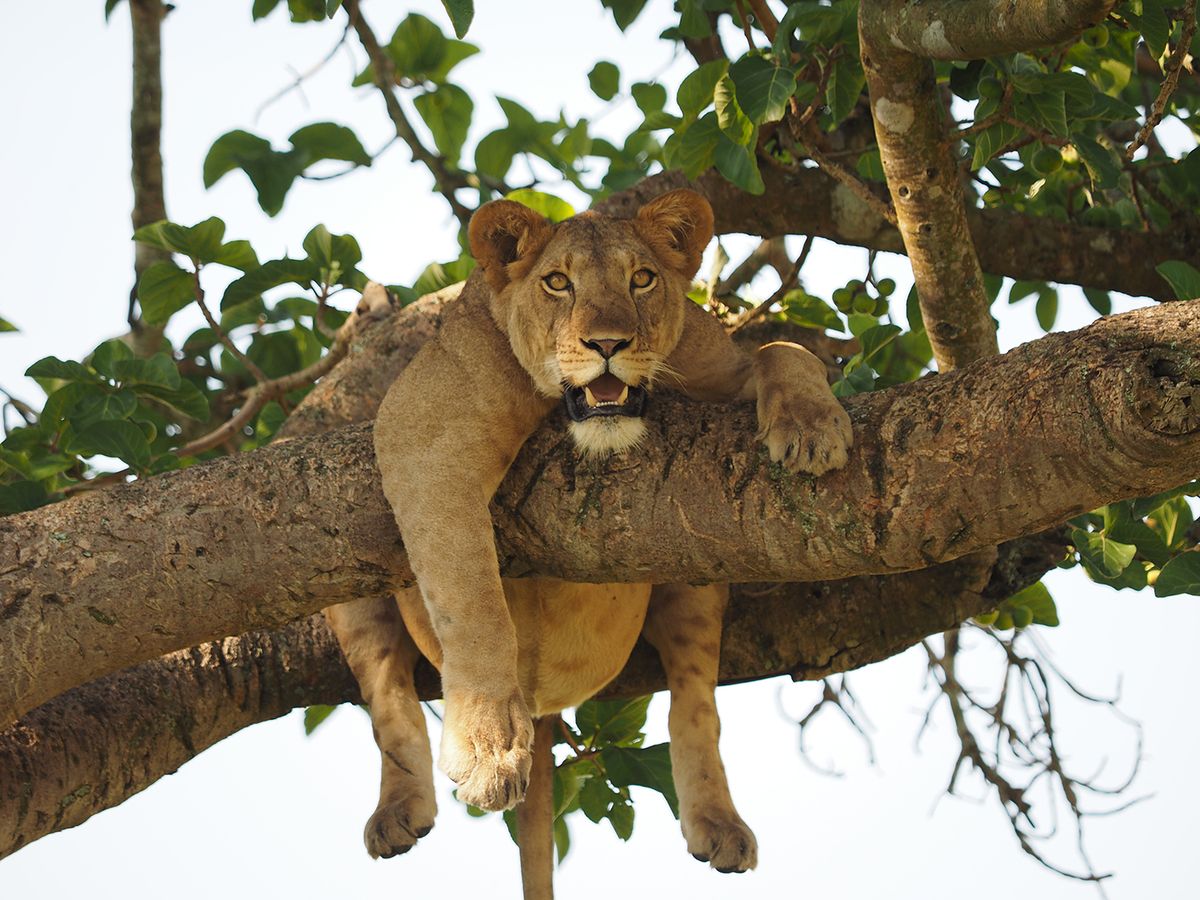
Many travelers choose to combine gorilla trekking with other destinations in Uganda such as:
- Wildlife safaris in savannah parks
- Boat cruises on major rivers and lakes
- Chimpanzee tracking experiences
- Cultural visits to local communities
This creates a well-rounded East African adventure that goes beyond gorilla trekking alone.
Lastly, Yes, Uganda does offer discounted gorilla permits during the low season, reducing the cost from approximately $800 to $600. This initiative makes gorilla trekking more accessible while maintaining strong conservation funding.
Low season trekking comes with a mix of advantages and challenges. While weather conditions may be less predictable, the benefits of lower prices, fewer crowds, and lush landscapes make it an appealing option for many travelers.
Whether you choose peak or low season, gorilla trekking in Uganda remains one of the most powerful wildlife experiences in the world. With proper planning and guidance, your journey into the forests of Bwindi Impenetrable Forest can become a once-in-a-lifetime adventure.
For travelers seeking expert guidance, personalized itineraries, and seamless safari arrangements, working with a trusted local operator like Haven Expeditions ensures that every detail of your journey is handled professionally, allowing you to focus on the experience itself. Book Now!