
Uganda has earned a reputation as one of Africa’s most rewarding safari destinations, choosing best time to visit Uganda for wildlife safaris offers visitors an incredible combination of breathtaking landscapes, abundant wildlife, diverse birdlife, and unforgettable primate encounters. Often referred to as the “Pearl of Africa,” Uganda provides experiences that few destinations can match from trekking endangered mountain gorillas in mist-covered forests to witnessing tree-climbing lions relaxing in ancient fig trees and cruising alongside hippos on the Nile River.
The good news is that Uganda is a year-round safari destination. Every season offers unique advantages depending on your travel interests, budget, and preferred wildlife experiences. Whether your dream is gorilla trekking in Bwindi Impenetrable National Park, spotting elephants in Queen Elizabeth National Park, or photographing giraffes in Murchison Falls National Park, knowing the best time visit Uganda will help you maximize every moment of your adventure.
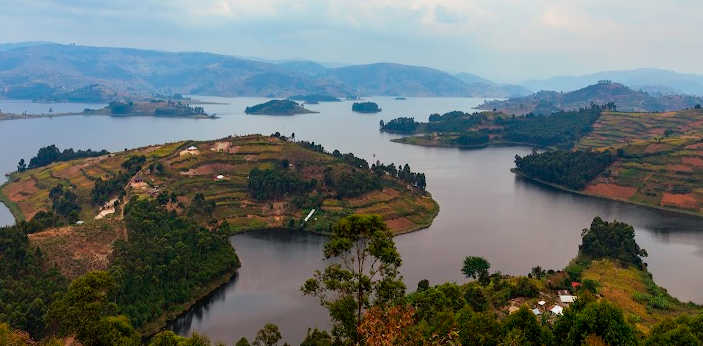
Unlike many African countries that experience extreme seasonal changes, Uganda enjoys a pleasant tropical climate moderated by its altitude. Temperatures remain relatively stable throughout the year, averaging between 20°C and 30°C in most regions.
Instead of four distinct seasons, Uganda experiences two dry seasons and two rainy seasons. These seasonal changes influence wildlife viewing, road conditions, vegetation density, and trekking experiences.
The major dry season runs from June to September, while a shorter dry period occurs from December through February. The rainy seasons generally fall between March and May and again from October to November.
Although wildlife can be seen throughout the year, understanding these seasonal patterns helps determine the best time visit Uganda according to your travel goals.
For many travelers, the dry season represents the ideal period for exploring Uganda’s national parks.
Between June and September, rainfall decreases significantly, making roads easier to navigate and hiking trails much less slippery. This period is especially popular among international tourists because wildlife viewing conditions are at their peak.
As water sources become limited, animals gather around rivers, lakes, and watering holes, making them easier to locate during game drives. Vegetation also becomes less dense, improving visibility for photographers and wildlife enthusiasts.
This period is widely regarded as the best time visit Uganda for first-time safari travelers seeking comfortable weather and reliable wildlife sightings.
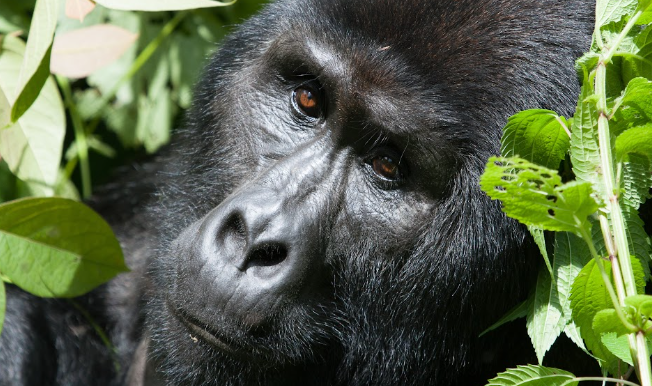
One of Uganda’s greatest attractions is mountain gorilla trekking.
The forests of Bwindi Impenetrable National Park and Mgahinga Gorilla National Park remain lush throughout the year, but trekking conditions vary considerably depending on rainfall.
During the dry months, forest trails become firmer, reducing the physical challenge of hiking through steep terrain. Although gorilla trekking always requires a reasonable level of fitness, dry conditions make the experience much more manageable.
Photographers also benefit from better lighting conditions and clearer forest paths, increasing opportunities to capture stunning images of these magnificent primates.
For travelers planning their once-in-a-lifetime gorilla encounter, the dry season is often considered the best time visit Uganda.
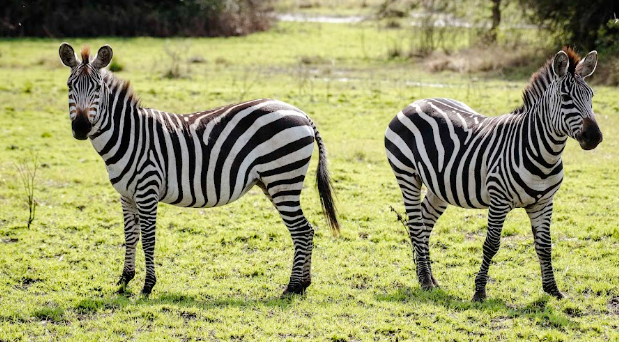
Uganda’s national parks host an astonishing variety of wildlife, including elephants, lions, leopards, buffaloes, giraffes, zebras, antelopes, crocodiles, hippos, and over 1,000 bird species.
During the dry season, game drives become particularly rewarding because animals concentrate near permanent water sources.
In Queen Elizabeth National Park, visitors frequently observe elephants grazing across the Kasenyi Plains while lions search for prey nearby. The famous tree-climbing lions of the Ishasha sector are also easier to locate during favorable weather conditions.
Murchison Falls National Park offers spectacular sightings of giraffes, elephants, hartebeests, and numerous predators roaming open savannah landscapes.
Kidepo Valley National Park, one of Africa’s hidden safari gems, becomes especially accessible during the dry months, allowing visitors to experience its untouched wilderness. These factors make the dry season the best time visit Uganda for classic African wildlife safaris.
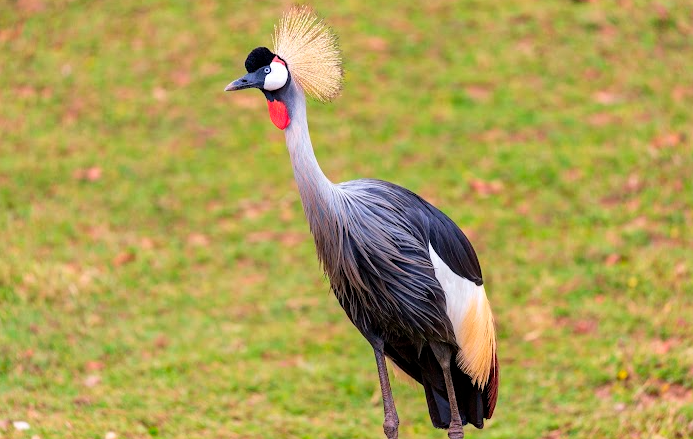
Uganda is one of Africa’s premier birdwatching destinations.
With more than 1,000 recorded bird species, including the iconic Shoebill Stork, the country attracts bird enthusiasts from around the world.
Interestingly, birdwatchers often prefer the wetter months because migratory birds arrive from Europe and northern Africa between November and April.
During this period, forests become greener, wetlands flourish, and bird activity increases dramatically.
While game viewing may be slightly more challenging due to thicker vegetation, birdwatching reaches its peak, making the rainy season the best time visit Uganda for avid bird lovers.
Many travelers overlook Uganda’s rainy seasons, but these months offer remarkable benefits and the landscape transforms into vibrant shades of green, rivers flow at full strength, and waterfalls become particularly impressive.
Fewer tourists visit during these months, creating a quieter and more intimate safari experience. Lodges often reduce their accommodation rates, allowing travelers to enjoy luxury safaris at more affordable prices.
Photography enthusiasts also appreciate the dramatic skies, lush scenery, and vibrant colors produced by seasonal rainfall.
Although occasional showers occur, they rarely last the entire day, allowing safari activities to continue with proper planning.
For budget-conscious travelers, the rainy months may actually represent the best time visit Uganda.
Many people mistakenly believe gorilla trekking should be avoided during rainy months.
In reality, trekking remains available throughout the year.
The primary difference is that trails become muddier and steeper sections require additional caution. However, rainfall often encourages gorilla families to remain at lower elevations where food is abundant, potentially reducing trekking distances.
The forests also appear exceptionally beautiful during this season, creating magical photography opportunities filled with mist and vibrant greenery.
With fewer visitors competing for permits, travelers often enjoy a more exclusive experience.
For adventurous visitors who don’t mind getting a little muddy, the rainy season can still be the best time visit Uganda.
Understanding Uganda month by month helps travelers plan more effectively.
January and February offer warm temperatures, dry conditions, and excellent wildlife viewing across the country.
March begins the first rainy season, bringing greener landscapes and lower accommodation prices.
April experiences heavier rainfall but rewards visitors with peaceful parks and stunning scenery.
May remains lush while rainfall gradually decreases toward the end of the month.
June marks the beginning of Uganda’s prime safari season, featuring ideal conditions for game drives and gorilla trekking.
July and August are among the busiest months due to consistently dry weather and outstanding wildlife viewing.
September continues offering excellent safari conditions before rainfall gradually returns.
October introduces the second rainy season with beautiful green landscapes.
November experiences moderate rainfall and excellent birdwatching opportunities.
December begins another dry period, making it an increasingly popular month for holiday safaris.
Each month has its own appeal, but many visitors still consider June through September the best time visit Uganda.
Every safari activity benefits from different seasonal conditions.
Game drives are most productive during dry months when animals gather near rivers and waterholes.
Boat cruises along the Kazinga Channel and the Nile River remain enjoyable year-round but often feature higher water levels during rainy seasons.
Chimpanzee trekking in Kibale Forest National Park is available throughout the year, although dry trails provide easier hiking conditions.
Nature walks, cultural tours, and mountain hiking also become more comfortable during periods of limited rainfall.
Ultimately, choosing the best time visit Uganda depends on which experiences matter most to you.
When planning your safari, several practical considerations should influence your decision.
Peak season means higher demand for accommodations and gorilla permits. Travelers visiting between June and September should reserve several months in advance to secure preferred lodges and trekking permits.
Budget travelers may find greater value during the rainy seasons when accommodation discounts become more common.
Road conditions in remote parks also improve significantly during dry weather, especially for self-drive visitors.
Packing appropriate clothing, waterproof gear, and sturdy hiking boots remains essential regardless of the season.
These considerations will help determine your personal best time visit Uganda.
One of Uganda’s greatest strengths is its year-round appeal.
Unlike destinations where wildlife disappears during certain seasons, Uganda consistently offers incredible safari experiences regardless of the month.
Mountain gorillas remain in the forests year-round.
Chimpanzees continue their daily routines in Kibale.
The savannah parks support thriving wildlife populations throughout every season.
Birdlife flourishes across wetlands, forests, and grasslands.
Whether you visit during the dry months for easier wildlife viewing or during the rainy season for lush scenery and lower costs, Uganda never disappoints.
Choosing the best time visit Uganda ultimately depends on your travel priorities. If your goal is comfortable weather, exceptional game viewing, and easier gorilla trekking, the dry seasons from June to September and December to February provide ideal conditions. These months offer excellent visibility, reliable wildlife sightings, and favorable trekking trails.
On the other hand, travelers seeking fewer crowds, vibrant landscapes, outstanding birdwatching, and more affordable safari packages may find the rainy seasons equally rewarding. The lush scenery, dramatic photography opportunities, and discounted accommodations create a unique safari experience that many visitors come to appreciate.
Regardless of when you choose to travel, Uganda promises unforgettable wildlife encounters, breathtaking natural beauty, and warm hospitality. From tracking endangered mountain gorillas through ancient rainforests to witnessing elephants roaming vast savannahs and cruising along wildlife-rich rivers, every journey reveals why Uganda remains one of Africa’s most extraordinary safari destinations.
If you’re planning your next African adventure with Haven Expeditions, understanding the best time visit Uganda will help you create memories that last a lifetime while ensuring you experience the very best that the Pearl of Africa has to offer.

Ready to explore the wild beauty of Africa? Tell us your travel interests below and our safari experts will respond to provided email within 2 minutes & absolutely free.


