Best Time for Rwanda Gorilla Trekking: A Complete Seasonal Guide
Introduction: Timing Your Journey to Meet Mountain Gorillas
Rwanda has firmly established itself as one of the world’s premier destinations for gorilla trekking, offering a rare and deeply moving opportunity to encounter the endangered mountain gorilla in its natural environment. Despite its relatively small size, Rwanda’s landscapes are breathtakingly diverse, dominated by rolling hills, mist-covered mountains, and dense rainforest ecosystems that feel almost untouched by time.
Most gorilla trekking experiences in Rwanda take place in Volcanoes National Park, a remarkable conservation area that forms part of the larger Virunga mountain range shared with Uganda and the Democratic Republic of the Congo. It is here, in this lush and biodiverse region, that travelers set out on guided treks in search of habituated gorilla families.
One of the most common and important questions travelers ask when planning this once-in-a-lifetime experience is simple: when is the best time to go gorilla trekking in Rwanda? The answer, however, is not entirely straightforward. The ideal time depends on several factors, including weather conditions, trekking difficulty, permit availability, budget, and personal travel preferences. Understanding how these elements change throughout the year will help you choose the timing that aligns perfectly with your expectations.
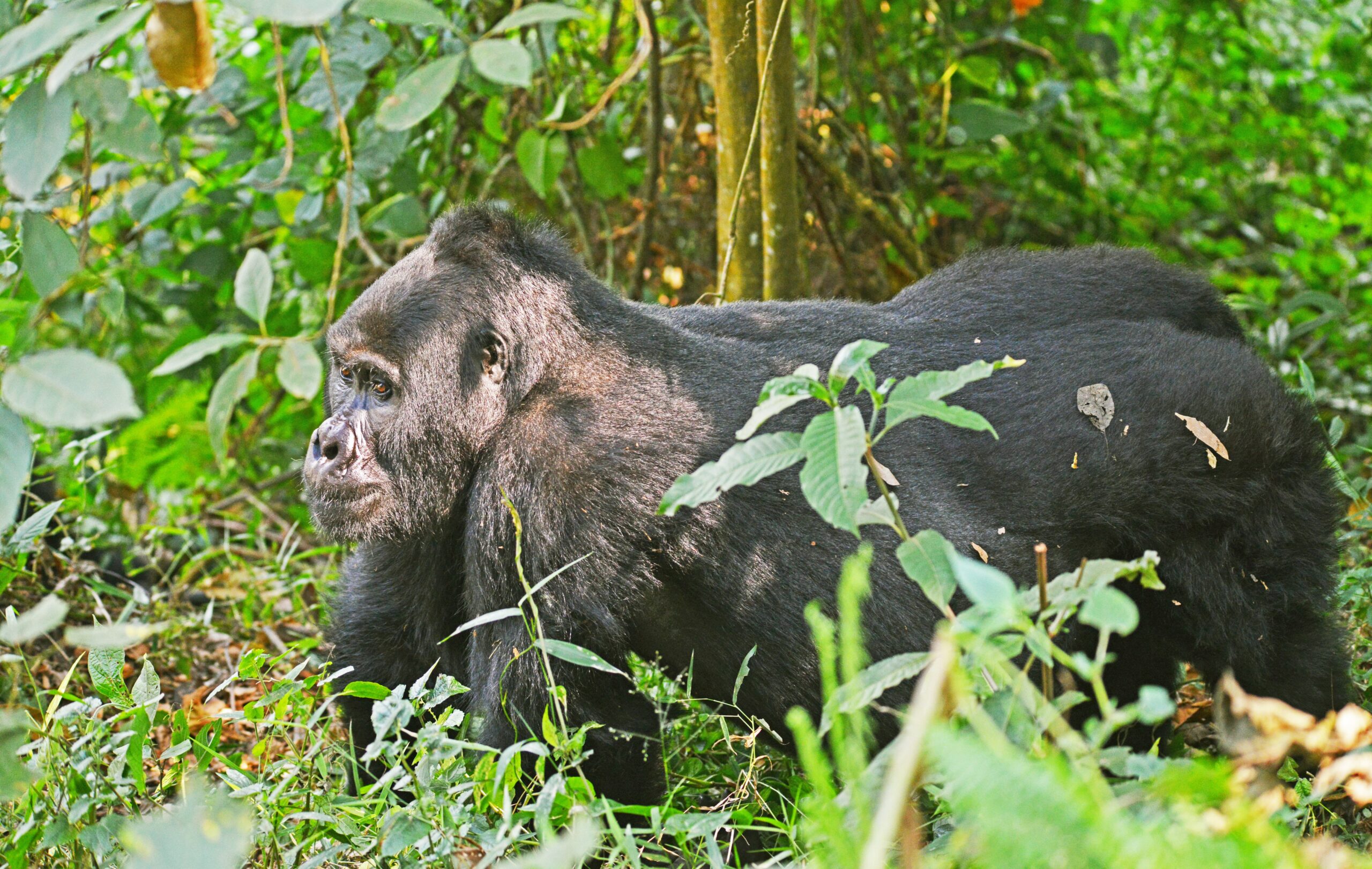
A gorilla hanging by its feet, looking at the world from a different perspective.
Understanding Rwanda’s Climate and Seasons
Rwanda’s climate is unique, largely influenced by its high altitude. Often referred to as the “Land of a Thousand Hills,” the country enjoys relatively moderate temperatures throughout the year, typically ranging between 15°C and 27°C. Unlike many equatorial destinations that experience extreme heat, Rwanda remains pleasantly mild, especially in mountainous areas where gorilla trekking takes place.
However, rainfall plays a significant role in shaping the trekking experience. Rwanda experiences two main dry seasons and two rainy seasons, and each of these brings its own advantages and challenges.
The dry seasons usually occur from mid-December to early February and from June to September. These periods are characterized by reduced rainfall, clearer skies, and generally more stable trekking conditions. On the other hand, the rainy seasons, which run from March to May and again from October to November, bring heavier showers that can transform forest trails into muddy and slippery paths.
Understanding these seasonal patterns is essential, as they directly influence not only the ease of trekking but also the overall atmosphere of your experience.
Dry Seasons: The Most Popular Time for Gorilla Trekking
For many travelers, the dry seasons are considered the best time to go gorilla trekking in Rwanda. These months offer conditions that are generally more comfortable and predictable, making them especially appealing for first-time visitors.
One of the main advantages of trekking during the dry season is the improved trail conditions. The paths within Volcanoes National Park can be steep and challenging even in good weather, but during drier months, the ground is firmer and less slippery. This makes hiking safer and less physically demanding, allowing trekkers to focus more on the experience rather than the difficulty of the terrain.
Visibility is another key benefit. With less rain, the forest is not as dense with moisture, and the chances of enjoying clear views of the gorillas are significantly higher. This is particularly important for photography, as better lighting and less obstructive foliage can make a noticeable difference in capturing those unforgettable moments.
Comfort also plays a major role. Reduced humidity and fewer rain showers mean you are less likely to spend hours trekking in wet clothing or dealing with muddy conditions. This can greatly enhance your overall enjoyment, especially if you are not accustomed to hiking in tropical environments.
However, these advantages come with a trade-off. The dry season, particularly from June to September, coincides with peak tourist demand. This means that gorilla trekking permits can sell out quickly, and accommodation prices tend to be higher. Planning well in advance is essential if you intend to travel during this period, as last-minute availability is rare.
Rainy Seasons: A Different but Rewarding Experience
While the rainy seasons are often overlooked, they offer a unique perspective on gorilla trekking that can be just as rewarding, if not more so, for the right kind of traveler.
Find the best time to see gorillas with Haven Expeditions for an unforgettable adventure.
One of the most noticeable differences during the rainy season is the reduced number of visitors. With fewer tourists in the parks, the experience can feel more personal and less crowded. For those seeking a quieter and more immersive encounter, this can be a significant advantage.
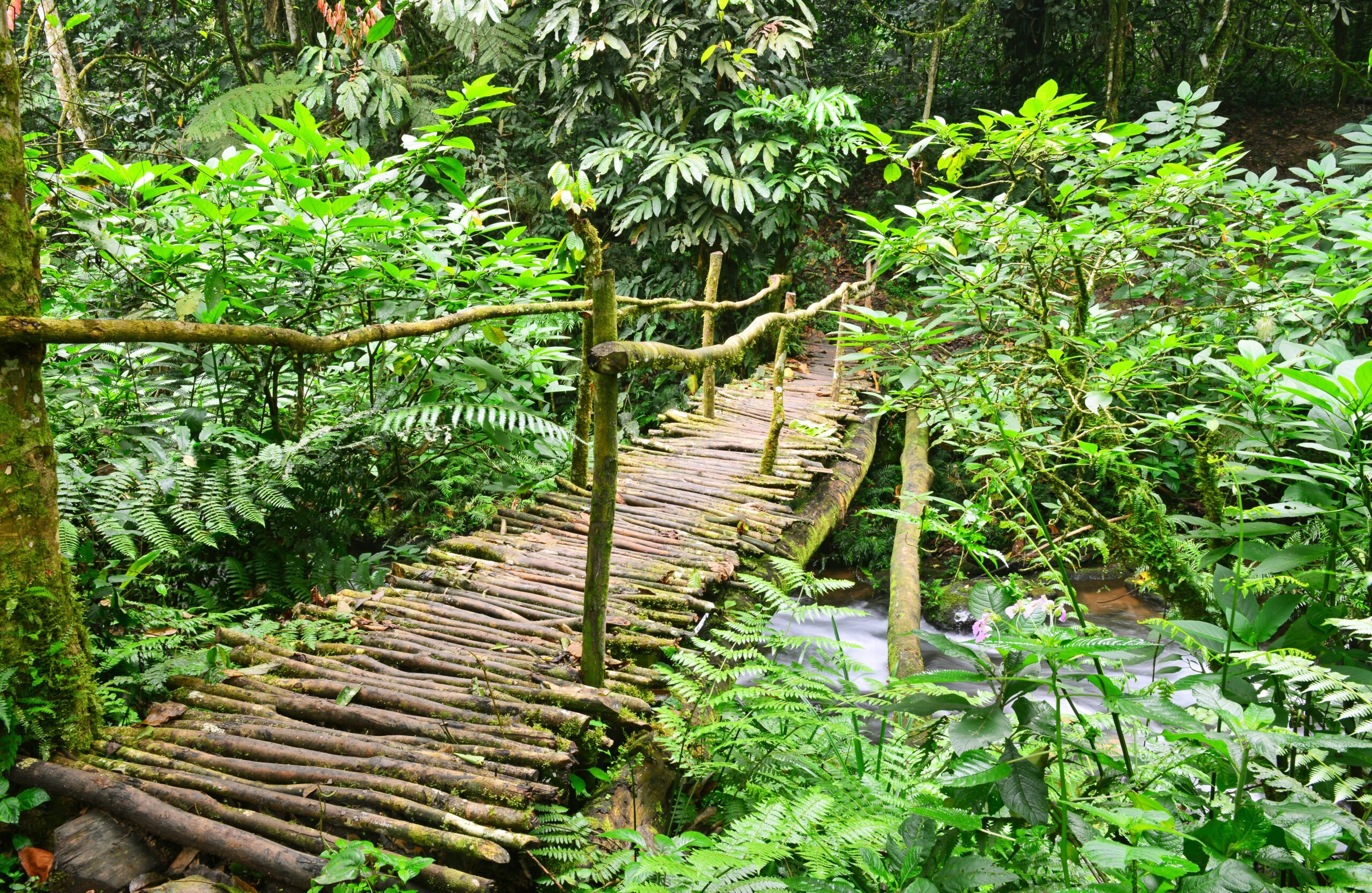
The landscape itself transforms during the rainy months. The forests become incredibly lush and vibrant, with rich shades of green dominating the scenery. For nature lovers and photographers who appreciate dramatic, atmospheric settings, this can be an ideal time to visit.
Interestingly, gorilla tracking can sometimes be easier during the rainy season. With an abundance of food available, gorilla families tend to remain closer to lower elevations, which may reduce the time spent trekking. While this is not guaranteed, it can occasionally result in shorter and less strenuous hikes.
There are, of course, challenges to consider. Trails can become muddy and slippery, requiring extra effort and caution. Rain showers may occur frequently, and visibility can be affected by thick vegetation. The long rainy season, particularly from March to May, is known for heavier rainfall and may be less suitable for those seeking a more comfortable trekking experience.
A Month-by-Month Perspective on Gorilla Trekking
Looking at Rwanda’s trekking conditions month by month can provide further clarity when planning your trip. The beginning of the year, particularly January and February, offers a short dry season with relatively favorable conditions and fewer crowds compared to the mid-year peak. This period strikes a balance between comfort and availability, making it an attractive option for many travelers.
From March to May, the long rainy season takes hold. During these months, trekking becomes more challenging due to consistent rainfall, but this is also when budget-conscious travelers may find better deals on accommodation and tour packages.
June through September marks the long dry season, widely regarded as the best overall time for gorilla trekking. Conditions are at their most favorable, but this is also when demand is at its highest.
October and November bring the short rainy season, offering mixed conditions that fall somewhere between the extremes of the long rainy and dry seasons. Finally, December signals the return of drier weather, along with increased demand as holiday travel begins.
Gorilla Trekking Permits: Why Timing Is Crucial
No matter when you choose to visit Rwanda, securing a gorilla trekking permit is a critical part of the planning process. These permits are issued by the Rwanda Development Board and are strictly limited to ensure the protection and conservation of gorilla populations.
Permits are typically priced at a premium, reflecting the exclusivity and conservation value of the experience. Because the number of permits available each day is limited, your travel dates will directly affect your ability to secure one. During peak seasons, permits can sell out months in advance, making early booking essential.
This limited availability is not a drawback but rather a reflection of Rwanda’s commitment to sustainable tourism. By controlling visitor numbers, the country ensures that gorilla trekking remains a low-impact activity that prioritizes the well-being of these incredible animals.
Choosing the Best Time Based on Your Travel Style
The best time for gorilla trekking in Rwanda ultimately depends on what you value most in your travel experience. For first-time visitors, the dry seasons offer the most predictable and comfortable conditions, making them the safest choice. Travelers who prioritize ease and convenience will likely find these months the most enjoyable.
For those traveling on a tighter budget, the rainy seasons may present an opportunity to reduce costs. While permits remain relatively fixed in price, accommodation and tour packages can sometimes be more affordable during off-peak periods.
Photographers may find themselves torn between the two seasons. The dry months offer better lighting and clearer views, while the rainy season provides dramatic, lush backdrops that can add depth and emotion to photographs.
More adventurous travelers, on the other hand, may embrace the challenges of the rainy season. The added difficulty of muddy trails and unpredictable weather can make the experience feel more authentic and rewarding.
Combining Gorilla Trekking with Other Experiences
Timing your visit carefully also opens the door to exploring more of Rwanda beyond gorilla trekking. The capital city, Kigali, offers cultural experiences, museums, and a glimpse into the country’s history and modern development. For those interested in primates beyond gorillas, Nyungwe Forest National Park provides opportunities for chimpanzee trekking and canopy walks.
Meanwhile, Lake Kivu offers a more relaxed setting, with scenic views and opportunities to unwind after the intensity of trekking. The dry seasons are generally more suitable for combining these activities, as travel conditions are easier and more predictable.
Packing Considerations Based on Season
Regardless of when you choose to travel, packing appropriately is essential. During the dry season, lighter clothing and breathable fabrics are ideal, along with sturdy hiking boots and sun protection. In contrast, the rainy season calls for waterproof gear, including a reliable rain jacket, gaiters, and extra socks to stay comfortable in wet conditions.
Even in the driest months, it is wise to prepare for occasional rain, as the nature of rainforest environments means that weather can change quickly.
Lastly: When Should You Go?
If your goal is to experience gorilla trekking under the most favorable conditions, the period from June to September stands out as the best choice. These months offer a combination of good weather, manageable trekking conditions, and excellent opportunities for wildlife viewing.
However, this does not mean that other times of the year should be overlooked. The rainy seasons, while more challenging, offer their own unique advantages, from fewer crowds to richer landscapes. For flexible travelers willing to embrace a bit of unpredictability, these months can provide a deeply rewarding experience.
Every Season Offers Something Special
Gorilla trekking in Rwanda is truly a once-in-a-lifetime adventure, regardless of when you choose to go. While the dry seasons provide the most comfortable and accessible conditions, the rainy months reveal a different side of the forest, one that is lush, vibrant, and full of life.
Ultimately, the best time for your journey depends on your priorities. Whether you are seeking comfort, solitude, affordability, or photographic opportunities, there is a season that aligns with your vision.
What matters most is taking the step to plan your trip. Permits are limited, and the chance to stand just a few meters away from a family of mountain gorilla is as rare as it is extraordinary. With the right timing and preparation, your gorilla trekking experience in Rwanda will be nothing short of unforgettable. Talk to a Safari Expert!