
Gorilla trekking is one of the most extraordinary wildlife experiences on Earth. Deep in the misty forests of East and Central Africa, you come face-to-face with mountain gorillas—gentle giants whose presence is both humbling and exhilarating. While the memory alone is priceless, capturing these moments through photography allows you to relive and share the experience for years to come.
However, gorilla trekking photography is not like a typical safari shoot. The dense jungle, low light conditions, unpredictable weather, and proximity to the gorillas all present unique challenges. Whether you’re a beginner or a seasoned photographer, mastering a few key techniques can dramatically improve your results.
This comprehensive guide will walk you through the best gorilla trekking photography tips to help you capture stunning, respectful, and meaningful images in the wild.
Your choice of equipment plays a huge role in the quality of your photos.
A DSLR or mirrorless camera with excellent low-light performance is ideal. Since the forest canopy blocks much of the sunlight, you’ll need a camera that handles high ISO settings with minimal noise.
Gorilla habitats are typically dark and misty, making lighting one of the biggest challenges.
Don’t be afraid to push your ISO. A slightly grainy photo is far better than a blurry one.
Flash photography is strictly prohibited during gorilla trekking. It can disturb or stress the animals.
Instead:
Patience is key—wait for the right lighting moment rather than forcing a shot.
The eyes are the most expressive part of any portrait—human or animal.
A clear, emotional connection in the eyes can transform your image from ordinary to extraordinary.
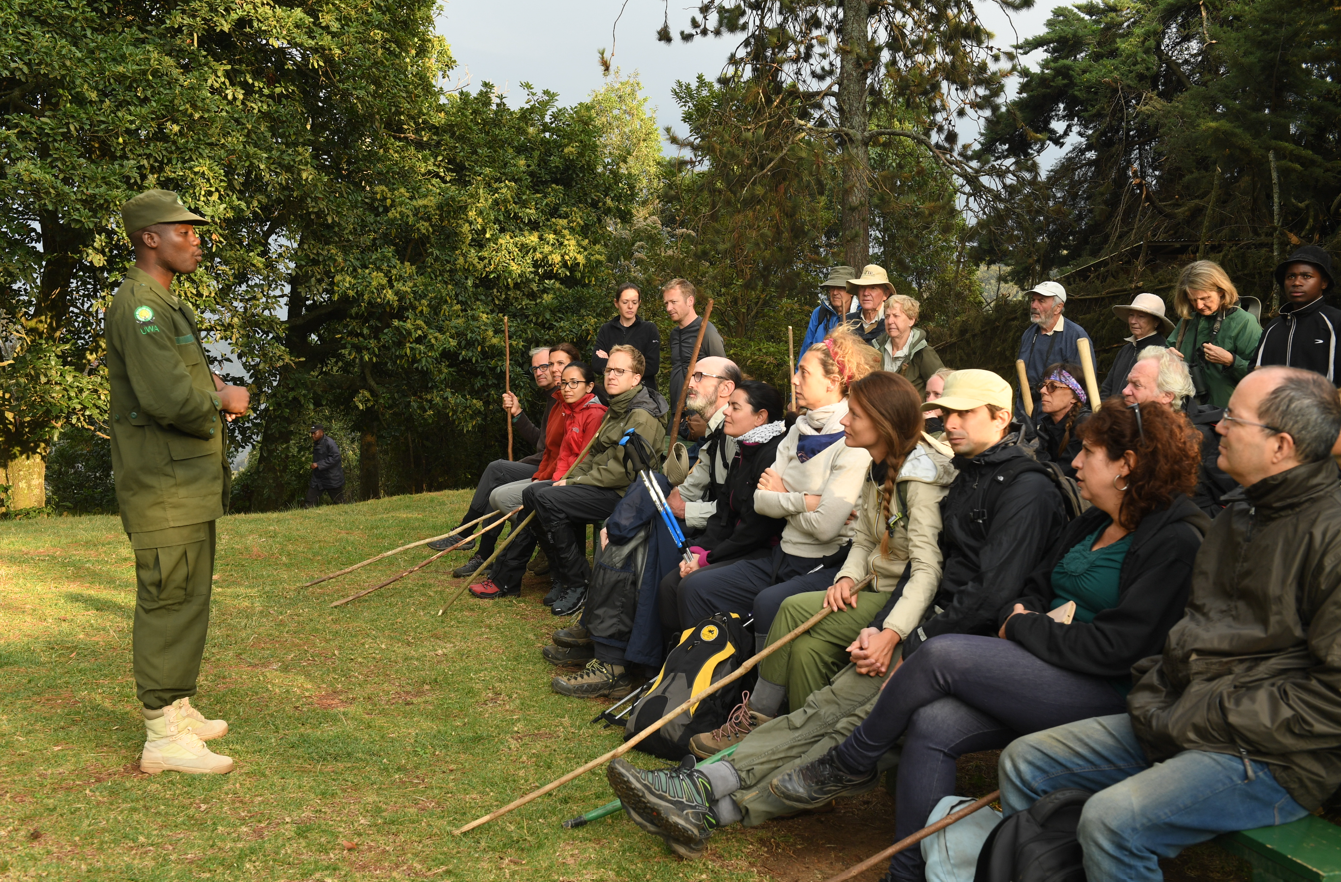
While gorillas may come surprisingly close, it’s essential to follow trekking guidelines.
Respecting wildlife ensures both your safety and the well-being of the gorillas—and leads to more natural, authentic photos.
The terrain can be uneven, slippery, and steep, making stability a challenge.
Image stabilization (IS/VR) lenses can also help reduce blur.
While close-up portraits are incredible, storytelling images are even more compelling.
Look for:
These moments create a narrative and add emotional depth to your photography.
Gorillas can be unpredictable. A sudden glance, movement, or interaction can happen in a split second.
This technique significantly increases your chances of getting the perfect image.
Rainforests are humid, wet, and muddy environments.
Preparedness ensures your equipment performs reliably throughout the trek.
Your comfort directly impacts your ability to focus and shoot effectively.
Comfort allows you to stay focused on capturing great shots rather than dealing with distractions.
The best wildlife photography comes from patience.
Sometimes, the most powerful image is the one you almost missed because you slowed down and paid attention.
It’s easy to get so focused on capturing images that you forget to enjoy the moment.
Remember:
Some moments are meant to be felt, not photographed.
Guides and trackers know gorilla behavior intimately.
Their expertise can significantly improve both your safety and your photography.
Post-processing enhances your images but should not distort reality.
Aim for authenticity—your photos should reflect the real experience.
Responsible photography ensures the preservation of wildlife and their habitats.
Ethical practices protect gorillas and ensure future generations can enjoy this incredible experience.
Gorilla trekking photography is as much about patience, respect, and awareness as it is about technical skill. The environment may be challenging, but that’s part of what makes the experience so rewarding. Every photograph you take tells a story—not just of the gorillas, but of your journey into one of the world’s most pristine ecosystems.
By preparing well, respecting the wildlife, and staying present in the moment, you can capture images that are not only visually stunning but also emotionally powerful.
Whether you’re photographing a silverback’s commanding presence or a playful infant swinging through the foliage, remember that the best shots come from a balance of skill, timing, and deep appreciation for nature

Ready to explore the wild beauty of Africa? Tell us your travel interests below and our safari experts will respond to provided email within 2 minutes & absolutely free.


