
Mountain gorillas are among the world’s most endangered primates, yet their story is one of the greatest conservation success stories in modern wildlife management. Uganda, home to nearly half of the world’s remaining mountain gorillas, has become a global leader in protecting these remarkable animals through collaborative conservation initiatives. Today, mountain gorilla conservation combines scientific research, strict wildlife protection, community involvement, sustainable tourism, and international partnerships to ensure these gentle giants continue to thrive in their natural habitat.
The dense forests of Bwindi Impenetrable National Park and Mgahinga Gorilla National Park provide a sanctuary for Uganda’s mountain gorillas. However, protecting these habitats requires continuous effort against threats such as habitat loss, poaching, disease transmission, and climate change. Thanks to decades of dedicated conservation work, mountain gorilla numbers have steadily increased, offering hope for one of Africa’s most iconic species.
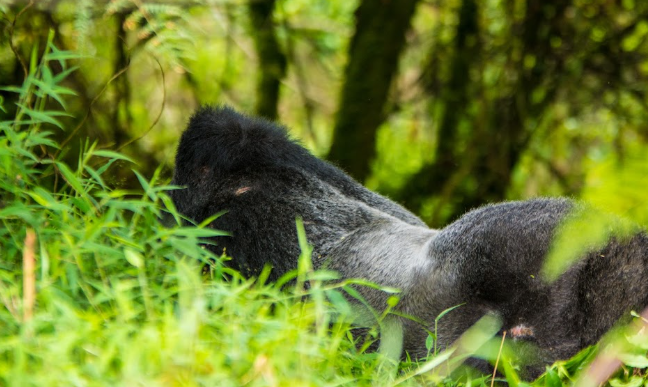
Mountain gorilla conservation extends far beyond protecting a single species. Mountain gorillas are considered a flagship species, meaning that conserving them also protects entire forest ecosystems that support thousands of plants, mammals, birds, insects, and reptiles.
Healthy forests play a vital role in regulating rainfall, storing carbon, preventing soil erosion, and providing clean water for surrounding communities. By safeguarding gorilla habitats, conservation organizations also preserve biodiversity and support environmental sustainability throughout southwestern Uganda.
Furthermore, mountain gorillas contribute significantly to Uganda’s tourism industry. Gorilla trekking attracts thousands of international visitors every year, generating revenue that supports conservation programs, creates employment opportunities, and stimulates local economies.
The journey of mountain gorilla conservation has not always been successful. During the 1970s and 1980s, mountain gorilla populations declined rapidly due to civil unrest, habitat destruction, illegal hunting, and limited conservation funding.
Conservation efforts gained momentum following the establishment and strengthening of Uganda’s national parks. Bwindi Impenetrable National Park became a protected area in 1991, followed by improved management of Mgahinga Gorilla National Park. These protected areas became the foundation of Uganda’s long-term conservation strategy.
Over the past three decades, government agencies, conservation organizations, local communities, researchers, and international donors have worked together to reverse population declines. Their combined efforts have transformed Uganda into one of Africa’s leading examples of successful wildlife conservation.
Bwindi Impenetrable National Park is home to the largest population of mountain gorillas worldwide. The ancient rainforest provides food, nesting sites, and shelter for numerous habituated and wild gorilla families.
Conservation authorities continuously monitor the park to prevent illegal activities such as logging, charcoal burning, mining, and agricultural encroachment. Rangers conduct daily patrols, remove snares, and monitor gorilla movements to ensure the forest remains secure.
Strict park boundaries and continuous surveillance help maintain the integrity of this UNESCO World Heritage Site while preserving one of Africa’s richest biodiversity hotspots.
Although much smaller than Bwindi, Mgahinga Gorilla National Park plays an equally important role in mountain gorilla conservation. The park forms part of the larger Virunga Conservation Area shared by Uganda, Rwanda, and the Democratic Republic of Congo.
The transboundary nature of this ecosystem allows gorilla families to move freely across international borders, making regional cooperation essential for effective conservation.
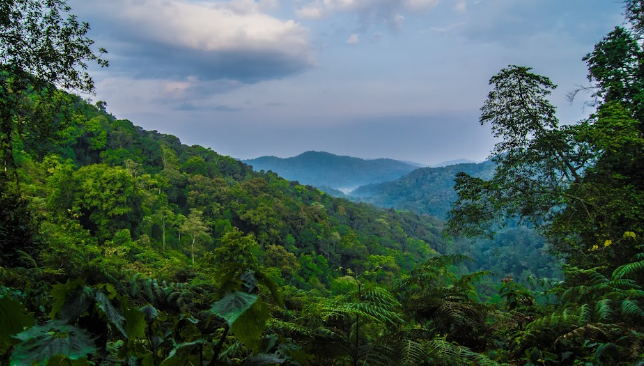
Uganda Wildlife Authority rangers patrol protected forests every day to detect illegal activities before they threaten wildlife. These highly trained teams monitor gorilla families, dismantle wire snares, apprehend poachers, and collect valuable ecological data.
Modern conservation technologies such as GPS mapping, camera traps, drones, and digital monitoring systems have significantly improved ranger efficiency.
Although mountain gorillas are rarely targeted directly by hunters, they frequently become accidental victims of snares intended for antelopes or bush pigs. Even a single snare can cause severe injuries or infections.
Regular snare removal programs have greatly reduced these risks, helping improve gorilla survival rates across protected areas.
One of Uganda’s greatest conservation achievements has been involving local communities in protecting gorillas. Rather than excluding nearby residents, conservation programs provide tangible economic incentives that encourage long-term stewardship.
Tourism generates employment opportunities for:
These jobs reduce dependence on forest resources while improving household incomes.
A portion of gorilla trekking permit revenue is returned directly to surrounding communities through revenue-sharing initiatives. These funds support schools, health centers, clean water projects, roads, and community development programs.
As local residents experience the direct benefits of conservation, they become active partners in protecting gorilla habitats.
Conservation organizations also support alternative income-generating activities that reduce pressure on forests. These include beekeeping, coffee farming, handicrafts, livestock projects, and sustainable agriculture.
Such initiatives help families earn stable incomes without relying on activities that damage protected forests.
Disease remains one of the greatest threats to mountain gorillas because humans share approximately 98 percent of their DNA with them. Common human illnesses such as influenza or respiratory infections can spread rapidly among gorilla families.
Veterinary teams regularly assess gorilla health through observation, biological sampling, and medical interventions when necessary.
Specialized wildlife veterinarians occasionally treat injured gorillas suffering from snare wounds, infections, or trauma. These carefully planned interventions have saved numerous gorillas that would otherwise have died from preventable injuries.
Health monitoring has become an essential pillar of mountain gorilla conservation throughout Uganda.
Every gorilla trekking permit contributes directly to conservation funding. Permit fees help finance:
This sustainable financing model ensures tourism directly benefits wildlife protection.
Strict regulations help minimize human impact during gorilla trekking experiences.
Visitors are required to:
Maintain a minimum distance of seven meters from gorillas, limit viewing time to one hour, avoid trekking when ill, follow ranger instructions at all times, refrain from feeding gorillas, and avoid sudden movements or loud noises. These simple measures significantly reduce stress and disease transmission risks.
Long-term scientific research provides valuable information about gorilla behavior, social structures, feeding habits, reproduction, genetics, and habitat use.
Researchers continuously collect data that helps conservation managers make informed decisions regarding habitat management, disease prevention, and tourism planning.
Population censuses conducted every few years allow conservationists to track growth trends and evaluate the effectiveness of ongoing conservation strategies.
Protecting mountain gorillas requires cooperation beyond Uganda’s borders. Numerous international conservation organizations collaborate with the Uganda Wildlife Authority to provide technical expertise, research support, training, and financial assistance.
Regional partnerships among Uganda, Rwanda, and the Democratic Republic of Congo are particularly important because gorilla populations move freely across the Virunga landscape.
These collaborative efforts ensure consistent conservation policies throughout the mountain gorillas’ range.
Despite remarkable progress, several challenges continue to threaten long-term conservation success.
Rapid population growth around protected forests increases demand for farmland, fuelwood, and natural resources. Without careful planning, expanding settlements can place additional pressure on gorilla habitats.
Changing rainfall patterns and rising temperatures may gradually alter forest ecosystems. Conservation managers continue studying how climate change could affect vegetation, food availability, and gorilla distribution.
Increasing tourism and human settlement create ongoing risks of disease transmission. Continuous health monitoring and strict trekking guidelines remain essential components of conservation efforts.
Although poaching has declined significantly, illegal hunting, timber harvesting, and charcoal production occasionally occur near protected areas. Continued law enforcement and community engagement are necessary to address these issues.
The future of mountain gorilla conservation depends on maintaining the balance between wildlife protection, community development, and sustainable tourism.
Continued investment in conservation education, scientific research, ranger training, veterinary care, and community partnerships will remain essential. As tourism grows responsibly, conservation funding can continue supporting both gorillas and local livelihoods.
Emerging technologies such as satellite monitoring, artificial intelligence, and improved ecological research will further strengthen conservation planning and habitat management.
Most importantly, the success achieved so far demonstrates that long-term commitment, collaboration, and responsible tourism can reverse the decline of even the world’s most endangered wildlife species.
Every visitor has the opportunity to contribute positively to conservation. Choosing licensed tour operators, respecting trekking regulations, supporting community-owned businesses, purchasing locally made crafts, and practicing environmentally responsible travel all help strengthen conservation efforts.
Visitors should also avoid littering, minimize plastic waste, stay on designated trails, and follow all instructions provided by Uganda Wildlife Authority guides. These responsible travel practices help preserve fragile ecosystems for future generations.
By participating in ethical gorilla trekking experiences, travelers become active partners in protecting one of Africa’s greatest natural treasures.
Uganda’s conservation journey demonstrates that protecting endangered wildlife is possible when governments, conservation organizations, researchers, local communities, and responsible travelers work together. Through habitat protection, anti-poaching efforts, veterinary care, scientific research, sustainable tourism, and community empowerment, mountain gorilla conservation has transformed the future of one of the world’s rarest primates. Book now with Haven Expeditions for an unforgettable safari

Ready to explore the wild beauty of Africa? Tell us your travel interests below and our safari experts will respond to provided email within 2 minutes & absolutely free.


