Chimpanzee Tracking vs Gorilla Trekking: Understanding the Chimpanzee Tracking Differences
Wildlife enthusiasts visiting East Africa often dream of encountering great apes in their natural habitat. Two of the most remarkable experiences are chimpanzee tracking and gorilla trekking, both of which offer unforgettable encounters with our closest relatives in the animal kingdom. Although these adventures share similarities, there are significant chimpanzee tracking differences that travelers should understand before choosing which experience best suits their interests.
Uganda stands out as one of the few countries where visitors can enjoy both activities in a single safari. From the ancient rainforests of Kibale National Park to the mist-covered mountains of Bwindi Impenetrable National Park, travelers have the opportunity to witness two entirely different primate behaviors and environments. Understanding the chimpanzee tracking differences helps you prepare appropriately while ensuring you make the most of your African safari.
This guide explores the key distinctions between chimpanzee tracking and gorilla trekking, covering everything from the trekking experience and wildlife behavior to costs, physical demands, photography opportunities, and conservation significance.
What Are the Main Chimpanzee Tracking Differences?
At first glance, chimpanzee tracking and gorilla trekking may appear similar because both involve hiking through tropical forests in search of endangered primates. However, once you enter the forest, the experiences quickly reveal their unique characteristics.
Chimpanzees are highly energetic, social, and vocal primates that spend much of their day moving rapidly through the forest canopy and along the ground. Gorilla families, on the other hand, are generally calm, peaceful, and easier to observe once located because they spend considerable time feeding or resting.
The chimpanzee tracking differences become immediately apparent in the pace of the trek. While gorilla trekking often ends with visitors quietly observing a relaxed gorilla family, chimpanzee tracking may require constant movement as the troop travels through the forest.
Understanding the Chimpanzee Tracking Differences in Wildlife Behavior
One of the biggest distinctions lies in how each species behaves in its natural environment.
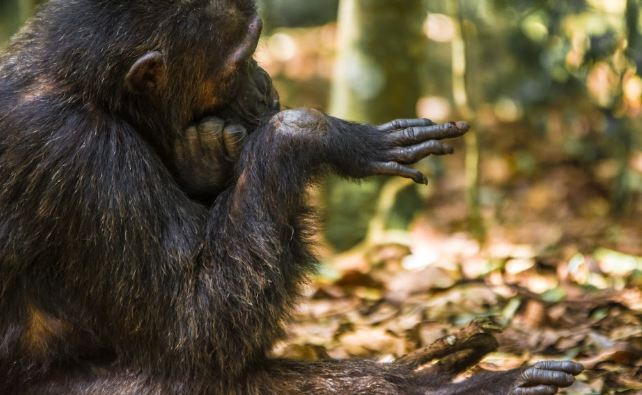
Chimpanzees are incredibly active animals. They communicate through loud screams, pant-hoots, drumming on tree trunks, and expressive body language. Troops can consist of dozens or even more than one hundred individuals that continuously split and reunite throughout the day. Their social interactions include grooming, playing, hunting, climbing, and occasional disputes among members.
This dynamic lifestyle means visitors rarely observe the same scene for long. A chimpanzee may swing from one tree to another within seconds, requiring trekkers to remain alert and ready to move.
Mountain gorillas display an entirely different personality. Living in stable family groups led by a dominant silverback, gorillas spend much of their day feeding on vegetation, grooming each other, caring for infants, or resting peacefully. Once a gorilla family is located, visitors often enjoy a calm hour watching natural behaviors unfold at close range.
These contrasting behaviors are among the most fascinating chimpanzee tracking differences, making each adventure memorable in its own way.
Chimpanzee Tracking Differences in Trekking Difficulty
The level of physical challenge varies considerably between the two experiences.
Chimpanzee tracking generally involves walking through tropical forests with moderate hiking conditions. Since chimpanzees move frequently, guides may lead visitors over varying terrain while following fresh vocalizations or footprints. The trek can sometimes feel fast-paced because the animals rarely remain in one location for long.
Gorilla trekking can be physically more demanding depending on where the gorilla family is located. Rangers may guide visitors through dense vegetation, steep hillsides, muddy slopes, and thick undergrowth before reaching the gorillas. Some families live at higher elevations, requiring several hours of hiking before the encounter begins.
Although both activities require a reasonable level of fitness, many travelers find gorilla trekking more strenuous due to the mountainous terrain, while chimpanzee tracking demands greater endurance because of the animals’ constant movement.
Habitat and Forest Environment
The forest environments also highlight important chimpanzee tracking differences.
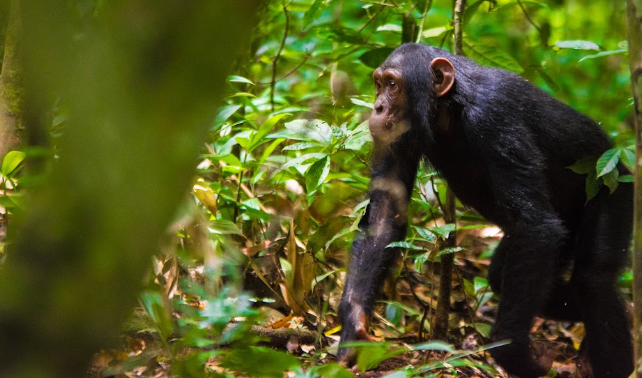
Chimpanzees inhabit lowland and tropical rainforests characterized by tall trees, open canopies, and abundant fruit-bearing vegetation. These forests are alive with birds, butterflies, monkeys, and countless other wildlife species.
Gorillas typically occupy dense montane forests, bamboo forests, and high-altitude rainforests. The vegetation is thicker, the terrain steeper, and the atmosphere cooler due to higher elevations.
The scenery itself contributes greatly to each experience. Chimpanzee forests feel vibrant and filled with movement, while gorilla habitats create an atmosphere of mystery, tranquility, and adventure.
Best Destinations to Experience the Chimpanzee Tracking Differences
Uganda is among the few destinations where travelers can compare both adventures during one safari.
Kibale National Park is widely regarded as Africa’s premier chimpanzee tracking destination. Home to over 1,500 chimpanzees, the forest offers one of the highest chances of successful sightings anywhere on the continent. Visitors also encounter several monkey species, colorful birds, and unique forest ecosystems.
Budongo Forest provides another excellent chimpanzee tracking experience with experienced guides and impressive biodiversity.
For gorilla trekking, Bwindi Impenetrable National Park remains one of Africa’s most iconic wildlife destinations. The park protects nearly half of the world’s remaining mountain gorillas and offers several trekking sectors with habituated gorilla families.
Mgahinga Gorilla National Park provides a more intimate trekking experience within the Virunga Mountains and is especially popular among travelers seeking fewer crowds.
Many safari itineraries combine Kibale and Bwindi, allowing visitors to appreciate the remarkable chimpanzee tracking differences firsthand.
Duration of the Experience
Time spent tracking and observing the animals varies significantly.
Chimpanzee tracking usually begins early in the morning when the primates are most active. Treks often last between two and five hours, depending on how quickly the guides locate the troop. Once found, visitors generally spend one hour observing the chimpanzees.
Special chimpanzee habituation experiences may allow visitors to spend several hours with researchers following the troop throughout the day.
Gorilla trekking follows a similar structure. The hike may last anywhere from one to eight hours depending on the gorillas’ location, followed by one unforgettable hour observing the family.
Although observation time is generally the same, the activity level during that hour represents one of the biggest chimpanzee tracking differences.
Photography and Viewing Opportunities
Photography enthusiasts often notice major chimpanzee tracking differences during their safari.
Chimpanzees move rapidly through trees and shaded forests, making photography more challenging. Fast shutter speeds and patience are essential to capture sharp images. Their constant motion creates exciting action photographs but demands greater camera skill.
Gorillas provide more relaxed photography opportunities. Since they spend longer periods feeding or resting, photographers have ample time to adjust camera settings, compose shots, and capture intimate family interactions.
Lighting conditions can still be difficult inside dense forests, but gorillas generally offer easier subjects for beginners.
Conservation and Responsible Tourism
Both activities contribute significantly to wildlife conservation and local community development.
Permit fees directly support national parks, ranger patrols, veterinary monitoring, research, habitat protection, and community projects. Sustainable tourism has become one of the most effective tools for protecting endangered primates and preserving Africa’s remaining tropical forests.
Chimpanzees face threats from habitat destruction, illegal hunting, disease transmission, and human encroachment. Gorilla populations also continue to require careful protection despite encouraging conservation successes over recent decades.
Understanding these conservation efforts helps visitors appreciate that their safari contributes to preserving these extraordinary species for future generations.
Safety Guidelines and Visitor Rules
Although chimpanzees and gorillas are habituated to human presence, visitors must follow strict regulations to ensure both human and animal safety.
Maintaining a respectful distance helps reduce disease transmission and minimizes stress on the animals. Visitors should avoid loud noises, sudden movements, flash photography, or attempting to touch the primates.
Anyone feeling ill is usually advised not to participate, as great apes are highly susceptible to many human diseases.
Professional guides and armed rangers accompany every trek, ensuring visitors enjoy safe and responsible wildlife encounters.
Which Experience Is Better?
Choosing between chimpanzee tracking and gorilla trekking ultimately depends on your travel interests.
Travelers fascinated by energetic animal behavior, vocal communication, and active forest exploration often prefer chimpanzee tracking. Every encounter feels unpredictable as the troop continuously moves through the forest, creating an exciting sense of adventure.
Those seeking a more emotional wildlife encounter often favor gorilla trekking. Looking into the eyes of a peaceful silverback or watching playful young gorillas interact creates memories that remain vivid for a lifetime.
Rather than viewing one experience as superior, many experienced safari travelers recommend enjoying both. Together they provide a complete understanding of Africa’s incredible great apes while highlighting the remarkable chimpanzee tracking differences that make each encounter unique.
Planning a Safari That Includes Both Experiences
For travelers visiting Uganda, combining chimpanzee tracking and gorilla trekking creates one of Africa’s finest wildlife itineraries. A journey might begin in Kibale National Park, where visitors spend a morning tracking chimpanzees through lush rainforest. The safari can then continue south to Bwindi Impenetrable National Park for an unforgettable gorilla trekking adventure.
Many itineraries also include Queen Elizabeth National Park, allowing travelers to enjoy classic game drives, boat cruises on the Kazinga Channel, and sightings of elephants, lions, buffaloes, hippos, and countless bird species between the two primate experiences.
Combining these destinations offers exceptional value while allowing visitors to fully appreciate the diversity of Uganda’s landscapes, wildlife, and conservation efforts.
If your schedule and budget allow, experiencing both chimpanzee tracking and gorilla trekking is undoubtedly the best way to discover the incredible diversity of Uganda’s primate wildlife and fully appreciate the remarkable chimpanzee tracking differences that make each adventure truly extraordinary.