
Mountain gorilla safety trekking is often described as a once-in-a-lifetime wildlife experience—an intimate encounter with one of the world’s most endangered primates in their natural habitat. Found in the dense forests of East and Central Africa, particularly in Bwindi Impenetrable National Park, Mgahinga Gorilla National Park, and Volcanoes National Park, these majestic creatures draw thousands of visitors each year.
But one important question often arises: Is mountain gorilla trekking completely safe?
The short answer is: it is very safe—but not entirely without risk. Like any adventure in the wild, it comes with manageable challenges. This guide breaks down the real safety concerns, the precautions in place, and what you can do to ensure a safe and enjoyable trek.
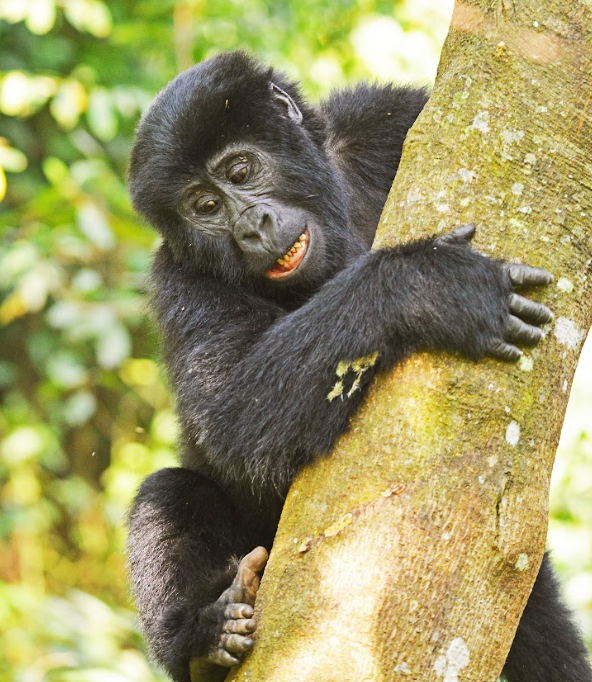
Mountain gorillas are surprisingly peaceful animals. Despite their size and strength, they are generally calm and non-aggressive, especially the habituated groups visited by tourists.
Habituation is a careful, years-long process where gorillas become accustomed to human presence without feeling threatened. This is why visitors can safely observe them at close range.
However, they are still wild animals. Their behavior can be unpredictable if they feel provoked, startled, or threatened. That’s why strict trekking rules are enforced.
Every trek is led by experienced guides and armed rangers who are familiar with gorilla behavior and forest terrain. These professionals:
Their presence significantly reduces risk and ensures that trekkers behave appropriately around the gorillas.
Before the trek begins, visitors receive a detailed briefing. Some of the key rules include:
These rules are not optional—they are essential for both human and animal safety.
Each gorilla family is visited by a maximum of 8 people per day. This reduces stress on the animals and minimizes the risk of overcrowding or panic situations.
Gorillas share about 98% of their DNA with humans, making them vulnerable to human illnesses. For this reason:
These measures protect both the gorillas and visitors.
While trekking is generally safe, it’s important to understand the possible risks.
Gorilla trekking can be physically challenging. The terrain is:
Treks can last from 1 to 6 hours (or more), depending on the location of the gorillas. Poor fitness or inadequate preparation can lead to exhaustion or minor injuries.
Although the main focus is gorillas, the forest is home to other wildlife such as:
Encounters are rare and usually managed by rangers, but they remain a natural risk of being in the wild.
The rainforest climate is unpredictable:
Proper gear significantly reduces these risks.
In very rare cases, a gorilla—especially a silverback—may display dominance behavior such as:
This is usually a warning, not an attack. Following the guide’s instructions (like crouching and avoiding eye contact) ensures safety.
Compared to activities like:
Gorilla trekking is relatively low-risk due to:
The biggest risks are usually related to terrain and physical exertion—not the gorillas themselves.
Preparation plays a major role in ensuring safety. Here’s how you can protect yourself:
Your guide’s advice is not just helpful—it’s critical. Always:
You don’t need to be an athlete, but a moderate level of fitness helps. Consider:
Never attempt to:
Respect ensures both your safety and the gorillas’ well-being.
All major gorilla trekking destinations prioritize safety, but conditions vary slightly:
Overall, Uganda and Rwanda are considered the safest and most popular options.
No outdoor adventure is 100% risk-free—and gorilla trekking is no exception.
However, with:
Mountain gorilla trekking is one of the safest wildlife experiences in the world.
Most visitors complete their trek without any incidents, leaving with unforgettable memories rather than concerns.
Gorilla trekking offers a rare chance to connect with nature in its purest form. While it involves stepping into a wild environment, the combination of conservation efforts, expert guidance, and well-established safety measures makes it a secure and rewarding adventure.
If you respect the rules, prepare adequately, and stay mindful of your surroundings, your experience will not only be safe—but deeply transformative.

Ready to explore the wild beauty of Africa? Tell us your travel interests below and our safari experts will respond to provided email within 2 minutes & absolutely free.


