
Gorilla trekking is one of the most unforgettable wildlife experiences in the world—but many travelers assume it’s only for luxury tourists with deep pockets. That’s not entirely true. With smart planning, flexibility, and the right strategies, you can enjoy a budget-friendly gorilla tour without compromising the experience.
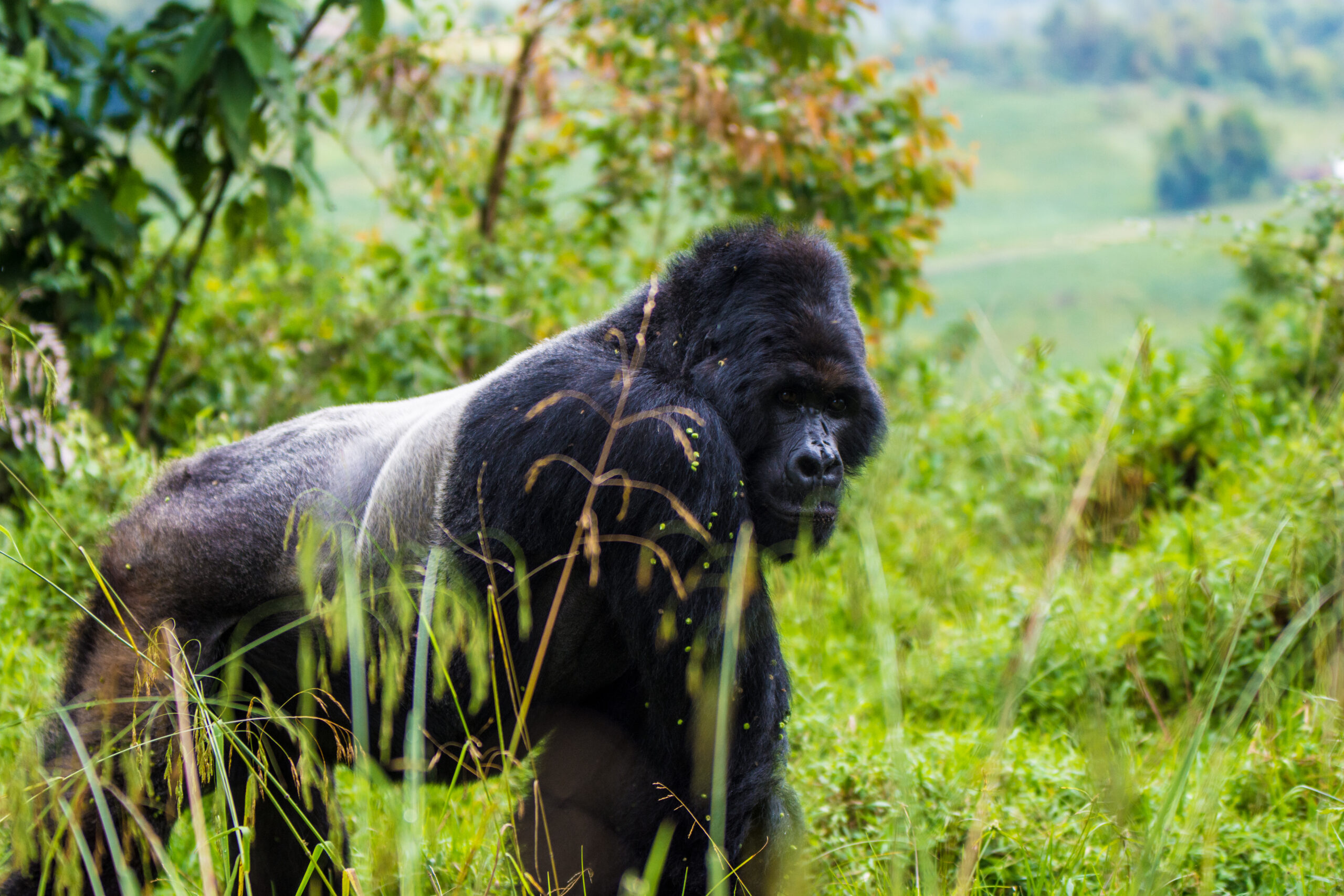
Gorilla trekking is a guided hike through tropical forests to observe mountain gorillas in their natural habitat. It mainly takes place in:
Among these, Uganda is widely considered the most budget-friendly option.
Before cutting costs, it’s important to understand where your money goes:
A gorilla permit alone can cost hundreds of dollars—but there are ways to reduce overall costs significantly.
If you’re traveling on a budget, your destination matters.
👉 Tip: Uganda offers the perfect balance of cost, safety, and experience.
Permits are limited and sell out quickly, especially during peak seasons.
Cost (approximate):
Budget Strategy:
Booking early helps you avoid last-minute price hikes and stress.
Timing your trip is one of the easiest ways to save money.
Low season benefits:
Downside: Rainy conditions—but gorilla sightings are still highly successful.
You don’t need luxury lodges to enjoy gorilla trekking.
Budget options include:
Prices can range from $10–$50 per night, compared to $300+ for luxury lodges.
Look for accommodation near Bwindi Impenetrable Forest to reduce transport costs.
Private tours are convenient—but expensive.
Group tours offer:
This can reduce your tour cost by 30–50%.
Instead of hiring a private vehicle:
While less comfortable, it’s significantly cheaper.
Being unprepared can lead to unnecessary spending.
Essentials to bring:
Buying these items near parks can be expensive.
While there are many add-ons like cultural tours and safaris, they increase costs.
Budget tip:
Focus on the gorilla trekking experience and choose only 1–2 extra activities if your budget allows.
Local operators often offer better rates than international agencies.
Advantages:
Compare multiple quotes before booking.
Traveling solo is usually more expensive.
Group travel benefits:
Even joining a group online can help reduce expenses.
Here’s a rough estimate for a 3-day budget gorilla trek in Uganda:
| Expense | Estimated Cost |
|---|---|
| Gorilla permit | $1500 |
| Accommodation (budget) | $60–$150 |
| Transport | $100–$200 |
| Food | $30–$60 |
| Miscellaneous | $50 |
Total: Approximately $1,000–$1,300
This is far cheaper than luxury packages that can exceed $3,000.
Absolutely. The experience of seeing mountain gorillas up close is the same whether you spend $1,000 or $5,000.
You’ll still:
The difference is mainly in comfort—not the core experience.
It ranges from moderate to challenging depending on terrain and gorilla location. Basic fitness is enough.
Nearly 98% success rate—very high.
Yes, especially in Uganda and Rwanda. Always follow guide instructions.
Anywhere from 1 to 6 hours depending on where the gorillas are located.
Planning a budget gorilla tour is completely achievable with the right approach. By choosing Uganda, traveling in the low season, and cutting unnecessary luxury costs, you can experience one of the world’s greatest wildlife encounters without overspending.
One area many travelers ignore when planning budget gorilla tours is hidden costs—small expenses that quickly add up if not managed carefully. For example, tipping is customary during gorilla trekking. While it’s optional, guides, porters, and trackers often rely on tips as part of their income. Budget travelers should plan for this in advance (around $10–$20 total), rather than being caught off guard.
Another overlooked factor is hiring a porter. At first glance, this might seem like an unnecessary expense (usually about $10–$15), but it can actually save you money and energy. Porters help carry your bag and assist on steep terrain, reducing fatigue and the risk of injury—which could otherwise ruin your trip or lead to unexpected costs.
You should also consider travel insurance, even on a budget. Gorilla trekking involves hiking in dense forests, uneven terrain, and unpredictable weather. A basic insurance plan that covers medical emergencies and trip cancellations can prevent significant financial loss.
Food budgeting is another smart area to optimize. Many budget lodges offer meal plans, but you can save more by carrying snacks or buying food in nearby towns before heading to the park. Remote areas around trekking destinations often have limited—and more expensive—food options.
Lastly, always keep a small emergency fund in cash. Rural trekking regions may have limited access to ATMs or digital payments. Having extra cash ensures you’re prepared for unexpected costs like transport changes, additional nights, or gear replacement.
By planning for these often-overlooked expenses, you can maintain control of your budget and enjoy a smoother, stress-free gorilla trekking experience.
The key is smart planning, flexibility, and prioritizing what truly matters—the gorillas.

Ready to explore the wild beauty of Africa? Tell us your travel interests below and our safari experts will respond to provided email within 2 minutes & absolutely free.


