
Gorilla trekking is one of the most extraordinary wildlife experiences in the world. Deep in the forests of Uganda, Rwanda , and the Democratic Republic of Congo, travelers hike through dense vegetation to spend a magical hour observing mountain gorillas in their natural habitat. While the reward is unforgettable, the journey to get there can be physically demanding—and that raises an important question: how fit do you really need to be for gorilla trekking?
The short answer is that you don’t need to be an athlete—but you do need a reasonable level of physical fitness, mental endurance, and preparation. This guide breaks down exactly what that means, what affects trek difficulty, and how to prepare so you can fully enjoy the experience.
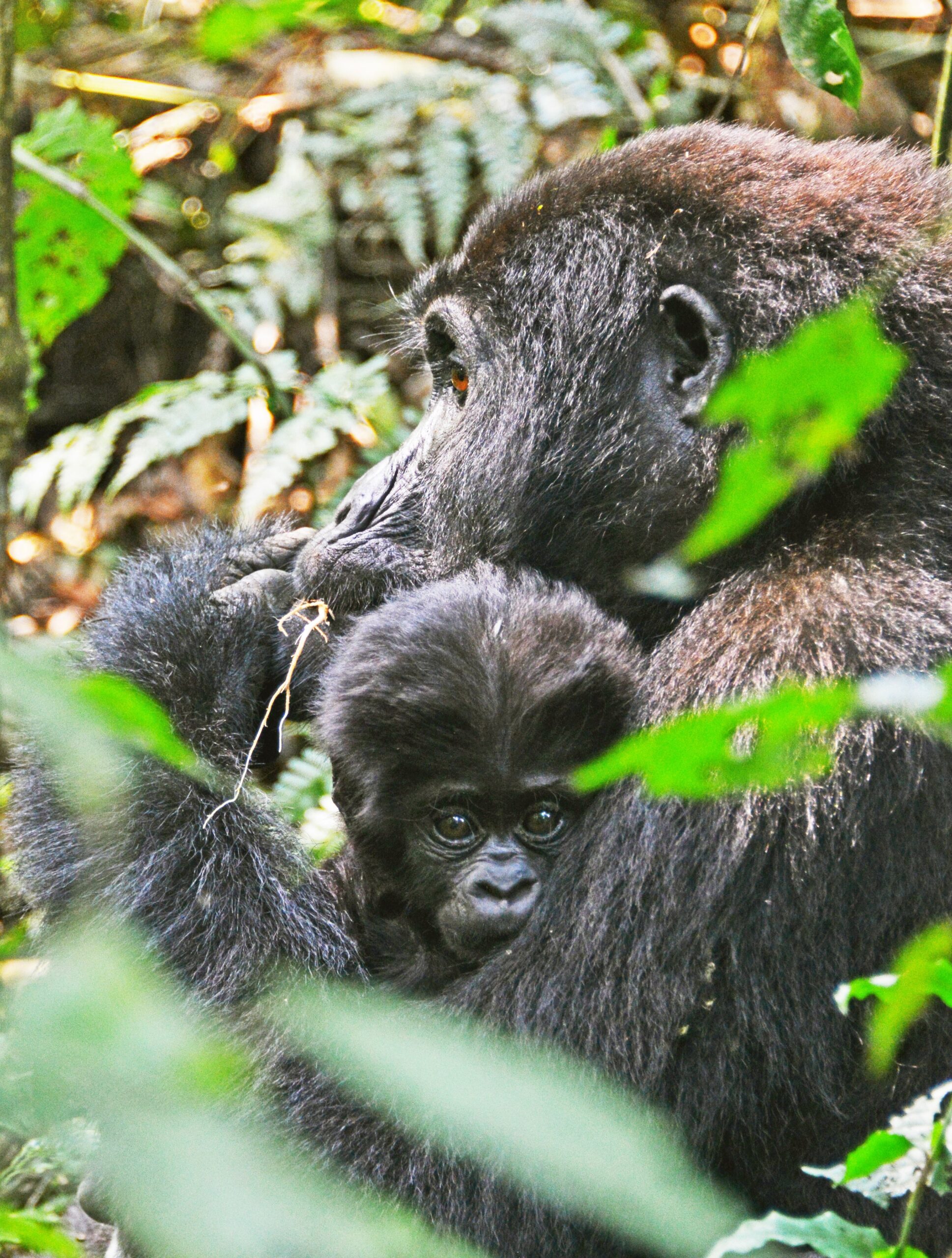
Before talking about fitness, it’s important to understand the kind of environment you’ll be moving through.
Gorilla trekking takes place in tropical rainforests, often on mountainous terrain. The landscape typically includes:
This is not a casual nature walk. Even when distances are short, the terrain itself makes the trek physically challenging.
The difficulty of a gorilla trek varies greatly from person to person and from day to day. There are several key factors that influence how strenuous your trek will be:
Gorillas move daily in search of food. Some families may be found within an hour’s walk, while others may require 4–6 hours of hiking.
Rain can make trails muddy and slippery, increasing the effort required. Dry conditions are easier but can still involve steep climbs.
Trekkers are grouped based on age and fitness levels where possible. Less strenuous routes are often assigned to older or less fit individuals.
Guides usually set a moderate pace, with frequent breaks. However, the pace can feel demanding if you’re not used to hiking.
You don’t need advanced training or gym-level strength, but you should have moderate fitness and stamina. Here’s a realistic breakdown:
You are well-prepared if you can:
If you can do these things, you’re ready for gorilla trekking.
Absolutely. Gorilla trekking is not limited to young or highly athletic travelers. People in their 50s, 60s, and even 70s regularly complete treks successfully.
The key is honesty about your fitness level and taking advantage of available support:
There is even an option in some locations known as a “sedan chair” or stretcher service, where a team carries you if mobility is a major concern.
Even with moderate fitness, you should be prepared for certain challenges:
Some treks involve hiking uphill for extended periods. This can be tiring, especially at higher altitudes.
Rainforest conditions mean mud is common. Good balance and proper footwear are essential.
You may need to push through bushes, duck under branches, or step over obstacles.
Higher elevations can cause shortness of breath or fatigue, even in fit individuals.
Unlike scheduled hikes, gorilla trekking has no fixed duration—you continue until the gorillas are located.
Physical ability is only part of the equation. Gorilla trekking also requires mental resilience.
You may experience:
Staying positive and focused is essential. Remember, the reward at the end is one of the most powerful wildlife encounters on Earth.
You don’t need months of intense training, but a few weeks of preparation can make a big difference.
Start with regular walks and gradually increase distance and intensity.
This helps build leg strength for steep sections.
Focus on legs and core:
Carry a small daypack during walks to simulate trekking conditions.
Hiring a porter is highly recommended, regardless of your fitness level.
Porters can:
This not only makes your trek easier but also supports local communities through employment.
Many travelers assume fitness is the biggest issue, but in reality, these factors often matter more:
Even fit individuals can struggle if they overlook these basics.
Don’t rush at the beginning. Conserve energy for later stages.
Use rest stops to recover, hydrate, and enjoy the forest.
Carry enough water and drink regularly.
Wear lightweight, breathable clothing and sturdy hiking boots.
Guides know the terrain and will help you navigate safely.
Not true. Moderate fitness is enough for most people.
Many older travelers complete treks successfully with proper support.
Helpful, but not necessary. Preparation matters more.
Some are challenging, but others are relatively manageable.
If you find the trek difficult:
The goal is to ensure everyone has a chance to see the gorillas safely.
No matter how challenging the trek may feel, the moment you come face-to-face with a gorilla family changes everything.
Watching them interact, feed, and care for each other in silence is deeply moving. The effort fades away, replaced by awe and appreciation.
If you’re wondering whether you’re fit enough for gorilla trekking, the answer is likely yes—with preparation.
You don’t need extreme fitness. What you need is:
Gorilla trekking is not about speed or strength—it’s about perseverance, curiosity, and respect for nature.
With the right preparation and attitude, almost anyone can take part in this life-changing adventure.
If you’re planning your trek, take a few weeks to build your stamina, pack wisely, and approach the experience with an open mind. The forest will test you—but it will also reward you in ways few experiences ever can.

Ready to explore the wild beauty of Africa? Tell us your travel interests below and our safari experts will respond to provided email within 2 minutes & absolutely free.


