
Gorilla trekking stands among the most powerful wildlife experiences you can have anywhere in the world. Deep within the mist-covered rainforests of Uganda, Rwanda, and the Democratic Republic of the Congo, travelers embark on a journey that is as physically demanding as it is emotionally rewarding. The ultimate goal is simple, yet profound: to spend a rare and intimate hour in the presence of the endangered mountain gorilla.
The experience itself is unforgettable. You move quietly through dense forest, guided by expert trackers, listening to the sounds of nature all around you. Then, almost suddenly, the forest opens up and you find yourself face-to-face with a gorilla family. A silverback may be watching calmly from a distance, while juveniles tumble and play, and mothers gently care for their infants. It is a deeply humbling encounter, one that shifts your perspective and leaves a lasting impression long after you leave the forest.
However, before reaching that magical moment, there is a journey that tests your endurance and preparation. Gorilla trekking is not a leisurely stroll. It involves navigating steep slopes, pushing through thick vegetation, walking across muddy trails, and adapting to rapidly changing weather conditions. This is where the importance of proper clothing becomes clear. What you wear is not just about comfort; it directly influences how much you enjoy the experience and how well you cope with the challenges along the way.
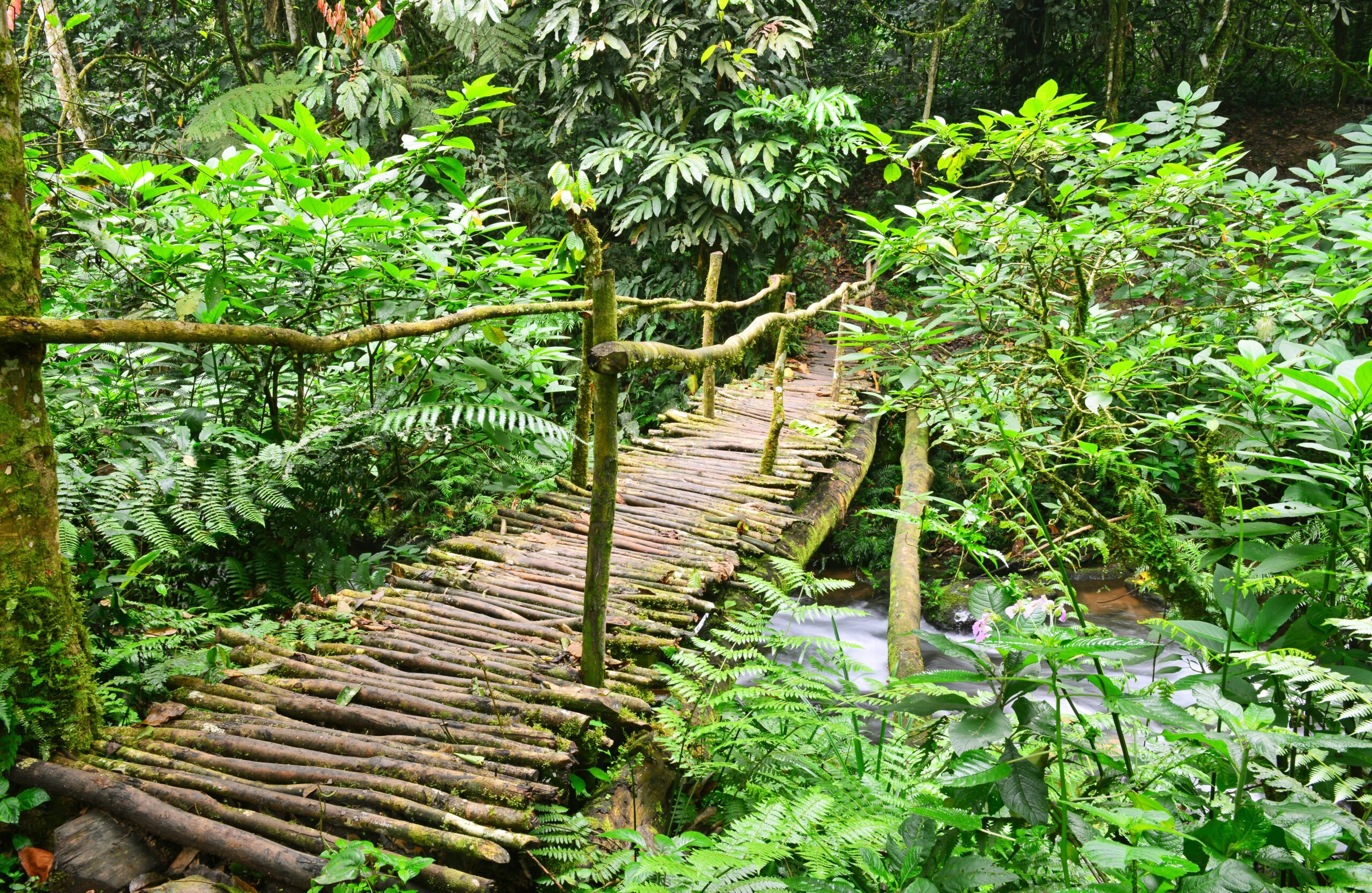
One of the first and most important principles to understand is the importance of color. In gorilla habitats, wearing neutral, earthy tones is not just a suggestion—it is essential. Shades like green, brown, khaki, and beige allow you to blend naturally into the environment. This helps minimize disturbance to wildlife and creates a more authentic and respectful viewing experience. Bright colors, on the other hand, can draw unnecessary attention and may disrupt the calm atmosphere of the forest. In some cases, certain types of clothing such as camouflage are even restricted, so it is always safer to stick with simple, natural tones that mirror the landscape around you.
When it comes to your upper body, a long-sleeved shirt is one of the most practical choices you can make. The forest is alive with plant life, and not all of it is friendly. As you move along narrow trails or follow trackers off established paths, you will inevitably brush against branches, thorns, and sometimes stinging plants. A long-sleeved shirt provides a protective barrier, shielding your arms from scratches and irritation. At the same time, it offers protection from insects, including mosquitoes, which are common in these environments. Choosing a shirt made from lightweight, breathable, and moisture-wicking material is key, as the combination of humidity and physical exertion can quickly make you feel overheated if your clothing does not allow proper airflow.
Equally important are your trousers. While it might be tempting to consider shorts, especially in warmer weather, they are not suitable for gorilla trekking. The dense undergrowth makes it necessary to protect your legs at all times. Long trousers act as a shield against cuts, insect bites, and contact with rough vegetation. The best options are those designed for hiking or safari use, as they are typically made from durable yet lightweight materials that can withstand the demands of the terrain. Quick-drying fabrics are especially useful, as conditions can shift from dry to wet very quickly. Many experienced trekkers also adopt the simple but effective practice of tucking their trousers into their socks. While it may not be the most fashionable look, it significantly reduces the chances of insects finding their way inside your clothing.
Footwear is perhaps the most critical element of your trekking outfit. The terrain you will encounter in places such as Bwindi Impenetrable National Park or Volcanoes National Park can be extremely challenging. Trails are often steep, uneven, and slippery, particularly after rain. A sturdy pair of waterproof hiking boots with strong grip and proper ankle support is essential. These boots not only help you maintain stability but also protect you from potential injuries. It is highly advisable to break in your boots before your trip, as new footwear can cause blisters and discomfort that may detract from your overall experience.
In addition to boots, many trekkers find gaiters to be an incredibly useful addition. These simple accessories cover the gap between your boots and trousers, helping to keep mud, water, and insects out. In environments where trails can quickly turn into muddy paths, gaiters provide an extra layer of protection that can make a noticeable difference in your comfort level throughout the trek.
Rain is an ever-present possibility in rainforest environments, regardless of the season. Even if the day begins with clear skies, conditions can change rapidly. This is why carrying a lightweight, fully waterproof jacket is essential. The key is to choose something that offers reliable protection without adding unnecessary weight or causing you to overheat. A compact jacket that can be easily stored in your daypack is ideal, allowing you to stay prepared without feeling burdened.
Another often overlooked but highly valuable item is a pair of gloves. During the trek, you will frequently use your hands to steady yourself, whether by gripping branches, holding onto vines, or supporting yourself on uneven ground. Gloves protect your hands from thorns, rough surfaces, and stinging plants, while also improving your grip in wet or slippery conditions. Simple garden gloves are more than sufficient and are widely recommended by experienced guides.
Headwear also plays a role in maintaining comfort during the trek. A hat, whether wide-brimmed or a simple cap, helps protect you from sun exposure during open sections of the trail. It can also offer a small degree of protection from light rain. While the forest canopy provides shade in many areas, there are moments when direct sunlight becomes noticeable, making a hat a practical addition to your outfit.
Socks, though sometimes overlooked, are another essential component. A good pair of thick, cushioned, moisture-wicking socks can greatly enhance your comfort, especially during longer treks. They help prevent blisters and keep your feet dry, even in damp conditions. Choosing socks that are long enough to accommodate tucked-in trousers further adds to their practicality.
Layering your clothing is one of the smartest strategies for adapting to the changing conditions you will encounter. Early mornings in mountainous regions can be cool, while the physical effort of trekking can quickly raise your body temperature. By wearing layers, you can easily adjust your clothing to match your comfort level. Starting with a breathable base layer, adding a light mid-layer, and finishing with a waterproof outer layer gives you the flexibility to respond to both weather changes and physical exertion.
Understanding what not to wear is just as important as knowing what to bring. Items such as shorts, sandals, or jeans are unsuitable for gorilla trekking. Shorts leave your legs exposed to injury, sandals do not provide the necessary support or protection, and jeans become heavy and uncomfortable when wet. Similarly, overly heavy clothing can trap heat and make the trek more difficult than it needs to be.
While clothing forms the foundation of your preparation, a few additional items complement your outfit and enhance your overall experience. A small daypack allows you to carry essentials such as water, snacks, and your rain jacket. Insect repellent is highly recommended to reduce the likelihood of bites, while sunscreen provides protection from UV exposure, even in shaded environments. A walking stick, often provided at the starting point of the trek, can be incredibly helpful for maintaining balance on steep or slippery sections of the trail.
It is also worth noting that gorilla trekking is not about fashion. It is about immersion in nature, physical challenge, and meaningful connection with wildlife. Prioritizing comfort, functionality, and durability over appearance ensures that you remain focused on the experience rather than being distracted by discomfort.
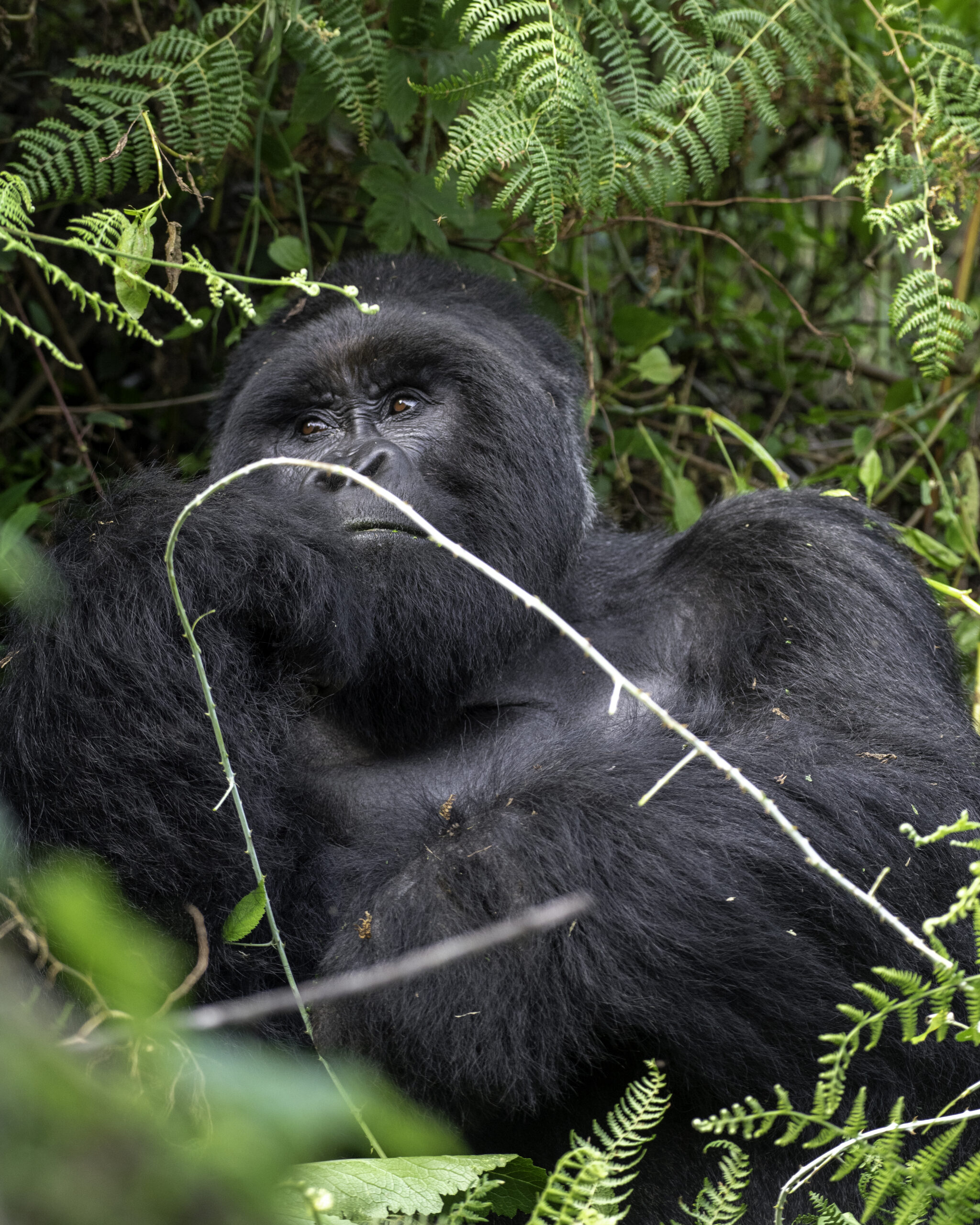
Seasonal variations can influence your trekking experience, although the core clothing recommendations remain consistent. During drier periods, trails may be slightly easier to navigate, and lighter clothing can be more comfortable. In wetter seasons, mud and slippery conditions become more pronounced, making waterproof gear even more important. Regardless of when you travel, it is always wise to prepare for rain, as conditions in places like Virunga National Park can change quickly.
Ultimately, the goal of dressing appropriately for gorilla trekking is simple: to ensure that nothing distracts you from the experience itself. When you finally stand in the presence of a gorilla family, observing their behavior and sharing a quiet moment in their world, the effort you put into preparation will feel entirely worthwhile. You will not be thinking about your clothing in that moment, but you will certainly benefit from having made the right choices.
Gorilla trekking is more than just an adventure; it is a deeply personal journey into one of the last remaining strongholds of wild nature. By preparing carefully and dressing thoughtfully, you set yourself up to fully embrace every step of that journey. The forest, the trek, and the encounter itself all become part of a story that you will carry with you for a lifetime. Book with Us!

Ready to explore the wild beauty of Africa? Tell us your travel interests below and our safari experts will respond to provided email within 2 minutes & absolutely free.


