Where to See Gorillas in Africa: Your Ultimate Guide
Africa is a continent of unparalleled wildlife diversity, from vast savannahs teeming with the Big Five to dense rainforests harboring some of the most elusive and fascinating creatures on Earth. Among these, mountain gorillas hold a special place in the hearts of travelers and wildlife enthusiasts. Observing gorillas in their natural habitat is not only an unforgettable adventure but also a deeply moving experience, offering insights into our closest living relatives in the animal kingdom.
If you’re planning a gorilla trekking safari, understanding where to see gorillas, the best times to visit, and how to arrange your trip safely is crucial. In this guide, we’ll explore the top gorilla destinations across Africa, focusing on Uganda and Rwanda, and why purchasing permits through a licensed tour operator like Haven Expeditions ensures a smooth, ethical, and memorable journey.
The Appeal of Gorilla Trekking
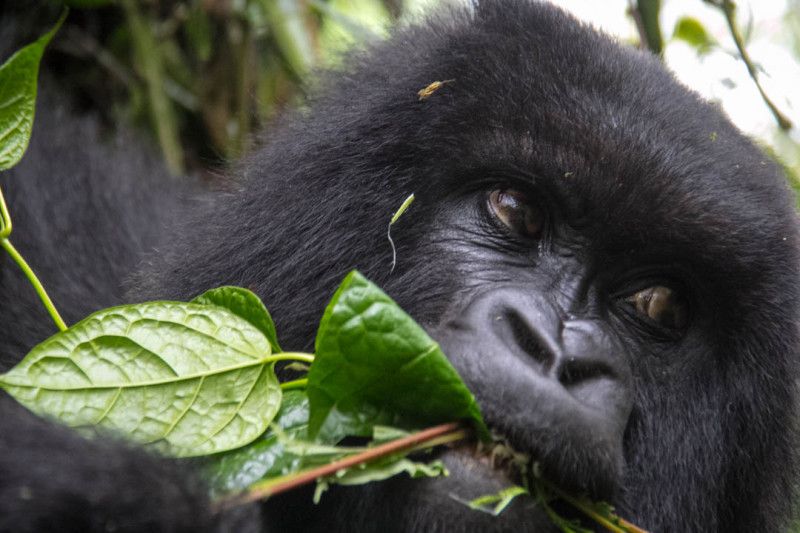
Mountain gorillas are native to the forests of Central and East Africa and are critically endangered. Unlike more common wildlife sightings, gorilla trekking offers an intimate experience—spending up to one hour observing gorilla families as they interact, eat, play, and move through the forest.
Several factors make gorilla trekking unique:
- Rarity – Mountain gorillas are only found in a few national parks in Africa, making every encounter precious.
- Conservation Impact – Trekking permits directly fund conservation efforts, anti-poaching initiatives, and local communities.
- Adventure & Challenge – Trekking through dense rainforest, up steep hills, and along winding trails offers a physical adventure for travelers seeking more than typical wildlife viewing.
- Emotional Connection – Observing these intelligent, social primates in their natural habitat can be a profoundly moving experience.
Where to See Gorillas in Africa
Mountain gorillas are found in three countries in East and Central Africa: Uganda, Rwanda, and the Democratic Republic of Congo (DRC). While each country offers unique experiences, Uganda and Rwanda are the most accessible and visitor-friendly.
1. Uganda – The Pearl of Africa
Uganda is home to about half of the world’s remaining mountain gorillas, making it a top destination for gorilla trekking. The country has invested heavily in conservation and infrastructure, ensuring an unforgettable and safe trekking experience.
Bwindi Impenetrable Forest National Park
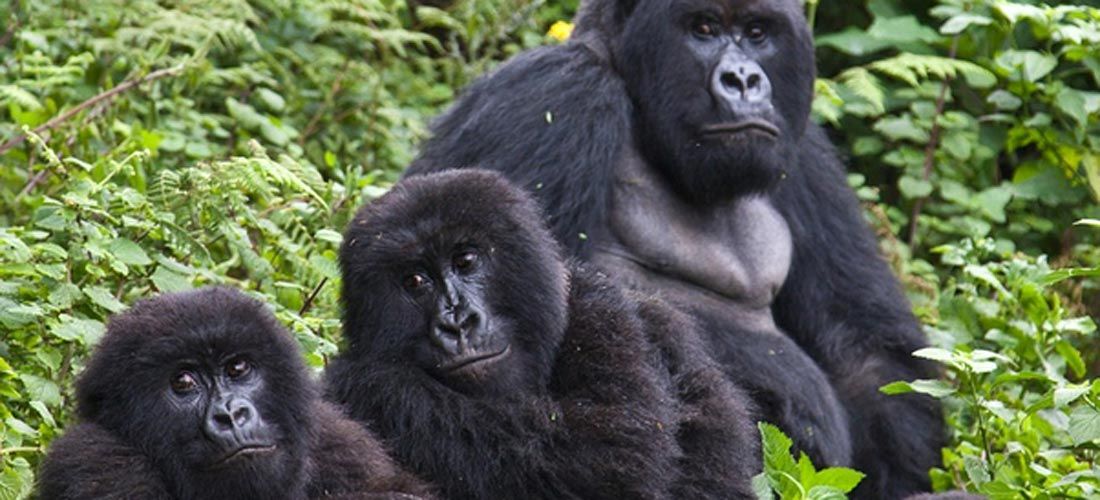
- Overview: Bwindi is a UNESCO World Heritage Site, covering over 320 square kilometers of dense rainforest in southwestern Uganda. It is home to more than 400 mountain gorillas, spread across several habituated families.
- Trekking Experience: Trails in Bwindi can be steep and muddy, but the lush forest scenery, waterfalls, and biodiversity make the trek rewarding.
- Best Time to Visit: Dry months (June–September and December–February) offer easier trekking conditions, while the low season (March–May, October–November) provides discounted permits and fewer crowds.
- Highlights: Close encounters with gorillas, birdwatching, and vibrant forest ecosystems.
Mgahinga Gorilla National Park
- Overview: Located in the southwestern tip of Uganda along the Virunga volcanic mountains, Mgahinga is smaller than Bwindi but equally rich in wildlife.
- Trekking Experience: The park offers a more intimate trekking experience with fewer tourists, ideal for travelers seeking solitude.
- Highlights: Golden monkeys, scenic volcanic landscapes, and cultural experiences with local Batwa communities.
2. Rwanda – The Land of a Thousand Hills
Rwanda is famous for its conservation success story and high-quality tourism infrastructure. Its gorilla trekking parks are well-organized, offering reliable and accessible trekking experiences.
Volcanoes National Park
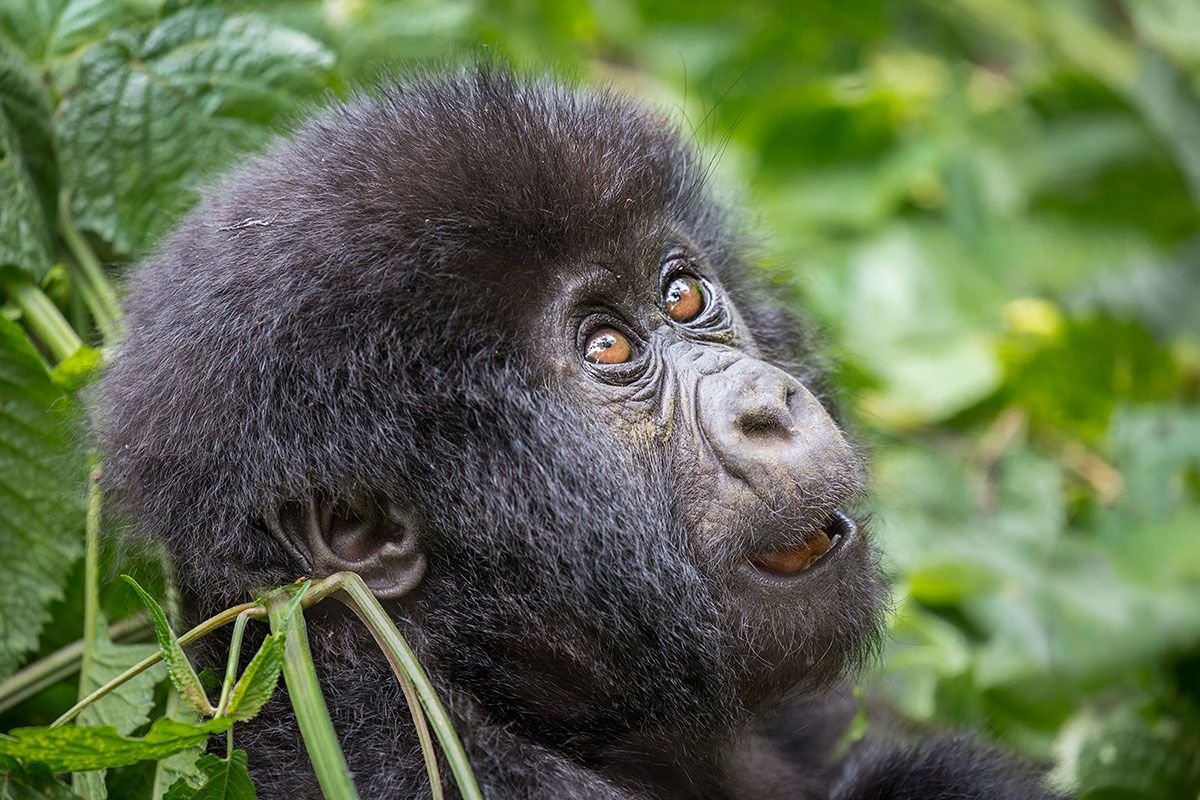
- Overview: Volcanoes National Park in northern Rwanda is part of the Virunga Mountains and is home to approximately one-third of the world’s mountain gorillas.
- Trekking Experience: The park offers moderately challenging treks through misty volcanic slopes and bamboo forests.
- Best Time to Visit: Rwanda’s dry seasons (June–September and December–February) are optimal, though low season permits may offer discounts.
- Highlights: Golden monkeys, scenic mountain views, and visits to the grave of famed primatologist Dian Fossey.
Rwanda’s compact size makes it easy to combine gorilla trekking with cultural experiences in Kigali or nature visits to Lake Kivu.
3. Democratic Republic of Congo (DRC) – Virunga National Park
Virunga National Park in eastern DRC is one of Africa’s oldest national parks and home to gorillas in an unspoiled natural setting.
- Overview: Virunga is less visited due to political instability and limited tourism infrastructure.
- Trekking Experience: Treks are challenging and require a high level of fitness, but the rewards include pristine scenery and rare wildlife encounters.
- Highlights: Rugged volcanic landscapes, diverse wildlife, and more secluded gorilla trekking experiences.
While DRC offers adventure and exclusivity, Uganda and Rwanda are safer and easier for most travelers.
Why Purchase Gorilla Permits Through a Licensed Tour Operator
Gorilla trekking is regulated, and permits are limited to protect the gorillas and their habitats. Purchasing your permits and arranging your trek through a licensed tour operator like Haven Expeditions provides several benefits:
1. Guarantee Your Permit
Mountain gorilla permits are in high demand and can sell out months in advance, especially during peak season. Licensed operators have access to official permits, ensuring your trek is confirmed.
2. Expert Guidance
Operators like Haven Expeditions provide experienced guides who:
- Lead you safely through forest trails
- Interpret gorilla behavior
- Ensure you follow park rules for responsible tourism
3. Seamless Logistics
A professional operator handles:
- Transportation to and from national parks
- Accommodation bookings in lodges or camps
- Meals and safari itineraries
- Trekking equipment and park briefing
This allows travelers to focus on the experience without worrying about logistics.
4. Ethical & Responsible Tourism
Licensed operators adhere to strict rules that prioritize conservation and community support:
- Supporting local communities through tourism revenue
- Ensuring minimal environmental impact
- Contributing to anti-poaching and gorilla habituation efforts
By booking with a licensed operator, you know your visit supports the long-term survival of mountain gorillas.
Planning Your Gorilla Trekking Adventure
1. Book Early
- Permits are limited; peak season can sell out 6–12 months in advance.
- Low season permits may offer discounts but still require early booking for the best gorilla families.
2. Choose Your Destination
- Uganda: Bwindi or Mgahinga for lush forest trekking and diverse experiences
- Rwanda: Volcanoes National Park for organized, accessible treks
- DRC: Virunga for adventurous, off-the-beaten-path treks
3. Prepare Physically
- Gorilla trekking requires moderate fitness; trails can be steep, muddy, and slippery.
- Training with hill walks and light hiking helps prepare for the trek.
4. Pack Smart
- Waterproof hiking boots
- Rain gear (poncho/jacket)
- Long-sleeved shirts and pants
- Gloves for vegetation handling
- Walking stick (often provided by park staff)
- Insect repellent
5. Understand Park Rules
- Maintain a 7-meter distance from gorillas
- Avoid direct eye contact
- Limit photography without flash
- Do not visit if ill, as gorillas are susceptible to human diseases
Combining Gorilla Trekking with Other African Adventures
While gorilla trekking is the highlight, Uganda and Rwanda offer complementary safari experiences:
Uganda
- Queen Elizabeth National Park: Big Five safaris, boat cruises on the Kazinga Channel
- Murchison Falls National Park: Waterfalls, Nile River cruises, game drives
- Lake Bunyonyi & Jinja: Canoeing, hiking, cultural interactions
Rwanda
- Nyungwe Forest: Chimpanzee trekking, canopy walks, and birdwatching
- Akagera National Park: Savanna safaris and Big Five wildlife viewing
- Lake Kivu: Lakeside relaxation, boating, and island visits
Combining gorilla trekking with these experiences creates a diverse and unforgettable East African adventure.
Benefits of Trekking During Different Seasons
- High Season (June–September, December–February): Dry trails, easier trekking, but permits are more expensive and parks busier.
- Low Season (March–May, October–November): Discounts on permits, fewer crowds, lush green scenery; trekking is more physically demanding due to rain.
Conservation and Community Impact
Gorilla trekking is not just tourism—it is a crucial conservation tool. Revenues from permits fund:
- Anti-poaching patrols
- Gorilla habituation programs
- Local community development projects
- Environmental education and awareness
Visiting responsibly ensures that gorilla populations continue to thrive for generations to come.
Why Haven Expeditions Is Your Ideal Partner
When planning a gorilla trekking safari, working with a trusted operator is essential. Haven Expeditions provides:
- Licensed and verified permits in Uganda and Rwanda
- Expert guides with in-depth knowledge of gorilla behavior
- Customized safari itineraries tailored to your interests and fitness
- Local accommodation options ranging from luxury lodges to budget-friendly camps
- Full logistical support, including transport, meals, and park briefings
With Haven Expeditions, you not only enjoy a seamless trekking experience but also contribute to responsible tourism and local community development.
Lastly, Gorilla trekking is one of the most rewarding wildlife experiences in Africa. Whether in Uganda’s Bwindi Impenetrable Forest, Mgahinga, or Rwanda’s Volcanoes National Park, observing gorillas in the wild leaves a lasting impression on every traveler.
Purchasing your permits and arranging your trek through a licensed operator like Haven Expeditions guarantees safety, convenience, and ethical tourism practices. With careful planning, the right guidance, and a spirit of adventure, your gorilla trekking journey can become a once-in-a-lifetime memory.
By choosing licensed operators, respecting park rules, and embracing responsible tourism, you help preserve these incredible creatures for future generations, while enjoying one of Africa’s most extraordinary wildlife encounters. Book With Us!


