
By Haven Expeditions
Uganda, famously known as the “Pearl of Africa,” is one of the most diverse safari destinations in Africa. From mountain gorilla trekking in Bwindi Impenetrable Forest to wildlife safaris in Murchison Falls National Park and chimpanzee tracking in Kibale Forest, Uganda offers remarkable travel experiences throughout the year. However, like most tropical countries, Uganda experiences distinct tourism seasons influenced mainly by rainfall patterns and climate.
Understanding the tourism seasons in Uganda is essential for planning the perfect safari. The time of year you choose to travel can affect wildlife viewing, trekking conditions, accommodation prices, and the overall safari experience.
In this comprehensive guide by Haven Expeditions, we explore Uganda’s tourism seasons in detail, including the dry season, wet season, peak travel periods, and the best months for different activities. Whether you are planning a gorilla trekking adventure, birdwatching tour, or wildlife safari, this guide will help you choose the best time to visit Uganda.
Uganda lies along the equator and enjoys a tropical climate with relatively stable temperatures throughout the year. The average daytime temperatures range between 21°C and 30°C, making the country comfortable for travel at any time of the year.
Unlike temperate countries with four seasons, Uganda mainly experiences two dry seasons and two wet seasons. These seasonal patterns largely determine tourism flows and safari experiences across the country.
Uganda’s tourism seasons can generally be categorized into:
Dry Season (Peak Tourism Season)
Green Season / Wet Season (Low Tourism Season)
Shoulder Seasons (Transitional months)
The climate is influenced by Uganda’s altitude, proximity to the equator, and the presence of large water bodies like Lake Victoria. Rainfall patterns differ slightly across regions, but overall the seasons follow a predictable pattern.
Long Dry Season: June – August
Short Dry Season: December – February
Long Rainy Season: March – May
Short Rainy Season: September – November
The dry months of June–August and December–February are considered the best time for safaris, especially for wildlife viewing and primate trekking.
The dry season is widely considered the best time to visit Uganda. During these months, rainfall is minimal, skies are clear, and conditions are ideal for safari activities.
This period also corresponds to the high tourism season, when Uganda receives the highest number of international visitors.
During the dry season, Uganda experiences:
Sunny days with minimal rainfall
Cooler mornings and evenings
Dry and accessible safari roads
Clear skies for photography
Dry conditions also reduce vegetation density in savannah parks, making wildlife easier to spot.
Animals tend to gather around water sources such as rivers and watering holes during dry months, making them easier to spot during game drives.
This improves wildlife viewing in parks such as:
Murchison Falls National Park
Queen Elizabeth National Park
Kidepo Valley National Park
Lake Mburo National Park
Visitors often see large herds of elephants, buffaloes, antelopes, giraffes, and predators like lions and leopards.
Uganda is home to more than half of the world’s remaining mountain gorillas. Trekking to see these magnificent primates is the highlight of most safaris.
During the dry season:
Forest trails are less muddy
Trekking is easier and safer
Visibility in forests is better
This makes gorilla trekking in Bwindi Impenetrable National Park and Mgahinga Gorilla National Park much more comfortable.
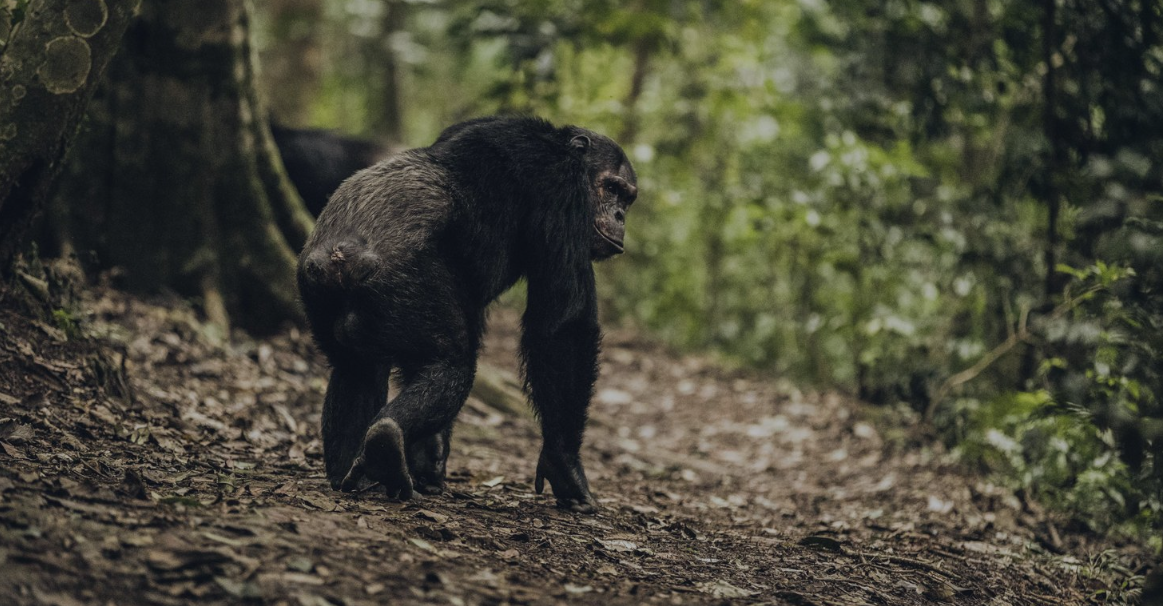
Chimpanzee tracking in Kibale Forest National Park is also easier in the dry season because trails are more accessible.
Visitors are more likely to encounter active chimpanzees moving through the forest canopy.
Clear skies and bright sunlight provide perfect conditions for:
Wildlife photography
Landscape photography
Sunrise and sunset shots
Although the dry season offers the best safari conditions, there are a few downsides:
Gorilla permits sell out quickly
Safari lodges charge peak-season rates
National parks receive more visitors
Travelers planning safaris during this period should book permits and accommodation several months in advance.
The wet season in Uganda is sometimes referred to as the “green season.” During this time, rainfall transforms the landscapes into lush green ecosystems filled with vibrant vegetation.
While some travelers avoid the rainy months, the wet season offers several unique advantages.
During the rainy season, Uganda experiences:
Frequent showers, usually in the afternoon
Lush vegetation and green landscapes
Cooler temperatures in some areas
Increased river and waterfall flows
Rainfall is usually short and intense, followed by sunshine.
The rainy season is considered the low tourism season, meaning national parks are less crowded.
Travelers who prefer privacy and quiet safari experiences often choose this period.
Many safari lodges and tour operators offer discounted rates during the wet season.
This makes Uganda safaris more affordable for budget travelers.
Rainfall transforms Uganda’s landscapes into lush green scenery, perfect for:
Nature photography
Scenic drives
Forest walks
The countryside becomes incredibly vibrant during these months.
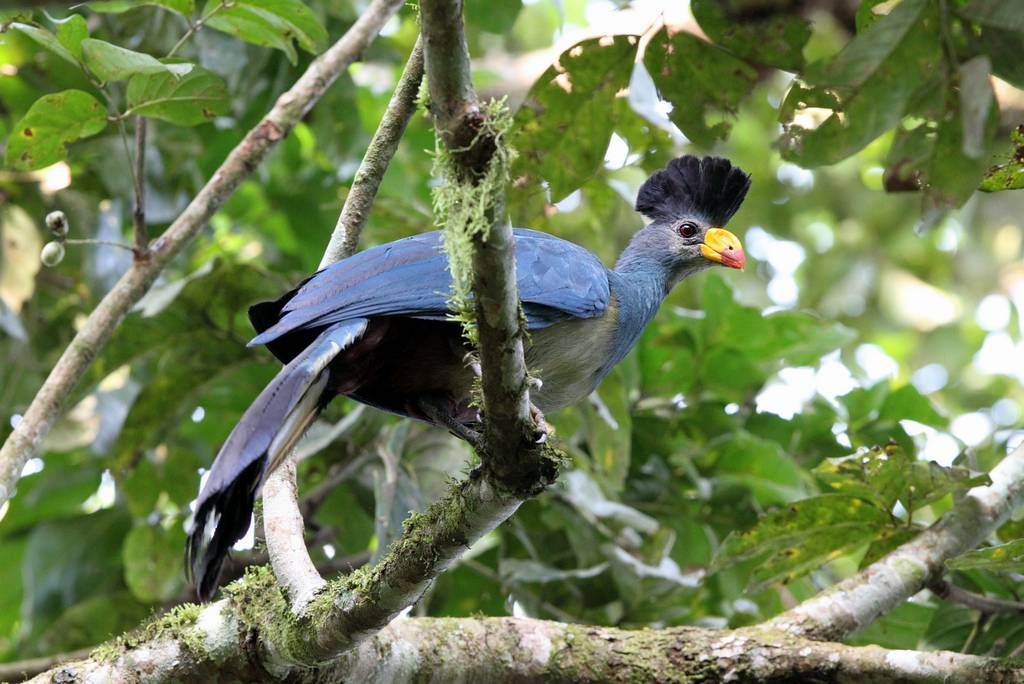
Uganda is one of the top birdwatching destinations in Africa, with more than 1,000 bird species.
The wet season coincides with the arrival of migratory birds, making it an excellent time for birding safaris.
While trekking can be muddy, the wet season provides:
Dramatic forest scenery
Fewer trekking groups
Unique wildlife encounters
Traveling during the wet season also comes with some challenges:
Forest trails can be slippery
Dirt roads in national parks may become muddy
Wildlife is sometimes harder to spot due to thick vegetation
Despite these challenges, many experienced safari travelers enjoy visiting Uganda during the green season.
Between the dry and wet seasons, Uganda experiences transitional months known as shoulder seasons.
These months include:
March
September
Early December
During shoulder seasons, travelers may experience a mix of sunny days and occasional rainfall.
These months offer a balance between:
Reasonable safari prices
Moderate tourist numbers
Good wildlife viewing opportunities
Many safari experts consider September and February to be some of the best months to visit Uganda.
Uganda offers a wide range of safari activities, and the best time to visit often depends on what you want to experience.
Best months:
June – August
December – February
Dry conditions make trekking easier and safer.
Best months:
June – September
January – February
However, chimpanzees can be tracked year-round.
Best months:
June – August
December – February
Animals gather near water sources, making them easier to locate.
Best months:
November – April
Migratory birds arrive during these months.
Best months:
June – August
December – February
Dry trails make hiking more comfortable.
Dry season
Excellent wildlife viewing
Best time for gorilla trekking
Beginning of rainy season
Fewer tourists
Heavy rains
Low tourism season
Great photography landscapes
Peak tourism season
Best safari conditions
Ideal for wildlife viewing
Transition month
Good travel deals
Short rainy season
Green landscapes and birdwatching
Start of dry season
Popular for holiday travel
One of the greatest advantages of visiting Uganda is that it can be explored throughout the year. Temperatures remain relatively stable due to its equatorial location, making tourism possible in every season.
Even during rainy months, showers rarely last the entire day. Travelers often experience sunshine between rainfall periods.
This means activities like:
Gorilla trekking
Game drives
Boat cruises
Cultural tours
can still take place in most seasons.
Permits are limited and sell out quickly during peak seasons.
Bring rain jackets, hiking boots, and light clothing.
You may enjoy good weather with fewer tourists.
Different safari activities have different optimal months.
A professional safari company ensures smooth logistics regardless of the season.
At Haven Expeditions, we specialize in creating unforgettable safari experiences across Uganda and East Africa.
Whether you want to travel during the peak dry season for excellent wildlife viewing or the green season for beautiful landscapes and discounted safaris, our team can design the perfect itinerary for you.
Our safari packages include:
Gorilla trekking adventures
Wildlife safaris
Birdwatching tours
Cultural experiences
Luxury and budget safaris
With expert guides and personalized services, Haven Expeditions ensures every traveler experiences the best of Uganda.
Understanding the tourism seasons in Uganda is essential for planning the perfect safari. While the dry seasons offer ideal conditions for wildlife viewing and trekking, the rainy seasons provide lush scenery, fewer crowds, and affordable travel opportunities.
Ultimately, the best time to visit Uganda depends on your travel preferences, budget, and the activities you want to experience.
No matter when you choose to visit, Uganda’s incredible biodiversity, welcoming people, and breathtaking landscapes guarantee a safari experience unlike any other.
Let Haven Expeditions help you plan your unforgettable journey to the Pearl of Africa.


