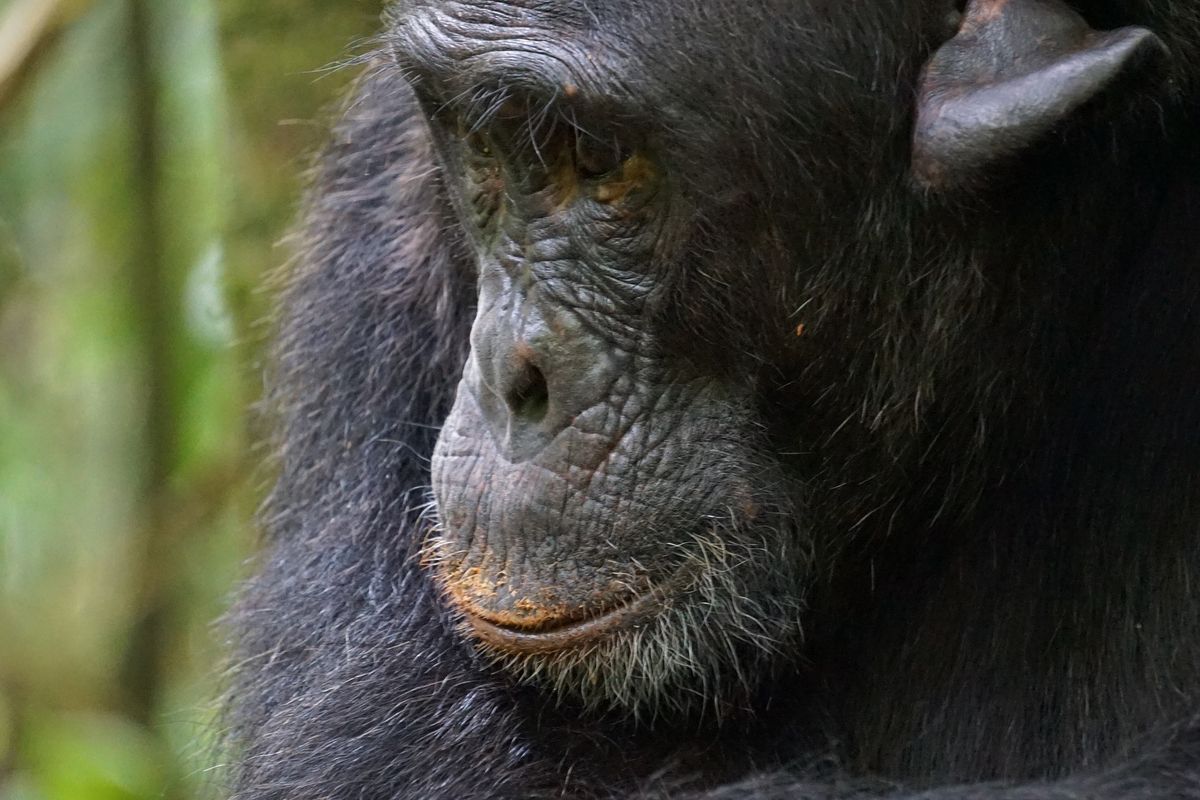
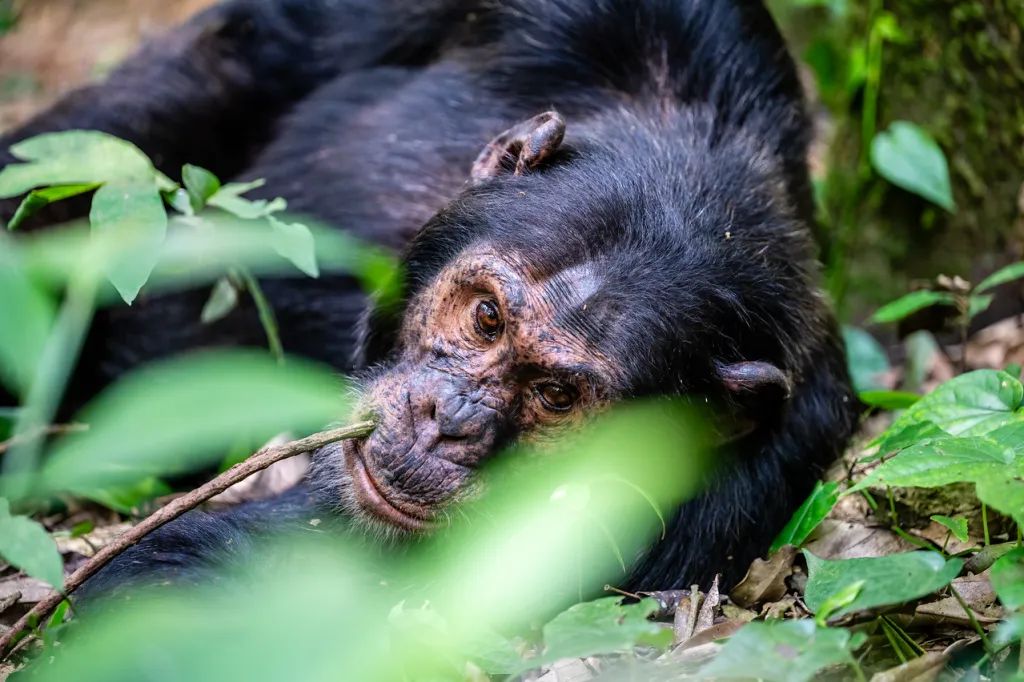
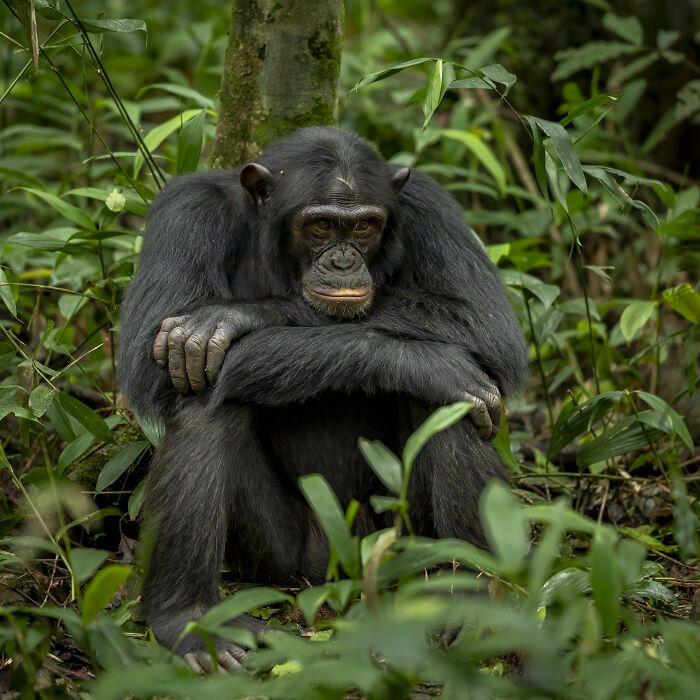
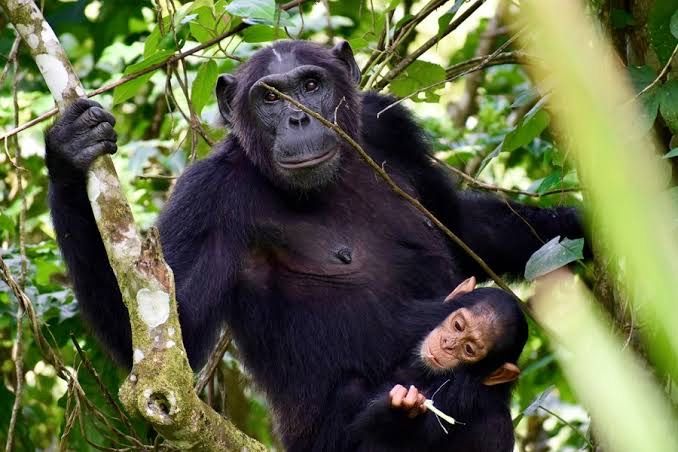
Track habituated chimpanzees and discover a world of primates in Uganda and Rwanda. From the primate-rich canopies of Kibale and Budongo to the dramatic Kyambura Gorge, Kalinzu and Rwanda’s Nyungwe, enjoy close encounters, expert guides, and unforgettable forest walks.
Permit fees vary by park and by visitor category (foreign non-resident, resident, East African citizen). Fees below are typical market/ official rates verify at booking time.
| Location | Typical Permit Price (Foreign non-resident) | Notes |
|---|---|---|
| Kibale Forest (Uganda) | US$250 | Popular – booking ahead recommended; permits sold per trek. |
| Budongo Forest (near Murchison Falls, Uganda) | US$130–US$220 | Rates vary by habituation activity & season. |
| Kyambura Gorge (Queen Elizabeth NP, Uganda) And Kalinzu | US$100– US$130 | Shorter gorge treks, usually less strenuous |
| Nyungwe Forest (Rwanda) | US$90–US$150 | Rwanda’s fees vary; confirm category (non-resident, resident, etc.). |
Chimpanzee permits help fund conservation and local communities. We recommend booking permits through licensed operators (we can assist), they handle permit reservation, park fees, local transfers and guide assignments. Also check age limits and health requirements, some parks require minimum age and health screening.
Treks vary, from 1 hour (when chimps are close) to several hours following their movements. Guides brief you beforehand.
Most sites set a minimum age of 12–15 years depending on park rules, check at booking.
Yes, photography is allowed but no flash. Keep distance and follow ranger instructions to avoid disturbing animals.
In some parks, rangers are armed for anti-poaching and safety; trackers and guides prioritize visitor safety and animal welfare.
Moderate fitness recommended. Terrain can be steep, muddy or wet, choose the route and season accordingly.
Yes, many itineraries combine chimps with gorillas, game drives, birding, or cultural visits for a richer experience.
Habituation varies. Rangers aim to bring you close but safety and minimal disturbance are priorities, expect observation from a respectful distance.
Standard travel health recommendations apply. Yellow fever may be required for some entries, check with your clinician and national health guidance.
Guides and trackers monitor chimp movements daily; missed sightings are rare but operators may offer alternatives or rescheduling where possible.
Use a fast lens for low light conditions, bring spare batteries and memory cards. A telephoto lens helps for distant canopy shots.
Tipping for guides and trackers is appreciated and commonly practiced, amounts vary by group size and service level.
Some parks offer guided night walks for other wildlife but chimp tracking is normally daytime; check local operator options.
Book permits and lodges early in high season (June-Sep, Dec-Feb) to secure preferred dates and groups.
Yes — travel insurance covering medical evacuation and activity-related incidents is strongly recommended.
Operators usually allow date changes (subject to permit availability and cancellation policies), contact your operator as soon as possible.

Ready to explore the wild beauty of Africa? Tell us your travel interests below and our safari experts will respond to provided email within 2 minutes & absolutely free.